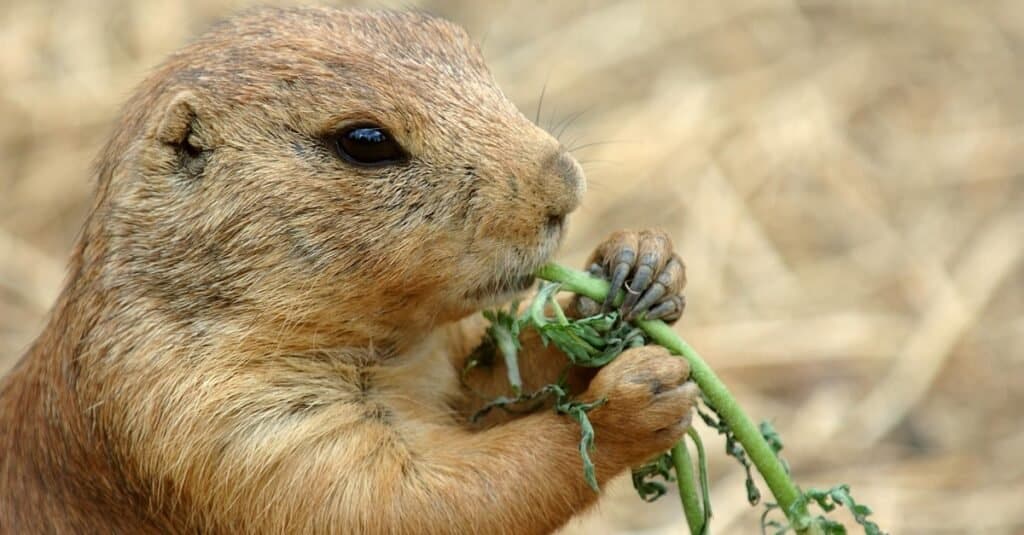
Prairie Dog Food: The Diet of These Social Herbivores

rec-dev.com – Prairie dogs, named for their distinctive bark-like call, are small burrowing rodents found in the grasslands of North America. As highly social animals, they live in colonies and spend much of their time foraging for food to sustain their active lifestyles. Prairie dogs play a crucial role in their ecosystems, helping to shape the landscape by grazing on vegetation, which in turn influences plant biodiversity. Understanding the diet of prairie dogs is key to understanding their role in their environment and their survival. This article provides an in-depth look into what prairie dogs eat, how their feeding habits change with the seasons, and what foods are suitable for them in captivity.

1. Prairie Dog Diet Overview: Primarily Herbivorous

Prairie dogs are primarily herbivores, meaning they feed on a plant-based diet consisting mostly of grasses, herbs, and occasionally roots. However, like many other rodents, they can be opportunistic feeders, occasionally consuming insects or other small animals when plant food is scarce. Their diet is finely tuned to their prairie habitat, where they have access to a variety of grasses and plants.

Key Components of a Prairie Dog’s Diet:

  • Grasses: The primary and most important part of their diet.
  • Herbs and flowers: Provide additional nutrients and variety.
  • Seeds and grains: Consumed for energy, especially before hibernation.
  • Roots and bulbs: Eaten when other food is scarce.
  • Insects: Occasionally eaten for extra protein.

While prairie dogs are herbivores by nature, they can adapt their diet to the resources available in their environment.

2. Grasses: The Staple of Prairie Dog Nutrition

Grasses are the most important and abundant food source for prairie dogs, making up the bulk of their diet. These grasses provide essential fiber, carbohydrates, and nutrients that prairie dogs need to maintain their health and energy levels. Because prairie dogs are grazing animals, they spend a significant portion of their day feeding on the grass around their burrows.

Common Grasses Eaten by Prairie Dogs:

  • Buffalo grass: A common grass in prairie habitats that prairie dogs feed on.
  • Blue grama grass: Another key grass species that prairie dogs graze on.
  • Western wheatgrass: An important food source for prairie dogs in the wild.
  • Fescue and other meadow grasses: Prairie dogs also eat a variety of grasses found in their grassland environments.

These grasses are rich in fiber and are easily digestible for prairie dogs, providing them with the necessary energy to sustain their busy lives.

3. Herbs and Flowers: A Nutrient-Rich Addition

In addition to grasses, prairie dogs also feed on a variety of herbs and flowers. These plants add diversity to their diet and provide essential vitamins and minerals. The availability of herbs and flowers varies with the season, but prairie dogs take full advantage of these plants when they are in bloom.

Common Herbs and Flowers Eaten by Prairie Dogs:

  • Dandelions: Prairie dogs enjoy both the leaves and flowers of dandelions, which are rich in vitamins.
  • Clover: Clover is another favored plant that provides additional nutrients.
  • Yarrow: Found in grasslands, yarrow adds variety to a prairie dog’s diet.
  • Sunflowers: Prairie dogs may eat the seeds and leaves of sunflower plants.

These herbs and flowers not only enhance the prairie dog’s diet but also contribute to their health by providing essential nutrients.

4. Seeds and Grains: Energy-Dense Foods

Seeds and grains are another important part of a prairie dog’s diet, especially as they prepare for hibernation or periods of inactivity. These foods provide concentrated energy and are rich in fats and carbohydrates, which help prairie dogs build up fat reserves for the winter months.

Common Seeds and Grains Eaten by Prairie Dogs:

  • Sunflower seeds: Prairie dogs may forage for sunflower seeds when available.
  • Wheat seeds: Found in grasslands, these provide energy for prairie dogs.
  • Other wild seeds: Prairie dogs eat a variety of seeds found in their environment.

While seeds and grains are not the primary food source, they are valuable during certain times of the year when prairie dogs need extra energy.

5. Roots and Bulbs: Survival Foods in Harsh Conditions

During times of food scarcity, such as in winter or periods of drought, prairie dogs may dig for roots and bulbs to supplement their diet. These foods provide essential nutrients and can help prairie dogs survive when grasses and other vegetation are not readily available.

Common Roots and Bulbs Eaten by Prairie Dogs:

  • Prairie turnip: A starchy tuber that prairie dogs may dig up during the winter months.
  • Grass roots: Prairie dogs will eat the roots of grasses when above-ground vegetation is scarce.
  • Bulbs of flowering plants: Occasionally, prairie dogs will consume the underground bulbs of plants they typically eat above ground.

These foods are more difficult to obtain but serve as a crucial food source when other options are limited.

6. Insects and Animal Matter: Occasional Protein

While prairie dogs are primarily herbivores, they are known to occasionally eat insects and small animals. This typically happens when plant food is scarce or when they need additional protein, such as during the breeding season.

Common Animal Foods for Prairie Dogs:

  • Grasshoppers and crickets: Insects that prairie dogs may consume for protein.
  • Beetles: Found in their natural habitat, prairie dogs will eat beetles if they encounter them.
  • Small animals: In rare cases, prairie dogs have been observed eating small rodents or birds.

Animal matter is not a significant part of their diet but can provide essential protein in times of need.

7. Hibernation and Seasonal Feeding Behavior

Prairie dogs are known for their complex social structure and communal living, but their feeding behavior is also influenced by the seasons. Although not true hibernators, prairie dogs enter a state of torpor during the colder months, significantly reducing their activity and food intake. However, before this period, they must consume enough food to store fat and energy to survive the winter.

Seasonal Feeding Patterns:

  • Spring and Summer: Prairie dogs focus on eating fresh grasses, herbs, and flowers when they are abundant.
  • Late Summer and Fall: As winter approaches, prairie dogs increase their intake of energy-rich seeds, grains, and roots to build up fat reserves.
  • Winter: Prairie dogs reduce their activity and food consumption, relying on their fat reserves and occasionally foraging for roots or bulbs when necessary.

Understanding these seasonal shifts in feeding behavior is important for both their survival in the wild and their care in captivity.

8. Prairie Dog Feeding in Captivity

If you are caring for prairie dogs in captivity, it’s essential to provide a diet that mimics their natural food sources as closely as possible. Fresh grasses, leafy greens, and a variety of vegetables should make up the bulk of their diet. Occasional treats of seeds, fruits, or flowers can be added for variety, but these should be limited to avoid overfeeding.

Recommended Foods for Captive Prairie Dogs:

  • Fresh grasses: Timothy hay, bluegrass, and other grasses are excellent options.
  • Leafy greens: Lettuce, kale, and dandelion greens should be included.
  • Vegetables: Carrots, sweet potatoes, and cucumbers are good additions.
  • Seeds and grains: Sunflower seeds and grains like wheat can be offered in small amounts.
  • Fruits: Small amounts of apples or berries can be given as occasional treats.

It’s important to provide fresh water at all times and avoid processed or sugary foods, as these can negatively impact the health of prairie dogs in captivity.

9. Conclusion

Prairie dogs are primarily herbivores, thriving on a diet of grasses, herbs, flowers, and seeds. Their feeding habits are closely tied to the seasons, with changes in food availability prompting them to adjust their diet throughout the year. In times of scarcity, prairie dogs may dig for roots or even consume small amounts of animal matter to meet their nutritional needs. Whether in the wild or captivity, a balanced, plant-based diet is essential for their health and well-being.

Understanding the dietary needs of prairie dogs not only helps in conserving their natural habitats but also ensures they receive proper care in captivity. By providing the right foods and mimicking their natural feeding behaviors, prairie dogs can lead healthy, active lives.
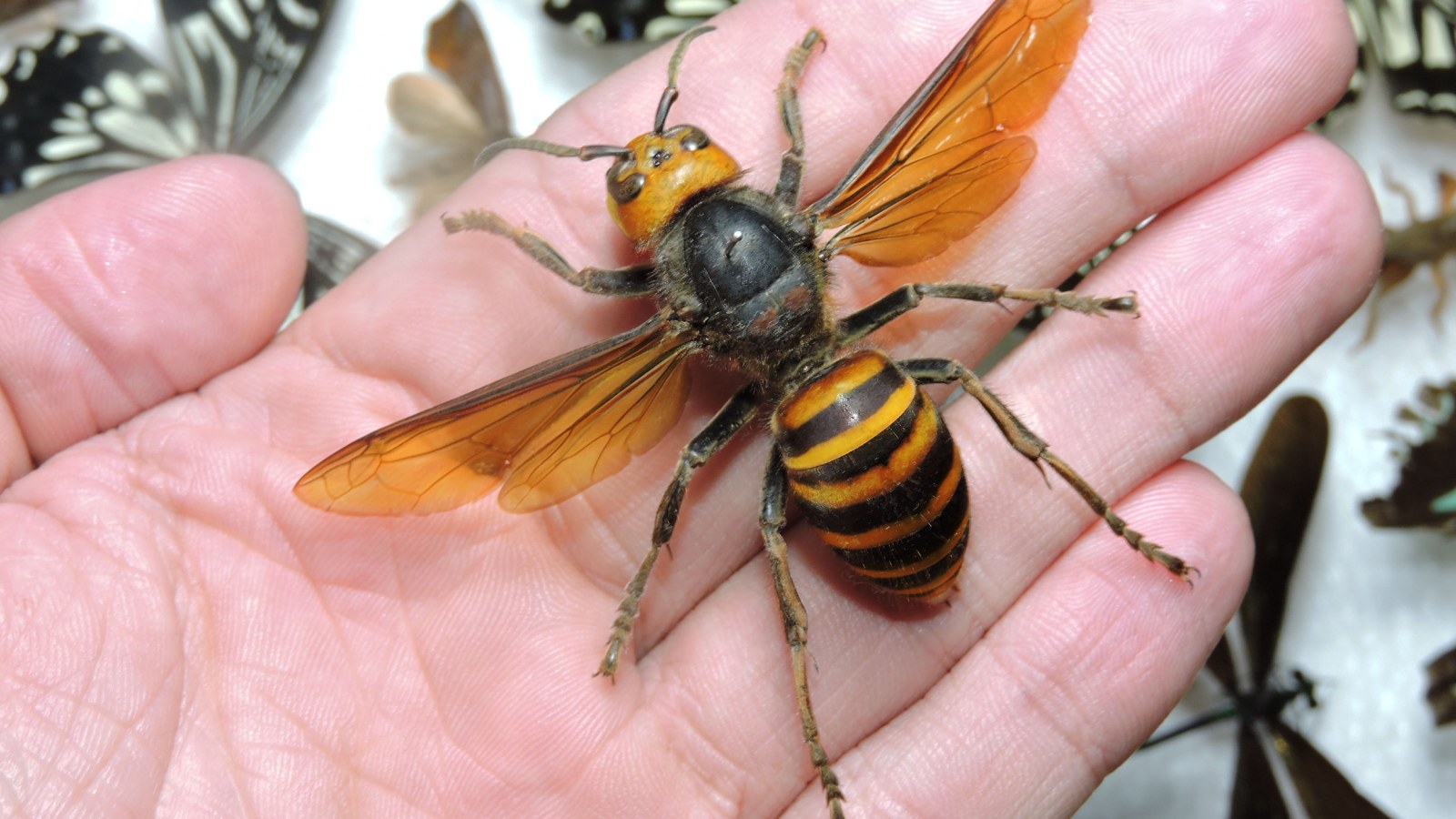

The Mighty Hornet: Impressive Size and Organization

rec-dev.com – Hornets, belonging to the genus Vespa, are among the largest and most formidable social wasps. Often feared for their size and potent sting, they are fascinating creatures with complex social structures and important ecological roles. This article delves into the world of hornets, exploring their biology, life cycle, social behavior, ecological significance, and interactions with humans.   

Physical Characteristics: Size and Distinctive Features

Hornets share characteristics with other wasps but possess some distinctive features:

  • Large Size: Hornets are generally larger than other common wasps, with some species reaching lengths of over 5 cm (2 inches).   
  • Robust Body: They have a robust body with a distinct “waist” (petiole) separating the thorax and abdomen.   
  • Coloration: Coloration varies depending on the species, but many hornets have black and yellow or black and white markings.   
  • Powerful Mandibles: They possess strong mandibles (jaws) used for capturing prey and building nests.   
  • Stinger: Like other female wasps, hornets have a stinger used for defense and paralyzing prey.   

Life Cycle: From Queen to Colony

Hornets, like other social wasps, have a complex life cycle:

  • Overwintering Queen: Only fertilized queens survive the winter, hibernating in sheltered locations.   
  • Nest Establishment: In the spring, the queen emerges and establishes a new nest, typically in a tree cavity, hollow log, or other protected location.   
  • Worker Production: The queen lays eggs and raises the first generation of workers.
  • Colony Growth: The workers take over nest building, foraging, and caring for the brood, allowing the queen to focus solely on egg-laying. The colony grows rapidly throughout the summer.   
  • Reproductive Production: In late summer and early autumn, the colony produces new queens and males (drones).   
  • Mating and Colony Decline: The new queens mate with the drones, and the old queen and workers die. The newly mated queens then seek overwintering sites, completing the cycle.   

Diversity and Classification: Notable Hornet Species

Some notable hornet species include:

  • European Hornet (Vespa crabro): The most common hornet in Europe and introduced to North America.
  • Asian Giant Hornet (Vespa mandarinia): The largest hornet species in the world, native to East Asia.   
  • Bald-faced Hornet (Dolichovespula maculata): Although called a hornet, this species belongs to a different genus and is more closely related to yellowjackets.   

Nest Building: Complex Paper Nests

Hornets build complex nests from chewed wood pulp, creating a paper-like material:   

  • Nest Structure: The nest consists of multiple layers of combs enclosed within a protective outer layer.   
  • Nest Location: Nests are typically built in sheltered locations, such as tree cavities, hollow logs, or attics.   

Feeding and Diet: Predatory Habits

Hornets are primarily predators, feeding on:

  • Insects: They prey on a variety of insects, including flies, bees, and other wasps.   
  • Other Arthropods: They may also consume spiders and other arthropods.   

Social Behavior: Complex Colony Structure

Hornets exhibit complex social behavior:

  • Division of Labor: The colony is divided into different castes, with the queen responsible for egg-laying, workers for nest building and foraging, and drones for mating.   
  • Communication: Hornets communicate using chemical signals (pheromones) and physical interactions.   
  • Defense: Hornets are fiercely protective of their nests and will readily defend them with their stings.   

Ecological Roles: Predators and Ecosystem Regulators

Hornets play important roles in ecosystems:

  • Pest Control: They help control populations of other insects, some of which may be considered pests.   
  • Food Source: They serve as a food source for some birds and mammals.

Hornets and Humans: Interactions and Potential Dangers

Hornets have various interactions with humans:

  • Stings: Hornet stings can be painful and, in some cases, can cause allergic reactions. Multiple stings can be dangerous, especially for individuals who are allergic.   
  • Nest Location: Hornet nests built near human dwellings can pose a risk.   

Management and Control: Caution and Professional Help

If a hornet nest is located near a home or poses a threat, it is best to seek professional help for removal. Attempting to remove a nest yourself can be dangerous.

Conclusion: Respecting the Hornet’s Power and Complexity

Hornets are impressive insects with complex social structures and important ecological roles. While their stings can be a concern, they are generally not aggressive unless their nest is threatened. By understanding their biology and behavior, we can better appreciate these fascinating creatures and take appropriate precautions when encountering them. Their role as predators makes them a significant part of the natural world.

Norway: A Nation Rich in Natural Resources & Social Welfare

rec-dev.com – Norway, a small yet prosperous country located in Northern Europe, is renowned for its abundant natural resources and comprehensive social welfare system. This article explores how these two factors have contributed to Norway’s economic success and high standard of living.

Abundant Natural Resources

Norway’s wealth is largely attributed to its rich natural resources, particularly its vast reserves of oil and natural gas in the North Sea. The discovery and exploitation of these resources in the 1970s marked a turning point in Norway’s economic history, transforming it into one of the world’s wealthiest nations. The country’s effective management of these resources has been a key factor in its economic stability and growth.

Diverse Resource Base

Beyond oil and gas, Norway is also endowed with other natural resources such as coal, magnesium, aluminum, iron, hydropower, fresh water, and fisheries. These resources contribute significantly to the country’s economy, making Norway one of the most resource-rich countries per capita in the world.

Comprehensive Social Welfare System

Norway’s social welfare system is one of the most extensive and well-funded in the world. The system is built on principles of equality, justice, solidarity, mutual aid, and human rights, ensuring that all citizens have access to essential services and support throughout their lives.

Key Components of the Welfare System

  • Healthcare: Norway’s healthcare system provides comprehensive coverage, including free hospital treatment and medication for all citizens.
  • Education: Education is free at all levels, from primary school to university, ensuring that every Norwegian has access to high-quality education.
  • Pensions and Unemployment Benefits: The welfare system includes generous pension plans and unemployment benefits, providing financial security for retirees and those out of work.
  • Family Support: Norway offers substantial support for families, including child allowances, parental leave, and childcare subsidies, which help alleviate the financial burden of raising children.

Economic and Social Impact

The combination of rich natural resources and a robust social welfare system has had a profound impact on Norway’s economy and society. The country’s high tax rates, which fund the extensive welfare programs, are accepted by the population due to the high quality of life and social security provided.

Economic Stability

Norway’s economic stability is further bolstered by the Government Pension Fund Global, often referred to as the “oil fund,” which invests the country’s oil revenues to ensure long-term financial security and economic resilience.

High Standard of Living

Norway consistently ranks among the top countries in the world for quality of life, education, healthcare, and overall well-being. This is a direct result of the country’s commitment to social welfare and its effective use of natural resources.

Conclusion

Norway’s success story is a testament to the power of effective resource management and a strong social welfare system. By leveraging its natural resources and investing in its people, Norway has created a model of economic prosperity and social harmony that is admired worldwide. As Norway continues to navigate the challenges of the future, its commitment to these principles will likely remain a cornerstone of its continued success.