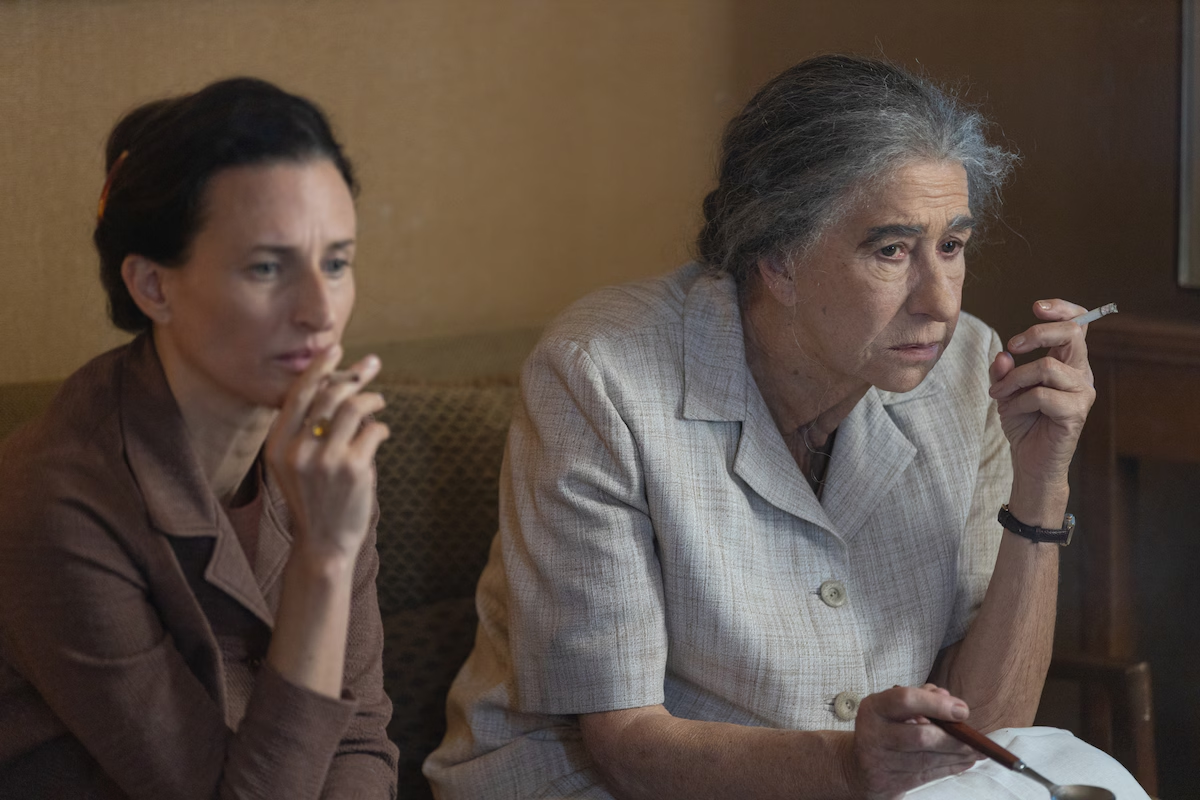
Golda: A Portrait of a Nation’s Leader – A Woman Under Pressure

rec-dev.com – Guy Nattiv’s 2023 biographical drama, “Golda,” delves into the life and leadership of Golda Meir, the fourth Prime Minister of Israel. The film focuses on a pivotal moment in her career: the Yom Kippur War of 1973. This intense period tested Meir’s resilience, political acumen, and moral compass.

A Stellar Performance

Helen Mirren delivers a powerful and transformative performance as Golda Meir. She captures the iconic leader’s strength, determination, and vulnerability. Mirren’s portrayal is both commanding and empathetic, showcasing the immense pressure and personal toll that Meir endured during the war.

A Nation in Crisis

The film delves into the political and military challenges faced by Israel during the Yom Kippur War. Meir’s leadership is put to the test as she navigates a complex geopolitical landscape, makes critical decisions, and rallies her nation. The film highlights the intense pressure she faced, including the scrutiny from both domestic and international audiences.

A Humanizing Portrait

Beyond the political figure, “Golda” offers a glimpse into Meir’s personal life. The film explores her relationships with her family, colleagues, and advisors. It also highlights her health struggles, which further complicated her leadership during the war.

A Timely Exploration of Leadership

“Golda” is a timely exploration of leadership, crisis management, and the human cost of war. The film raises questions about the ethical implications of political decisions and the importance of empathy and compassion in times of crisis.

Key Themes Explored in the Film:

  • The Weight of Leadership: The film highlights the immense pressure and responsibility faced by leaders, particularly during times of war.
  • The Human Cost of War: The film explores the devastating impact of war on individuals and nations.
  • The Role of Women in Leadership: The film celebrates the achievements of women in leadership roles and challenges gender stereotypes.
  • The Importance of Diplomacy and International Relations: The film underscores the complexities of international politics and the delicate balance of power.

Conclusion

“Golda” is a powerful and thought-provoking film that offers a fresh perspective on a pivotal moment in history. Helen Mirren’s exceptional performance brings Golda Meir to life, making her a complex and relatable figure. The film is a reminder of the sacrifices made by leaders and the enduring impact of their decisions.
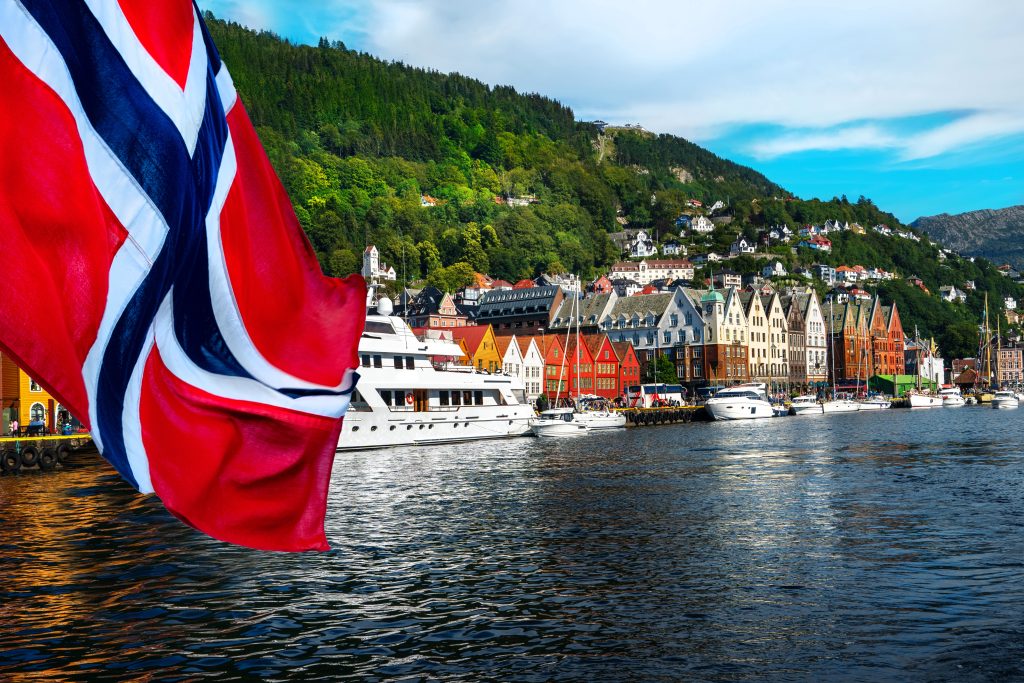
Norway: A Nation Rich in Natural Resources & Social Welfare

rec-dev.com – Norway, a small yet prosperous country located in Northern Europe, is renowned for its abundant natural resources and comprehensive social welfare system. This article explores how these two factors have contributed to Norway’s economic success and high standard of living.

Abundant Natural Resources

Norway’s wealth is largely attributed to its rich natural resources, particularly its vast reserves of oil and natural gas in the North Sea. The discovery and exploitation of these resources in the 1970s marked a turning point in Norway’s economic history, transforming it into one of the world’s wealthiest nations. The country’s effective management of these resources has been a key factor in its economic stability and growth.

Diverse Resource Base

Beyond oil and gas, Norway is also endowed with other natural resources such as coal, magnesium, aluminum, iron, hydropower, fresh water, and fisheries. These resources contribute significantly to the country’s economy, making Norway one of the most resource-rich countries per capita in the world.

Comprehensive Social Welfare System

Norway’s social welfare system is one of the most extensive and well-funded in the world. The system is built on principles of equality, justice, solidarity, mutual aid, and human rights, ensuring that all citizens have access to essential services and support throughout their lives.

Key Components of the Welfare System

  • Healthcare: Norway’s healthcare system provides comprehensive coverage, including free hospital treatment and medication for all citizens.
  • Education: Education is free at all levels, from primary school to university, ensuring that every Norwegian has access to high-quality education.
  • Pensions and Unemployment Benefits: The welfare system includes generous pension plans and unemployment benefits, providing financial security for retirees and those out of work.
  • Family Support: Norway offers substantial support for families, including child allowances, parental leave, and childcare subsidies, which help alleviate the financial burden of raising children.

Economic and Social Impact

The combination of rich natural resources and a robust social welfare system has had a profound impact on Norway’s economy and society. The country’s high tax rates, which fund the extensive welfare programs, are accepted by the population due to the high quality of life and social security provided.

Economic Stability

Norway’s economic stability is further bolstered by the Government Pension Fund Global, often referred to as the “oil fund,” which invests the country’s oil revenues to ensure long-term financial security and economic resilience.

High Standard of Living

Norway consistently ranks among the top countries in the world for quality of life, education, healthcare, and overall well-being. This is a direct result of the country’s commitment to social welfare and its effective use of natural resources.

Conclusion

Norway’s success story is a testament to the power of effective resource management and a strong social welfare system. By leveraging its natural resources and investing in its people, Norway has created a model of economic prosperity and social harmony that is admired worldwide. As Norway continues to navigate the challenges of the future, its commitment to these principles will likely remain a cornerstone of its continued success.

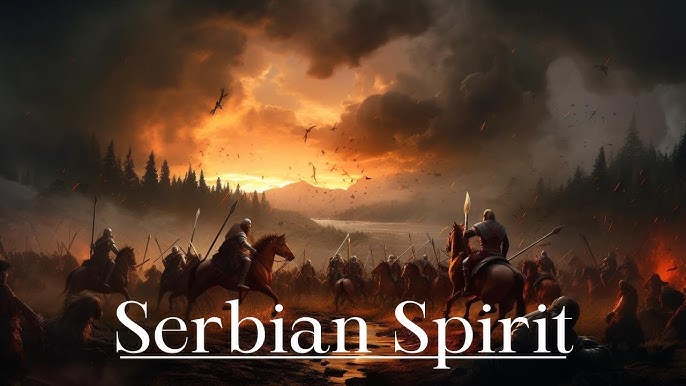
The Resilience & Spirit of Serbia: A Nation’s Soul

rec-dev.com – The essence of a nation is often encapsulated in its spirit, a collective identity that binds its people through time and trials. Serbia, a small Balkan nation, exemplifies this through its enduring national soul, which has been shaped by centuries of tribulation and resilience. This article explores the soul of Serbia, as depicted in various historical and literary works, highlighting the unique characteristics that define the Serbian spirit.

Historical Context and Cultural Identity

Serbia’s history is marked by periods of independence and foreign domination, which have significantly influenced its cultural and national identity. The nation’s soul, as described by Nicholai Velimirovic in his seminal work “The Soul of Serbia” (1916), is characterized by a deep sense of national pride and resilience. Velimirovic argues that Serbia’s soul is what has allowed it to endure through centuries of oppression and tribulation.

This perspective is further elaborated in “The Soul of Serbia: Lectures Delivered Before the University of Birmingham” (1920), which illustrates how Serbia, despite its small size, possesses a substantial national soul. The book emphasizes the importance of cultural and historical continuity in shaping the Serbian identity, noting that the nation’s spirit has been a crucial factor in its survival and development.

The Role of Spirit in National Endurance

The concept of a national soul is not merely a theoretical construct but a practical force that has guided Serbia through its darkest hours. The Serbian spirit, as described by these works, is characterized by a strong sense of unity and collective purpose, which has been instrumental in overcoming external threats and internal challenges.

This spirit is manifested in various aspects of Serbian life, from the arts and literature to politics and social movements. It is a testament to the enduring strength of the Serbian people, who have maintained their cultural identity and national pride despite the pressures of history.

Conclusion

The soul of Serbia is a complex and multifaceted concept that reflects the resilience and spirit of its people. Through centuries of tribulation, Serbia has maintained its cultural identity and national pride, thanks in large part to the enduring spirit of its people. This spirit is not just a historical artifact but a living force that continues to shape the nation’s future.

As Serbia continues to face new challenges, the lessons from its past remind us of the importance of national identity and collective resilience. The soul of Serbia serves as a powerful example of how a nation’s spirit can be a source of strength and inspiration in the face of adversity.

In conclusion, the soul of Serbia is not just a historical narrative but a living legacy that continues to define the nation’s character and identity. It is a testament to the enduring spirit of the Serbian people, who have shown that unity and resilience are the keys to overcoming any challenge.