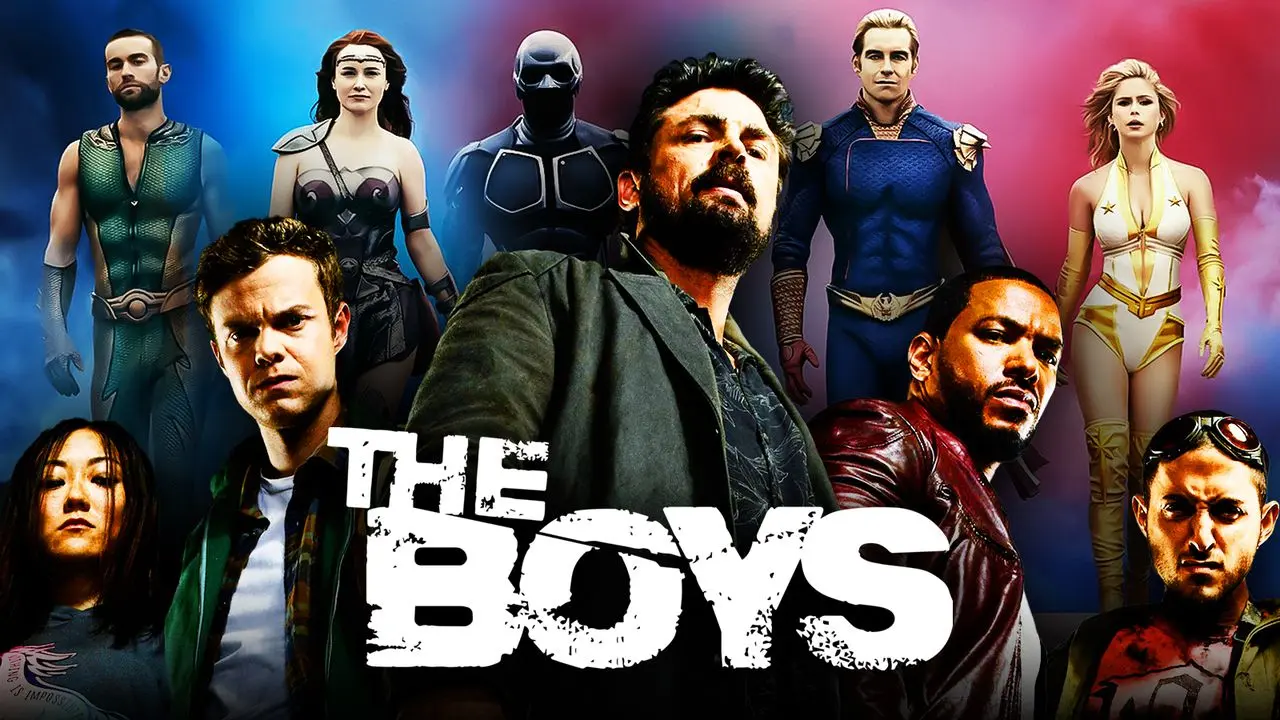
A Dark Satirical Take on the Superhero Genre: The Boys

rec-dev.com – The Boys is an American satirical superhero television series developed by Eric Kripke for Amazon Prime Video. Based on the comic book series of the same name by Garth Ennis and Darick Robertson, the show offers a gritty and irreverent take on the superhero genre. Set in a world where superpowered individuals, known as “Supes,” are marketed and idolized by the public, The Boys follows a group of vigilantes as they combat the corruption and abuse of power by these so-called heroes.

Premise

The series is set in a universe where superheroes are not only real but also commercialized and idolized. These superheroes, known as “Supes,” work for Vought International, a powerful corporation that markets and monetizes them. Outside their heroic personas, most Supes are corrupt, self-serving, and recklessly cause collateral damage. The series primarily focuses on two groups: The Boys, CIA-sponsored black ops agents looking to bring down Vought and its corrupt superheroes, and The Seven, Vought’s premier superhero team, who are The Boys’ most powerful adversaries.

Main Characters

The ensemble cast of The Boys includes:

  • Billy Butcher (Karl Urban): The ruthless leader of The Boys, driven by a personal vendetta against Supes.
  • Hughie Campbell (Jack Quaid): A regular guy seeking revenge for his girlfriend’s death at the hands of a Supe.
  • Homelander (Antony Starr): The main antagonist, a powerful and narcissistic superhero.
  • Starlight (Erin Moriarty): A new member of The Seven who struggles with the reality of heroism.
  • Queen Maeve (Dominique McElligott): A seductive and manipulative Supe with a dark past.
  • A-Train (Jessie T. Usher): A speedster with a reckless nature and a drug addiction.

Themes and Motifs

The Boys tackles several themes that resonate with contemporary societal issues:

  • Corruption and Power: The series critiques the way power corrupts individuals and organizations, showcasing how Vought International manipulates public perception for profit.
  • Heroism and Morality: The show challenges traditional notions of heroism, presenting characters who embody both good and evil traits, forcing viewers to question their understanding of what it means to be a hero.
  • Exploitation of Celebrity Culture: By portraying superheroes as commodities, The Boys comments on the superficiality of modern celebrity culture and the impact of media on public perception.

Critical Reception

The Boys has received critical acclaim for its dark humor, sharp writing, and strong performances. The series has been nominated for several awards, including eight Primetime Emmy Awards, and has won multiple Critics’ Choice Super Awards and Astra TV Awards. Critics have particularly praised Antony Starr’s portrayal of Homelander and the show’s ability to blend dark comedy with intense action and social commentary.

Cultural Impact

The Boys has not only entertained viewers but also sparked conversations about power, corruption, and morality in a world where superheroes are marketed like consumer products. The series has redefined the superhero genre in television, presenting a dark and gritty take on the world of heroes who are anything but virtuous.

Seasons and Future

The series has completed four seasons, with a fifth and final season expected to premiere in 2026. Each season has built upon the previous one, deepening the characters’ arcs and expanding the universe. The fourth season, in particular, has been praised for its political and pertinent narrative, aligning satirical elements closely with reality.

Conclusion

The Boys stands out as a groundbreaking series that challenges the conventions of the superhero genre. Through its darkly comedic lens, the show explores complex themes and offers a scathing critique of power and corruption. As the series continues to evolve, it remains a must-watch for fans of both superhero stories and satirical dramas.
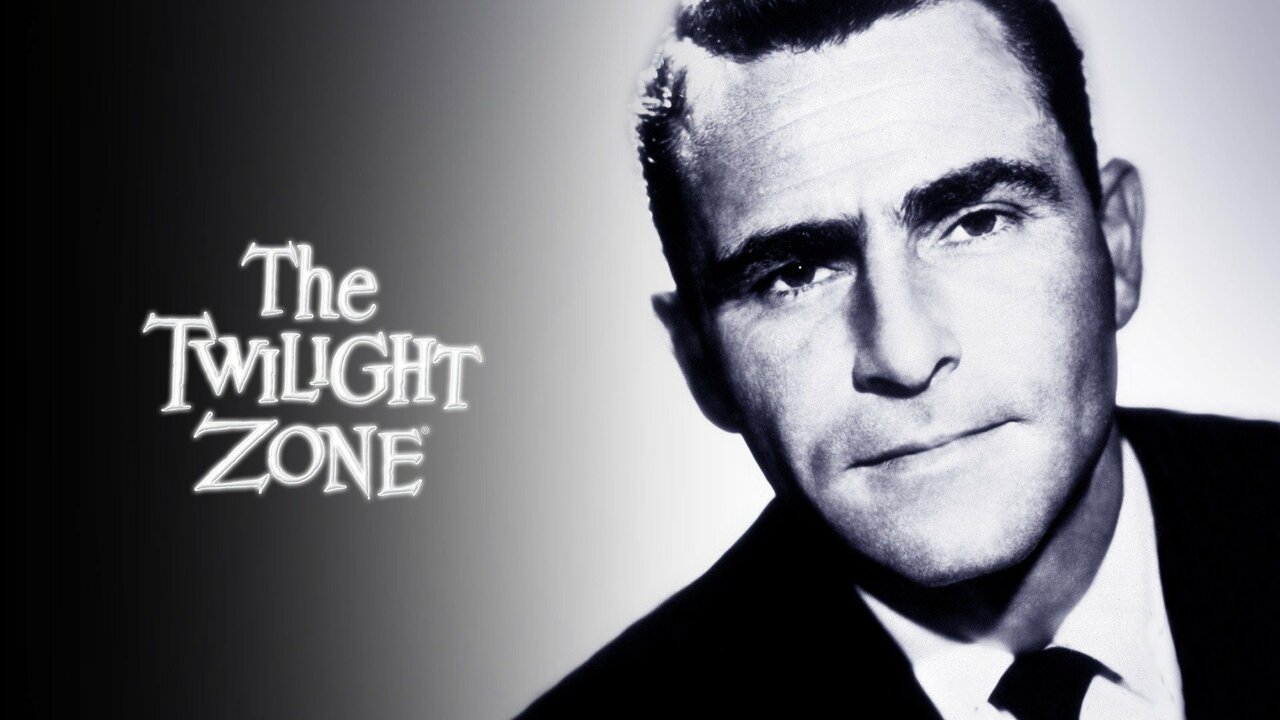

Exploring the Eerie Realms of “The Twilight Zone”

rec-dev.com – “The Twilight Zone” is a legendary television series that has captivated audiences for decades with its unique blend of science fiction, horror, and social commentary. Created by Rod Serling, the show first aired in 1959 and quickly became a cultural phenomenon, influencing countless writers, filmmakers, and television creators. Its enduring appeal lies in its ability to explore the human condition through the lens of the supernatural and the unexplainable.

The Genius of Rod Serling

At the heart of “The Twilight Zone” was Rod Serling, a visionary writer and producer who used the show as a platform to tackle complex themes such as racism, war, and the dangers of conformity. Serling’s skillful storytelling and his knack for crafting twist endings left a lasting impact on the world of television. His narration at the beginning and end of each episode, often accompanied by the iconic theme music, became synonymous with the show’s eerie atmosphere and thought-provoking content.

Iconic Episodes and Themes

“The Twilight Zone” is renowned for its standalone episodes, each with its own unique story and moral. Some of the most memorable episodes include “Time Enough at Last,” where a bank teller finds himself alone in a post-apocalyptic world with nothing but books to keep him company, only to break his glasses; and “The Monsters Are Due on Maple Street,” which explores the destructive nature of fear and paranoia among neighbors.

The series frequently delved into themes of isolation, the consequences of human actions, and the thin line between reality and illusion. It also played with concepts such as time travel, alternate realities, and the existence of extraterrestrial life, often leaving viewers questioning their own perceptions of the world.

Legacy and Influence

“The Twilight Zone” has left an indelible mark on popular culture, inspiring numerous adaptations, including movies, a radio series, and several revivals of the television show. The most recent revival, which premiered in 2019, pays homage to the original while introducing new stories for a modern audience.

The show’s influence extends beyond television, with its themes and storytelling techniques echoed in various forms of media. It has become a symbol of the power of speculative fiction to challenge societal norms and provoke thought.

Conclusion

“The Twilight Zone” remains a testament to the enduring appeal of thought-provoking, boundary-pushing television. Rod Serling’s creation has not only stood the test of time but has also set a standard for storytelling that continues to inspire. As we look back on the series, we are reminded of the importance of questioning the world around us and the impact that a single, creative voice can have on the collective imagination.

A Look at the Phenomenon: The Enduring Appeal of “Survivor”

rec-dev.com – “Survivor” is more than just a television show; it’s a cultural phenomenon that has captivated audiences worldwide since its debut in 2000. Created by Charlie Parsons and developed by Mark Burnett, “Survivor” has become a staple in the reality TV genre, known for its unique blend of strategy, survival, and social dynamics. The show’s enduring appeal lies in its ability to evolve while maintaining the core elements that made it a success in the first place.

The Format: A Battle for Survival

At its core, “Survivor” is a social experiment that places a group of strangers in a remote location, where they must compete against each other in a series of challenges to avoid being voted off the island. The last person standing wins the title of “Sole Survivor” and a cash prize. The format is simple yet effective, as it allows for complex strategies and alliances to form, leading to unpredictable outcomes.

The Evolution of “Survivor”

Over the years, “Survivor” has undergone several changes to keep the show fresh and engaging. From introducing new twists like hidden immunity idols and tribe swaps to revisiting past contestants in all-star seasons, the producers have managed to maintain viewer interest by constantly reinventing the game. The show has also tackled social issues, with diverse casts and storylines that reflect the changing world.

The Characters: Heroes, Villains, and Everything In Between

One of the key elements of “Survivor” is its cast of characters. Each season introduces a new group of individuals, each with their own backstory, strategy, and personality. From the heroic underdog to the cunning villain, “Survivor” has given us memorable characters that have become part of pop culture. The interactions between these characters, the alliances they form, and the betrayals that occur make for compelling television.

The Impact of “Survivor”

“Survivor” has not only influenced the reality TV genre but has also left a mark on society. It has sparked discussions about ethics, leadership, and human behavior. The show has inspired similar formats and has been adapted in numerous countries, proving its universal appeal. Moreover, it has provided a platform for contestants to share their stories and advocate for various causes.

Conclusion

As “Survivor” continues to thrive, it remains a testament to the power of reality TV to entertain, challenge, and inspire. Its ability to adapt and evolve while staying true to its roots is a masterclass in television production. Whether you’re a fan of the strategy, the characters, or the survival aspect, “Survivor” offers something for everyone. As the show embarks on its next season, one thing is clear: “Survivor” is not just a game; it’s an experience that continues to captivate and engage audiences around the globe.