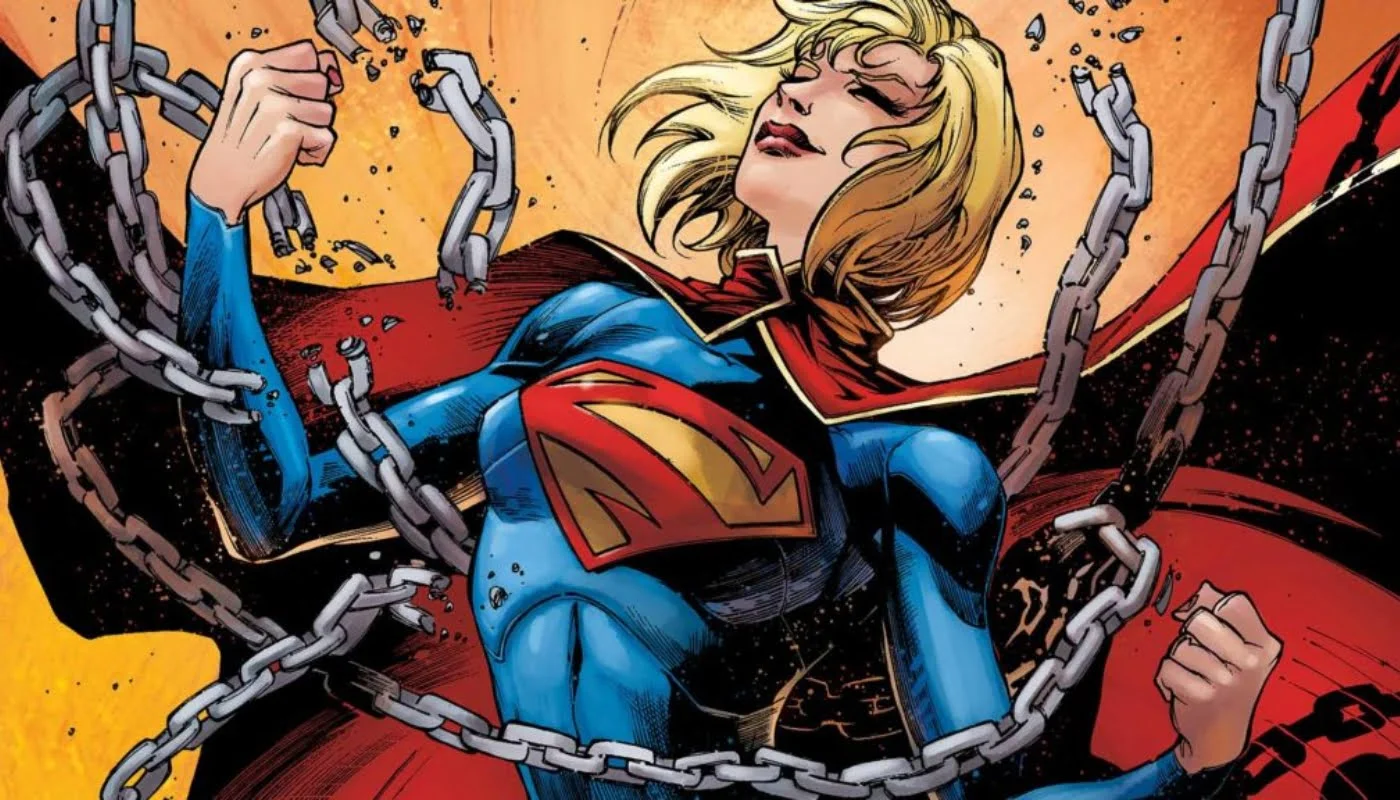
Supergirl: The Girl of Steel – Powers and Abilities

rec-dev.com – Supergirl, also known as Kara Zor-El, is a beloved superheroine in the DC Comics universe, renowned for her courage, strength, and resilience. As Superman’s cousin, she shares his Kryptonian heritage, giving her powers that rival those of the Man of Steel. Her journey from Krypton to Earth is filled with challenges and triumphs, making her an inspiring figure for fans around the world.

Origins and Arrival on Earth

Kara Zor-El was born on the doomed planet Krypton. As Krypton faced destruction, Kara’s parents sent her to Earth to protect her younger cousin, Kal-El (Superman). However, her spacecraft was delayed in the Phantom Zone, causing her to arrive on Earth years after Kal-El. By the time she landed, her cousin had already grown into the iconic superhero Superman. Despite this, Kara embraced her destiny as Supergirl, using her powers to protect her new home.

Powers and Abilities

Like Superman, Supergirl possesses a wide array of superhuman abilities. Her powers include super strength, flight, x-ray vision, heat vision, and super speed. Her invulnerability makes her nearly indestructible, while her heightened senses allow her to perceive things beyond human capacity. Despite being younger, her powers are on par with her cousin’s, making her a formidable force against evil.

Role in the DC Universe

Supergirl has played a vital role in many DC storylines, often working alongside other heroes in the Justice League and the Legion of Super-Heroes. She is known for her fierce determination and compassion, traits that have earned her respect among her peers. Her adventures often explore themes of identity, belonging, and the struggle to find one’s place in the world, resonating deeply with audiences.

Cultural Impact

Supergirl has become a symbol of empowerment and hope, particularly for young women. Her stories emphasize the importance of bravery, integrity, and standing up for what is right. The character has been portrayed in various media, including television series and animated films, further cementing her status as a cultural icon. The TV series “Supergirl,” starring Melissa Benoist, has been particularly influential, highlighting her struggles and triumphs as she balances her dual roles as a superhero and a young woman navigating life on Earth.

Conclusion

Supergirl, the Girl of Steel, continues to inspire and captivate audiences with her strength and unwavering resolve. Her journey from Krypton to Earth is a testament to her resilience and dedication to justice. As she faces new challenges and adventures, Supergirl remains a beacon of hope and empowerment, embodying the best qualities of a superhero.

Lex Luthor: The Criminal Mastermind – Origins of Lex Luthor

rec-dev.com – Lex Luthor is one of the most formidable adversaries in the DC Comics universe, known for his sharp intellect, vast resources, and relentless ambition. As Superman’s arch-nemesis, Luthor embodies the archetype of the criminal mastermind, using his genius-level intellect and influence to challenge the Man of Steel. This article explores the origins, characteristics, and enduring impact of Lex Luthor in the world of comics.

Origins of Lex Luthor

Lex Luthor first appeared in “Action Comics #23” in 1940, created by Jerry Siegel and Joe Shuster. Originally depicted as a mad scientist with plans for world domination, Luthor’s character has evolved over the years into a billionaire industrialist and philanthropist. Despite his public persona, Luthor harbors a deep-seated hatred for Superman, whom he sees as an alien threat to humanity’s potential.

Characteristics of Lex Luthor

Luthor is distinguished by his unmatched intelligence, strategic thinking, and ruthless determination. He possesses a deep understanding of science and technology, often using his inventions to combat Superman. In addition to his intellect, Luthor wields significant political and financial power, allowing him to manipulate events from behind the scenes. Unlike many villains, Luthor often operates within the bounds of the law, making him a particularly insidious threat.

Lex Luthor and Superman: A Rivalry for the Ages

The rivalry between Lex Luthor and Superman is central to Luthor’s character. Luthor views Superman as a symbol of alien interference, believing that humanity should be free to chart its own course without the influence of superpowered beings. This ideological conflict fuels Luthor’s obsession with defeating Superman, often leading to complex schemes that test the limits of both characters. Their dynamic explores themes of power, control, and the nature of heroism.

Cultural Impact

Lex Luthor’s influence extends beyond comic books, with the character appearing in various forms of media, including television, film, and video games. Notable portrayals include Gene Hackman in the “Superman” films, Kevin Spacey in “Superman Returns” (2006), and Jesse Eisenberg in “Batman v Superman: Dawn of Justice” (2016). These interpretations highlight Luthor’s multifaceted nature, showcasing his ability to adapt and remain relevant in changing times.

Conclusion

Lex Luthor remains one of the most iconic villains in the DC Comics universe. His intelligence, ambition, and complex relationship with Superman continue to captivate audiences, ensuring his place as a legendary criminal mastermind. As humanity’s self-appointed guardian against alien threats, Luthor challenges the boundaries of villainy, making us ponder the true meaning of power and responsibility.

Hela: The Asgardian Goddess of Death

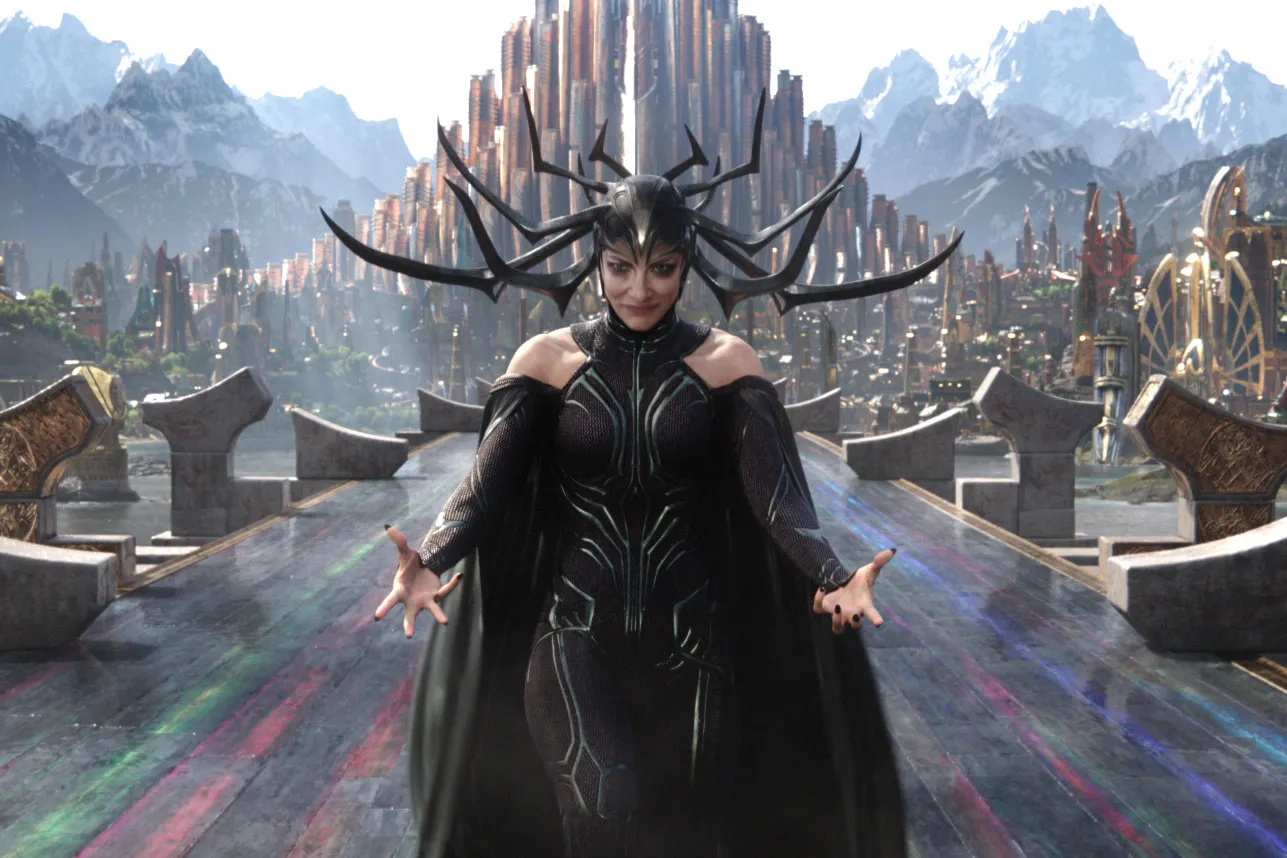
rec-dev.com – Hela, the Asgardian Goddess of Death, is one of the most formidable villains in the Marvel Universe. Known for her immense power and ruthless ambition, she has become a significant antagonist in both comic books and the Marvel Cinematic Universe (MCU). Her roots in Norse mythology add depth to her character, making her an intriguing figure in popular culture.

Origins and Character Development

Hela was first introduced in Marvel Comics by Stan Lee and Jack Kirby in “Journey into Mystery” #102, published in 1964. Inspired by the Norse goddess Hel, she is depicted as the daughter of Loki and the giantess Angrboða. In the MCU, however, her origins are slightly altered, portraying her as the firstborn of Odin, making her the sister of Thor and Loki.

Iconic Style and Powers

Hela’s appearance is striking, with her dark green armor and elaborate antler-like headdress. This design emphasizes her regal yet menacing nature. As the Goddess of Death, Hela possesses extraordinary powers, including superhuman strength, durability, and the ability to resurrect the dead. Her weapon of choice is the Nightsword, and she can conjure weapons at will, making her a formidable adversary.

The Psychology of Hela

Hela’s character explores themes of power, legacy, and vengeance. Driven by a desire to reclaim her rightful place as the ruler of Asgard, she is relentless in her quest for domination. Her motivations are rooted in a sense of betrayal and abandonment by her father, Odin, who imprisoned her to prevent her from fulfilling her destructive potential.

Cultural Impact

Hela’s portrayal by Cate Blanchett in the 2017 film “Thor: Ragnarok” brought her character to a wider audience, earning praise for her commanding performance. This adaptation highlighted Hela’s complexity, blending her ruthless nature with a charismatic presence. Her role in the MCU has solidified her status as one of Marvel’s most iconic villains.

Conclusion

Hela remains a captivating and enduring villain, embodying the dangers of unchecked ambition and the thirst for power. Her character serves as a reminder of the complexities of familial relationships and the consequences of past actions. As new stories continue to explore her character, Hela’s legacy as the Goddess of Death is sure to endure in the Marvel Universe.