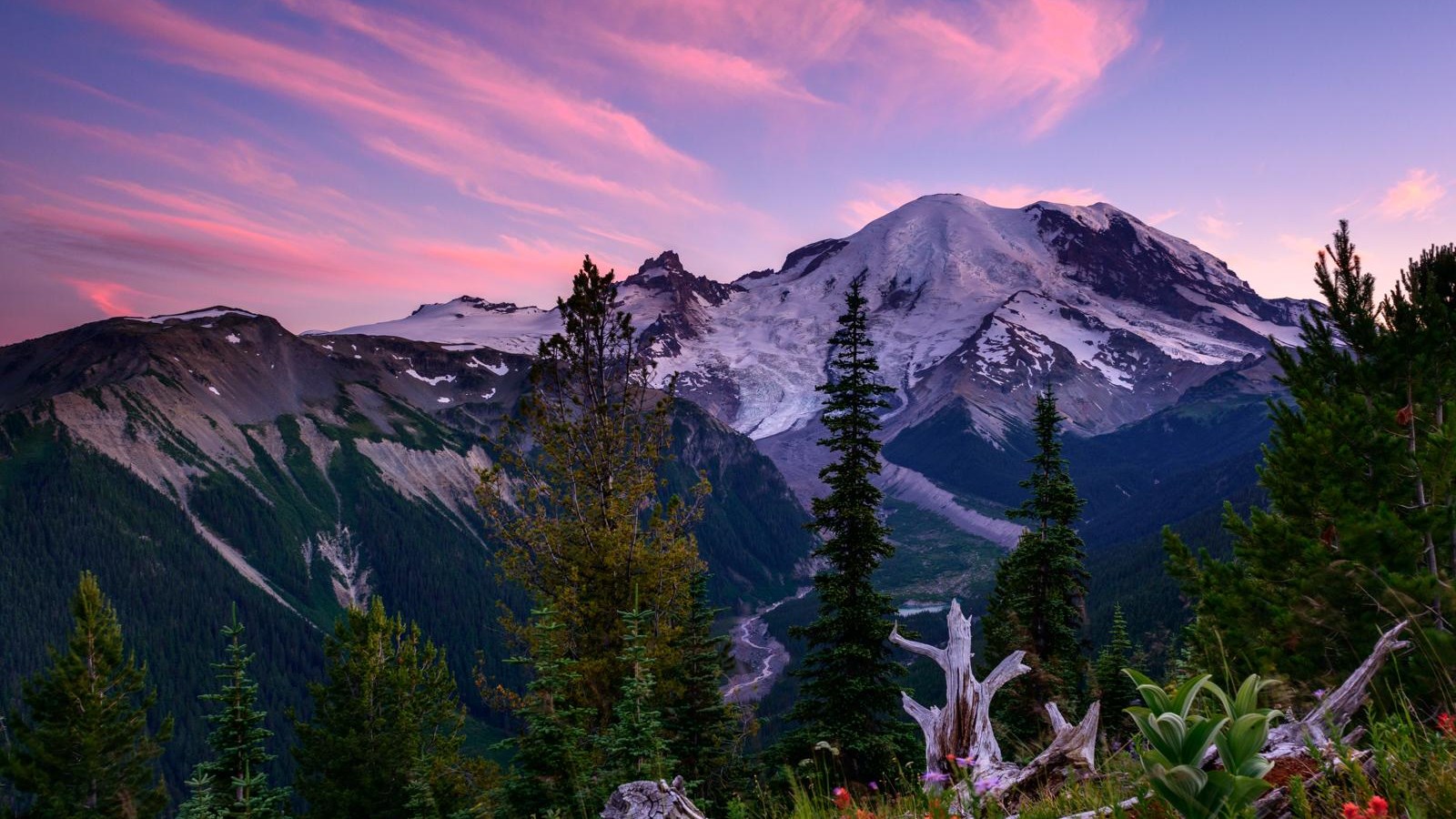
rec-dev.com – Nestled in the heart of the Pacific Northwest, Mount Rainier stands as a sentinel over the state of Washington, its snow-capped peak a beacon for adventurers and nature enthusiasts alike. This majestic stratovolcano, the most prominent mountain in the contiguous United States, is not only a symbol of natural beauty but also a testament to the raw power of the Earth. In this article, we will explore the wonders of Mount Rainier, from its geological origins to its significance in the cultural and recreational landscape of the region.
The Geological Marvel
Mount Rainier, also known as Tacoma by some Native American tribes, is an active stratovolcano that has been estimated to have last erupted over 100 years ago, around 1854. Its summit reaches an impressive height of 14,411 feet (4,392 meters) above sea level, making it the highest peak in the state of Washington. The mountain is part of the Cascade Range, a volcanic chain that stretches from British Columbia, Canada, down to California, USA.
The most striking feature of Mount Rainier is its mantle of ice and snow. The mountain hosts 26 named glaciers, the most of any peak in the contiguous United States. These glaciers, such as the Nisqually, Emmons, and Carbon, are fed by the abundant snowfall that the mountain receives, contributing to its status as one of the most heavily glaciated peaks in the world outside of the polar regions.
A Natural Wonderland
The presence of Mount Rainier has shaped the surrounding environment in profound ways. The mountain’s glaciers are a vital source of water for the region, feeding rivers and streams that support diverse ecosystems. The area around Mount Rainier is a haven for wildlife, with species such as black bears, cougars, elk, and marmots calling the region home.
Mount Rainier National Park, established in 1899, is one of the oldest national parks in the United States. The park encompasses 368 square miles (953 square kilometers) of pristine wilderness, offering visitors a chance to experience the natural beauty of the area. From the lush forests at the base of the mountain to the alpine meadows and tundra near the summit, the park provides a variety of habitats to explore.
Recreational Opportunities
Mount Rainier is a magnet for outdoor enthusiasts, offering a plethora of recreational activities. Hiking is one of the most popular pastimes, with trails ranging from easy nature walks to challenging climbs. The Wonderland Trail, a 93-mile (150-kilometer) loop around the mountain, is a favorite among backpackers, offering stunning views and diverse landscapes.
For those seeking a greater challenge, climbing to the summit of Mount Rainier is an exhilarating experience. Each year, thousands of climbers attempt to reach the top, guided by professional climbing services that operate in the park. The ascent requires physical fitness, technical skill, and a bit of bravery, as climbers navigate ice fields, crevasses, and changing weather conditions.
Other activities in the park include wildlife viewing, camping, snowshoeing, and skiing in the winter months. The park’s visitor centers and ranger talks provide educational opportunities to learn about the natural and cultural history of the area.
Cultural Significance
Mount Rainier holds a special place in the hearts of the local communities and indigenous peoples. For many Native American tribes, the mountain is a spiritual entity, revered for its beauty and power. The mountain’s influence extends to the broader population as well, with its image appearing on state flags, license plates, and in the logos of local businesses.
The mountain has also been the backdrop for numerous cultural events and artistic endeavors, from being featured in films and photography to inspiring music and literature. Its iconic silhouette is a symbol of the natural splendor of the Pacific Northwest.
Conclusion
Mount Rainier is more than just a mountain; it is a natural wonder that embodies the beauty and majesty of the Earth. Its glaciers, forests, and wildlife make it a unique destination for visitors from around the world. Whether you are an adventurer seeking to conquer its summit or a nature lover looking to experience its serene beauty, Mount Rainier offers something for everyone. As we continue to explore and appreciate this glacier-clad giant, it is important to remember the importance of preserving its natural environment for future generations to enjoy.