Egusi Soup: A West African Delight – Regional Variations

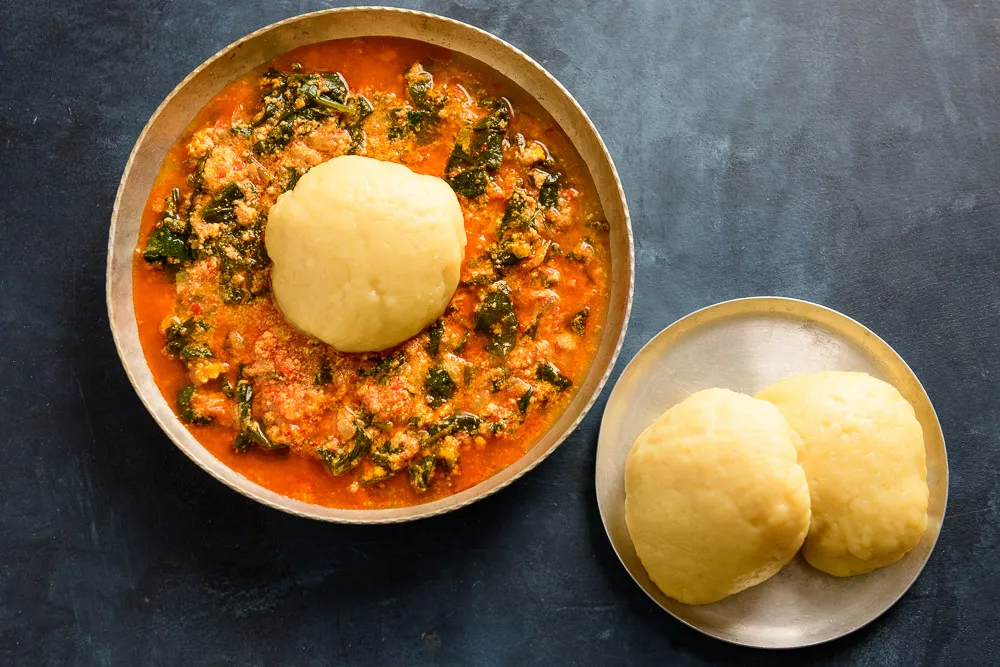
rec-dev.com – Egusi soup, a flavorful and hearty soup popular across West Africa, particularly in Nigeria, Ghana, and Cameroon, is a culinary masterpiece built around ground melon seeds. This versatile dish boasts a rich tapestry of flavors and textures, combining the nutty taste of egusi (melon seeds) with leafy greens, vegetables, and often meat or fish. From casual family meals to festive occasions, Egusi soup is a beloved staple that embodies the region’s rich culinary heritage.   

Origins and Regional Variations

The origins of Egusi soup can be traced back to West Africa, where melon cultivation has been practiced for centuries. The use of melon seeds as a culinary ingredient is a testament to the resourcefulness of West African cuisine, transforming a byproduct into a delicious and nutritious dish. While the basic concept of Egusi soup remains consistent across the region, distinct regional variations exist, reflecting local preferences and available ingredients.   

Key Ingredients: A Symphony of Flavors and Textures

Egusi soup is characterized by its unique combination of ingredients, creating a symphony of flavors and textures. The key components include:

  • Egusi (Melon Seeds): These are the star of the show. Typically, the seeds of the egusi melon ( Citrullus lanatus), or sometimes other melon varieties, are used. They are dried, shelled, and then ground into a fine or coarse powder.   
  • Leafy Greens: A variety of leafy greens can be used, including spinach, bitterleaf ( Vernonia amygdalina), ugu (fluted pumpkin leaves), and waterleaf. The choice of greens often depends on regional preferences and availability.
  • Palm Oil or Vegetable Oil: Oil is used for frying the egusi and other ingredients, contributing to the soup’s rich flavor and texture. Palm oil is traditionally used in many West African cuisines, giving the soup a distinctive reddish-orange color.   
  • Protein (Meat, Fish, or Seafood): Egusi soup is often enriched with protein sources such as beef, goat meat, chicken, smoked fish, dried fish, or shrimp. The choice of protein adds depth and complexity to the soup’s flavor.   
  • Vegetables: Onions, peppers (scotch bonnet or other hot peppers), and tomatoes are commonly used to create a flavorful base for the soup. Other vegetables, such as okra or garden eggs (African eggplant), can also be added.   
  • Seasonings and Spices: A blend of seasonings and spices is used to enhance the soup’s flavor. Common seasonings include salt, pepper, and bouillon cubes. Other spices, such as crayfish, iru (fermented locust beans), or ogiri (fermented melon seeds), can also be added for a deeper, more complex flavor.   

Preparing Egusi Soup: A Step-by-Step Guide

The preparation of Egusi soup involves several key steps:

  1. Preparing the Egusi: The ground egusi is often fried in oil until it becomes lightly browned and fragrant. This process helps to develop the egusi’s nutty flavor and prevents it from clumping in the soup.   
  2. Making the Base: Onions and peppers are fried in oil to create a flavorful base. Tomatoes can also be added at this stage.   
  3. Adding Protein: The chosen protein (meat or fish) is added to the base and cooked until it is browned or cooked through.
  4. Adding the Egusi: The fried egusi is added to the base and stirred well.
  5. Adding Stock or Water: Stock or water is added to the pot to create the soup’s liquid base.   
  6. Adding Leafy Greens and Vegetables: The leafy greens and any other vegetables are added to the soup and cooked until they are wilted and tender.   
  7. Seasoning and Simmering: The soup is seasoned with salt, pepper, and other desired seasonings and spices. It is then simmered for a period of time to allow the flavors to meld and develop.   

Serving and Enjoying Egusi Soup

Egusi soup is typically served hot and is often accompanied by fufu (pounded yam, cassava fufu, or semolina fufu), pounded yam, eba (garri), or other starchy staples. The soup is used as a sauce or dip for the starchy accompaniment.   

Nutritional Value and Health Benefits

Egusi soup offers a wealth of nutritional benefits, thanks to its diverse ingredients.   

  • Protein: The meat, fish, or seafood added to the soup provides a good source of protein.   
  • Healthy Fats: The melon seeds and palm oil provide healthy fats, which are essential for various bodily functions.   
  • Vitamins and Minerals: The leafy greens and vegetables contribute vitamins and minerals, such as vitamins A, C, and K, as well as iron, potassium, and folate.   
  • Fiber: The vegetables and melon seeds provide fiber, which promotes digestive health.

Regional Variations and Names

As mentioned earlier, Egusi soup has regional variations.

  • In Nigeria, it is commonly known as Egusi soup.
  • In Ghana, it is sometimes referred to as Agushi stew or soup.   

Egusi Soup’s Enduring Appeal

Egusi soup’s rich flavor, nutritional value, and cultural significance have contributed to its enduring popularity across West Africa. It is a dish that is enjoyed by people of all ages and backgrounds, representing a delicious and nutritious part of the region’s culinary heritage. From its humble beginnings as a way to utilize melon seeds, Egusi soup has become a culinary icon, showcasing the creativity and resourcefulness of West African cuisine.
Doenjang Jjigae: A Taste of Korean Tradition in a Bowl

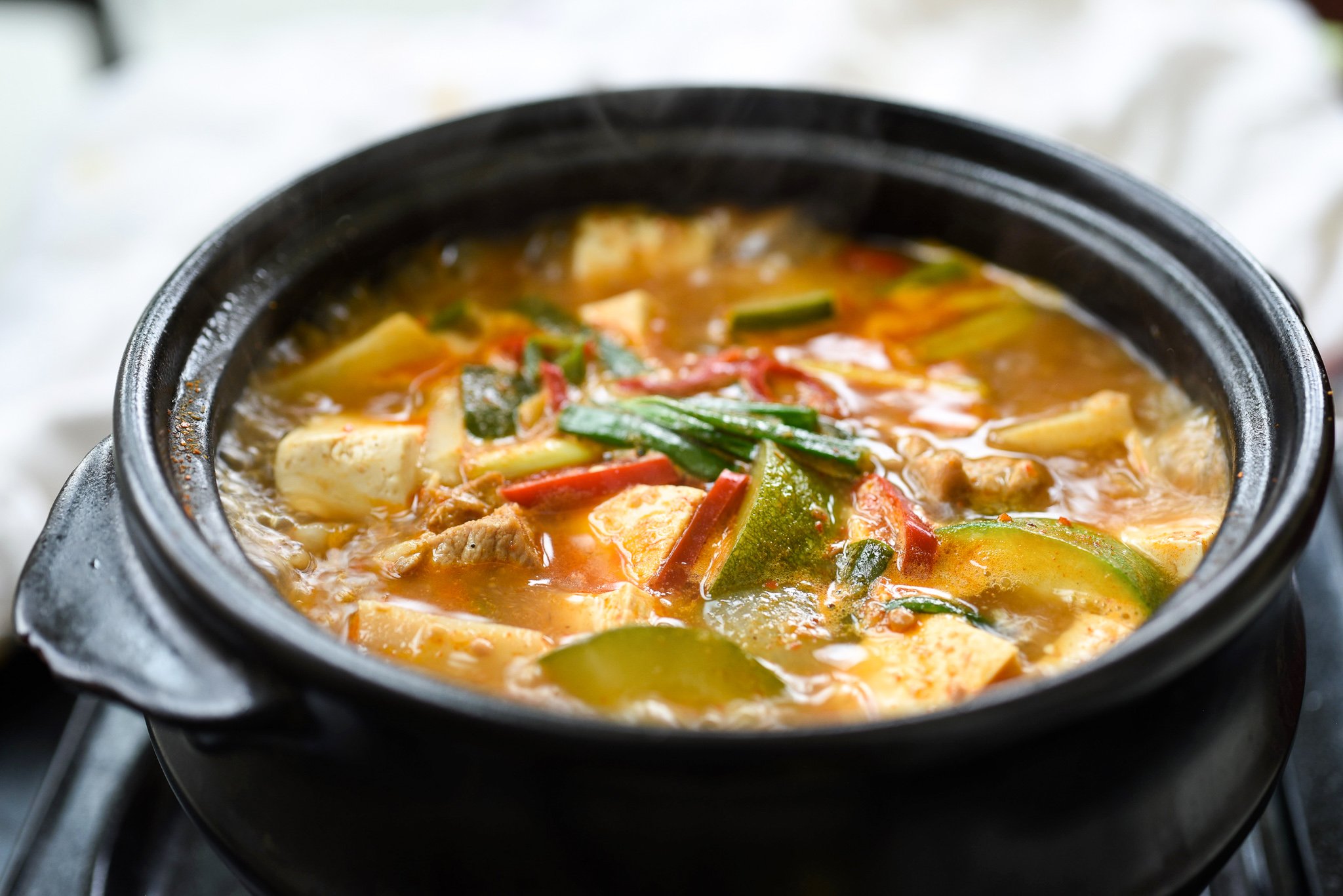
rec-dev.com – Doenjang jjigae, or fermented soybean paste stew, is a quintessential dish in Korean cuisine. Rich in flavor and steeped in tradition, this hearty stew is a staple in many Korean households. Known for its savory and umami-rich taste, doenjang jjigae is both nutritious and comforting. In this article, we will delve into the ingredients, preparation, and cultural significance of this beloved Korean stew.

The Heart of Doenjang Jjigae

At the core of doenjang jjigae is doenjang, a fermented soybean paste that serves as the primary flavoring agent. Doenjang is made by fermenting cooked soybeans with brine, resulting in a paste that is rich in probiotics and packed with umami. This fermentation process imparts a deep, earthy flavor that forms the backbone of the stew.

Ingredients and Preparation

Doenjang jjigae is a versatile dish that can be tailored to suit various tastes and dietary preferences. The basic ingredients typically include:

  • Doenjang (Fermented Soybean Paste): The star of the dish, providing its distinctive flavor.
  • Tofu: Adds a soft texture and absorbs the rich flavors of the broth.
  • Vegetables: Common choices are zucchini, potatoes, onions, and mushrooms, which add both flavor and nutrition.
  • Protein: Often made with beef or seafood, but can easily be adapted for vegetarians.
  • Aromatics: Garlic and green chilies are frequently included for an added depth of flavor.

To prepare doenjang jjigae, start by sautéing garlic and onions in a pot. Add the chosen protein and vegetables, then incorporate the doenjang paste, diluting it with water or broth. Allow the stew to simmer until the flavors meld together and the vegetables are tender. Serve it hot, often accompanied by a bowl of steamed rice.

Cultural Significance

Doenjang jjigae is more than just a meal; it is a reflection of Korean culture and tradition. It is a dish that exemplifies the Korean philosophy of “jang,” or fermented sauces and pastes, which are central to Korean cooking. Doenjang, like other traditional Korean fermented foods, is valued for its health benefits, including improved digestion and a boost to the immune system.

In Korean households, doenjang jjigae is a comfort food that brings people together. It is often shared among family and friends, highlighting the communal aspect of Korean dining. The stew’s simplicity and depth of flavor make it a dish that is both humble and deeply satisfying.

Conclusion

Doenjang jjigae is a beloved staple of Korean cuisine, offering a taste of tradition and a wealth of flavor in every bite. With its hearty ingredients and rich, umami profile, this stew is perfect for those seeking comfort and nourishment. Whether you’re a longtime fan of Korean food or new to its delights, doenjang jjigae is a dish that invites you to experience the warmth and richness of Korea’s culinary heritage.

Exploring Sate Lilit: Balinese Minced Seafood Satay

rec-dev.com – Sate Lilit is a beloved Balinese dish that showcases the vibrant flavors of Indonesia’s tropical paradise. Unlike other types of satay, which typically feature chunks of meat skewered on sticks, Sate Lilit consists of minced seafood or meat mixed with an array of aromatic spices, wrapped around a stick of lemongrass or bamboo. This unique preparation method is a testament to the creativity and rich culinary traditions of Bali.

The Cultural Significance of Sate Lilit

In Bali, Sate Lilit is more than just a dish; it is an integral part of religious ceremonies and traditional celebrations. Often served during festivals and family gatherings, it reflects the island’s communal spirit and the importance of sharing meals. The dish is a staple in Balinese cuisine, offering a taste of local culture and hospitality.

Ingredients and Preparation

Sate Lilit is typically made from minced seafood, such as fish or prawns, although chicken or pork can also be used. The minced meat is combined with grated coconut, coconut milk, lime leaves, shallots, garlic, ginger, turmeric, and chili, creating a fragrant and flavorful mixture. The blend is then wrapped around skewers of lemongrass or bamboo, infusing the satay with a subtle citrus aroma during grilling.

The preparation of Sate Lilit is a communal activity, often involving family members or friends who gather to mix the ingredients and shape the satays. This collaborative cooking process is a cherished tradition, reinforcing social bonds and family ties.

Variations and Serving Suggestions

While the traditional Sate Lilit uses seafood, variations abound, allowing for the use of other proteins or even vegetarian ingredients like tofu or tempeh. The satays are typically grilled over an open flame, imparting a smoky flavor that complements the aromatic spices.

Sate Lilit is often served with a side of sambal (a spicy chili paste) and a portion of nasi campur (mixed rice). The combination of flavors and textures makes for a satisfying and balanced meal.

The Global Appeal of Sate Lilit

As Balinese cuisine continues to gain popularity worldwide, Sate Lilit has emerged as a favorite among food enthusiasts seeking authentic Indonesian flavors. Its unique preparation and delightful taste make it a standout dish that captures the essence of Bali’s culinary heritage.

Conclusion

Sate Lilit is a testament to the rich cultural and culinary traditions of Bali. Its aromatic spices, unique preparation, and communal cooking process make it a dish that is not only delicious but also steeped in cultural significance. Whether enjoyed in Bali or recreated in kitchens around the world, Sate Lilit offers a taste of the island’s vibrant and hospitable spirit.

Tren Baru di Timur Tengah: Destinasi Kuliner Mewah Kian Berkembang Pesat

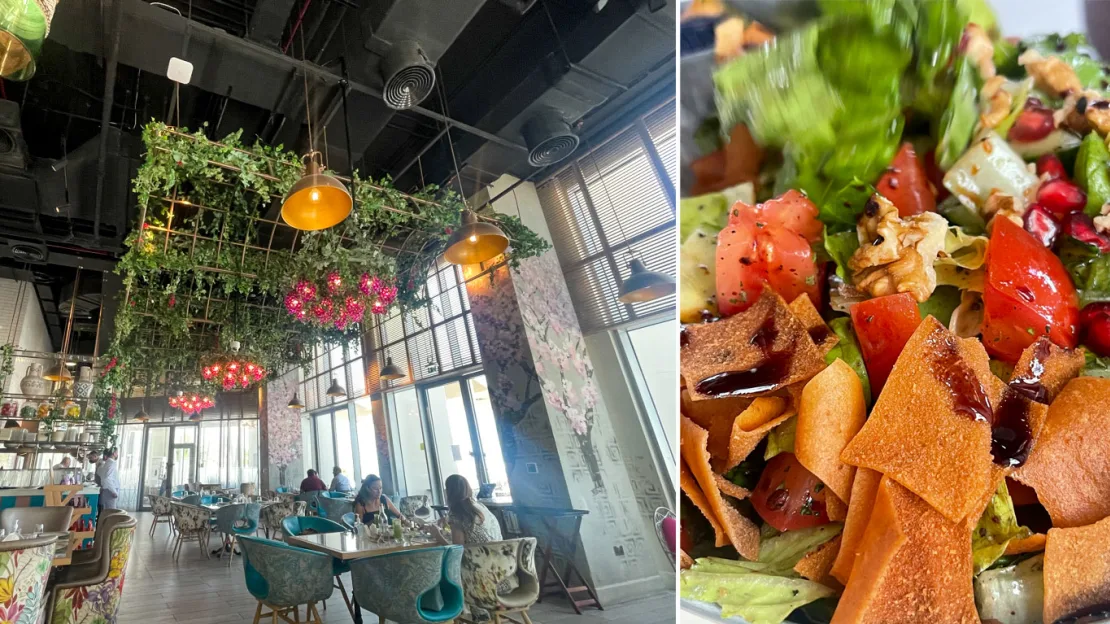
rec-dev.com – Wilayah Timur Tengah dikenal dengan sejarah yang kaya dan budaya yang mempesona. Kini, kawasan ini juga semakin diperhatikan dunia sebagai pusat kuliner mewah yang terus berkembang pesat. Beberapa kota besar di Timur Tengah seperti Dubai, Abu Dhabi, Doha, dan Riyadh, semakin menunjukkan potensi mereka sebagai destinasi kuliner kelas dunia, menarik perhatian para pecinta makanan dari berbagai belahan dunia.

Dengan semakin banyaknya restoran berbintang Michelin, chef internasional yang membuka cabang di kawasan ini, hingga inovasi masakan lokal dengan sentuhan modern, Timur Tengah telah berhasil memposisikan dirinya sebagai destinasi kuliner mewah yang tak kalah dari kota-kota besar lainnya seperti Paris, Tokyo, atau New York.

Perkembangan pesat destinasi kuliner di Timur Tengah tidak lepas dari meningkatnya daya beli masyarakat lokal serta melonjaknya arus wisatawan internasional. Negara-negara di kawasan ini, khususnya Uni Emirat Arab, Qatar, dan Arab Saudi, telah berinvestasi besar-besaran dalam mengembangkan industri pariwisata dan hiburan, termasuk sektor kuliner.

Di Dubai misalnya, para pengunjung dapat menemukan berbagai restoran mewah dengan menu yang disajikan oleh chef kelas dunia. Restoran-restoran ini tidak hanya menawarkan hidangan berkualitas, tetapi juga pengalaman bersantap yang unik, dengan pemandangan menakjubkan seperti gedung pencakar langit, laut, dan gurun.

Abu Dhabi, ibu kota UEA, juga tidak ketinggalan. Kota ini tidak hanya terkenal dengan warisan budayanya, tetapi juga sebagai rumah bagi beberapa restoran fine dining terbaik di dunia. Chef ternama seperti Alain Ducasse dan Gordon Ramsay telah membuka restoran mereka di kota ini, menyuguhkan pengalaman kuliner mewah yang memanjakan para wisatawan.

tren-baru-di-timur-tengah-destinasi-kuliner-mewah-kian-berkembang-pesat

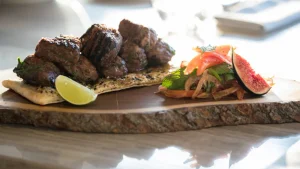
Salah satu aspek menarik dari berkembangnya kuliner mewah di Timur Tengah adalah bagaimana masakan tradisional Arab kini mendapatkan sentuhan modern tanpa kehilangan cita rasa autentiknya. Beberapa restoran fine dining lokal telah berhasil menggabungkan bahan-bahan khas Timur Tengah seperti daging kambing, rempah-rempah aromatik, serta kurma dengan teknik memasak modern dan presentasi yang artistik.

Chef lokal dan internasional berlomba-lomba untuk mengangkat kuliner Timur Tengah ke tingkat yang lebih tinggi. Sebagai contoh, hidangan seperti hummus, falafel, atau kebab kini disajikan dengan inovasi yang lebih menarik namun tetap mempertahankan rasa tradisionalnya. Kombinasi ini menjadikan kuliner mewah di Timur Tengah sebagai pengalaman yang tidak hanya lezat, tetapi juga memikat secara visual.

Salah satu faktor utama yang mendorong perkembangan kuliner mewah di Timur Tengah adalah meningkatnya sektor pariwisata di wilayah ini. Sebagai contoh, Dubai dan Abu Dhabi telah menjadi tujuan wisata utama bagi para wisatawan internasional, termasuk mereka yang mencari pengalaman kuliner berkelas. Banyak hotel dan resort mewah di kawasan ini menawarkan restoran fine dining yang dikombinasikan dengan layanan eksklusif, menciptakan pengalaman bersantap yang luar biasa.

Selain itu, perkembangan kuliner mewah di Timur Tengah juga dipengaruhi oleh ekspatriat yang tinggal di negara-negara ini. Dengan populasi internasional yang terus meningkat, permintaan akan makanan berkualitas tinggi dari berbagai belahan dunia semakin tinggi. Restoran-restoran mewah pun bermunculan, menawarkan hidangan dari Eropa, Asia, hingga Amerika Serikat, sekaligus memperkaya ragam kuliner di kawasan ini.

tren-baru-di-timur-tengah-destinasi-kuliner-mewah-kian-berkembang-pesat

Timur Tengah juga semakin sering menjadi tuan rumah berbagai acara dan festival kuliner yang mengundang chef-chef terkenal serta pengunjung internasional. Festival seperti Dubai Food Festival atau Qatar International Food Festival telah menjadi ajang untuk menampilkan kekayaan kuliner kawasan ini dan sekaligus memperkenalkan tren kuliner terbaru.

Acara-acara semacam ini tidak hanya meningkatkan daya tarik pariwisata, tetapi juga menjadi ajang jepang slot bagi chef lokal dan internasional untuk berkolaborasi, menciptakan hidangan baru yang menggabungkan elemen-elemen budaya kuliner yang berbeda. Dengan semakin seringnya festival kuliner diadakan, Timur Tengah semakin memperkuat posisinya sebagai pusat kuliner global.

Dengan perkembangan yang pesat, masa depan kuliner mewah di Timur Tengah terlihat sangat cerah. Para investor, pengusaha, dan chef kelas dunia semakin tertarik untuk membuka usaha di kawasan ini, menciptakan persaingan yang sehat dan inovatif di sektor kuliner.

Selain itu, upaya pemerintah setempat untuk terus mempromosikan pariwisata dan memperkenalkan kekayaan budaya mereka melalui makanan, semakin mendorong pertumbuhan destinasi kuliner mewah di Timur Tengah. Para pengunjung tidak hanya disuguhi pengalaman bersantap yang mewah, tetapi juga diperkenalkan pada warisan kuliner yang kaya dan beragam.

Di masa mendatang, Timur Tengah diperkirakan akan terus menarik perhatian dunia sebagai destinasi kuliner yang menawarkan pengalaman gastronomi berkelas, perpaduan tradisi dan modernitas, serta cita rasa yang tak terlupakan.

Jelly Bean: A Sweet Symphony of Flavors

rec-dev.com – Jelly beans are small, colorful, bean-shaped candies with a chewy consistency and a variety of flavors. These delightful treats have been a favorite among candy lovers for decades, offering a burst of sweetness in every bite. Jelly beans are not only a staple in Easter baskets but also a year-round indulgence for those with a sweet tooth.

The History of Jelly Beans

The origins of jelly beans can be traced back to the early 19th century. The first jelly beans were much larger and not as flavorful as the ones we know today. They were simply called “jelly beans” and were more like the jelly candies we have now. It wasn’t until the 20th century that jelly beans became associated with Easter and started to come in a variety of flavors and colors. The modern jelly bean, as we know it, was popularized in the 1960s and has since become a symbol of springtime and sweet treats.

Flavors and Varieties

Jelly beans come in a seemingly endless array of flavors, from classic tastes like cherry, lemon, and lime to more exotic options like mango, pomegranate, and even savory flavors like bacon. Some jelly beans are also filled with surprises, such as liquid centers or popping candy, adding an extra layer of fun to the eating experience.

The Making of Jelly Beans

The process of making jelly beans is both an art and a science. It involves several steps, including creating the sugar syrup, flavoring and coloring the mixture, forming the beans, and then coating them to achieve that perfect shine. The mixture is carefully controlled to ensure the right balance of sweetness and chewiness. The final product is a testament to the skill and precision of candy makers.

Jelly Beans and Popular Culture

Jelly beans have made their mark in popular culture, appearing in movies, television shows, and even becoming a favorite of former U.S. President Ronald Reagan. The colorful candies have been featured in various media, often symbolizing fun, celebration, and the joy of snacking on something sweet.

Health Considerations

While jelly beans are a treat to enjoy, it’s important to consume them in moderation. They are high in sugar and calories, which can contribute to health issues if eaten in excess. However, for those looking to indulge without guilt, there are now sugar-free and organic jelly bean options available for a healthier snacking experience.

Jelly Beans Around the World

Jelly beans are not just an American phenomenon; they have gained popularity worldwide. Different countries have their own take on this classic candy, offering unique flavors and variations that reflect local tastes and traditions. From the UK to Australia, jelly beans have become a universal symbol of sweet enjoyment.

Conclusion

Jelly beans are more than just a candy; they are a symbol of fun, flavor, and the simple pleasures of life. With their vibrant colors and diverse tastes, jelly beans offer a delightful escape into a world of sweetness. Whether enjoyed during a holiday or as a year-round treat, jelly beans continue to captivate the hearts of candy lovers everywhere.

From Falafel to Kebabs: Exploring Turkish Street Eats

rec-dev.com – The vibrant streets of Turkey are not only alive with the sounds of bustling markets and the sights of historical architecture but also with the tantalizing aromas of street food. Turkish cuisine, a melting pot of flavors from the East and West, offers a plethora of street eats that cater to every palate. From the humble falafel to the iconic kebabs, this article delves into the world of Turkish street food, uncovering the secrets behind its popularity and the unique tastes that define it.

The Humble Falafel: A Middle Eastern Gem in Turkish Streets

Falafel, though originating from the Middle East, has found a welcoming home on the streets of Turkey. These deep-fried balls or patties made from ground chickpeas or fava beans, mixed with herbs and spices, are a vegetarian delight. Served in a pita bread with a variety of toppings such as tahini sauce, tomatoes, cucumbers, and pickled turnips, falafel is a testament to the cultural diversity that enriches Turkish cuisine.

The Iconic Kebabs: A Symphony of Meat and Flavor

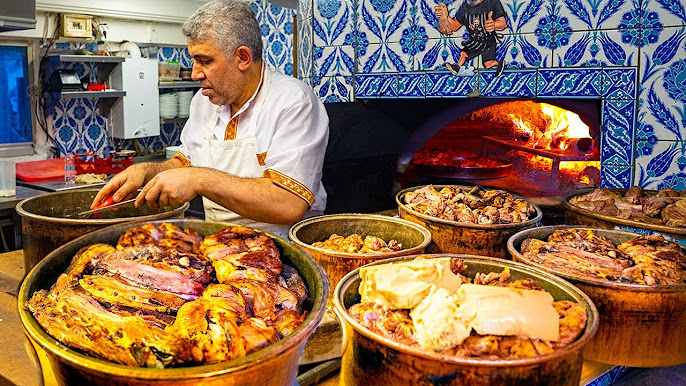
No exploration of Turkish street eats would be complete without mentioning kebabs. The word “kebab” refers to a variety of grilled meat dishes, and in Turkey, it is an art form. From the Doner Kebab, where thinly sliced meat is stacked on a vertical spit and slowly roasted, to the Iskender Kebab, featuring tender slices of doner meat served over bread and a rich tomato sauce, kebabs are a carnivore’s paradise. The Adana Kebab, with its spicy minced meat skewers, and the Kofte, grilled meatballs, further showcase the diversity and skill involved in Turkish kebab-making.

Savory Simits: The Turkish Street Snack

Simits, the Turkish version of the pretzel, is a popular street snack that can be found at almost every corner. These sesame-covered rings of bread are not only a delicious treat but also a symbol of Turkish street culture. Often enjoyed with a cup of Turkish tea, simits are a simple yet satisfying snack that embodies the essence of Turkish street food.

Balancing Act: The Art of Döner Sandwiches

The Döner sandwich is a masterclass in balance and flavor. A soft pide (Turkish flatbread) is filled with slices of succulent doner meat, fresh vegetables like lettuce, tomatoes, and onions, and a drizzle of sauce, creating a harmonious blend of textures and tastes. This handheld meal is a favorite among locals and tourists alike, offering a quick yet satisfying dining experience.

Sweet Endings: Turkish Delight and Baklava

No meal is complete without dessert, and Turkish street food does not disappoint. Turkish Delight, a confection made from gelatinous sweetened and flavored water, often with added nuts, is a must-try. Baklava, layers of filo pastry filled with chopped nuts and sweetened with syrup or honey, is another sweet treat that showcases the richness of Turkish cuisine.

Conclusion

Turkish street food is a journey through the heart of the country’s culinary traditions. From the crispy falafel to the succulent kebabs, each bite tells a story of history, culture, and innovation. Whether you’re a seasoned foodie or a curious traveler, the streets of Turkey offer a feast for the senses that is not to be missed. So, the next time you find yourself wandering the bustling streets of Turkey, let your taste buds guide you on an adventure through the world of Turkish street eats.

A Gourmet Journey After Dark: Lanai’s Late Night Snack Scene

rec-dev.com – Lanai, the enchanting Hawaiian island known for its serene beauty and luxurious resorts, also harbors a vibrant late-night snack scene that caters to both locals and visitors seeking a culinary adventure after the sun sets. As the island transitions into a more tranquil state, a select few establishments come alive, offering a variety of delectable snacks and small bites that are perfect for a late-night indulgence. This article explores the diverse and delicious late-night snack options available on Lanai, promising to satisfy any craving under the starlit sky.

The Best Late Night Snack Spots on Lanai

While Lanai’s dining scene may be more subdued compared to other Hawaiian islands, there are still several spots that offer delightful late-night snacks. One such place is ‘The Lanai Grille’, known for its gourmet burgers and fries that are perfect for a late-night craving. ‘The Pine Isle Market’ provides a more casual option, with a selection of freshly made sandwiches, salads, and local snacks that can be enjoyed under the stars. For those looking for a sweet treat, ‘The Lanai Sweet Shop’ offers a variety of handcrafted chocolates, ice creams, and pastries that are sure to satisfy any sweet tooth.

Must-Try Late Night Snacks on Lanai

Lanai’s late-night snack scene offers a range of delicious options that showcase the island’s culinary diversity. A must-try snack is the ‘Poke Bowl’, a traditional Hawaiian dish that features diced raw fish, seaweed, and a variety of toppings, served over rice. For something more substantial, the ‘Loco Moco’ is a local favorite, consisting of a hamburger patty, rice, and a fried egg, smothered in gravy. Vegetarians and vegans will delight in the ‘Ahi Tuna Poke’, made with fresh, sustainably caught tuna and a variety of plant-based toppings.

The Late Night Snack Experience on Lanai

Snacking late at night on Lanai is an experience that goes beyond just the food. Many of the island’s late-night spots offer outdoor seating, allowing visitors to enjoy their snacks under the Hawaiian stars or with a view of the ocean. The laid-back island atmosphere is complemented by the friendly service and welcoming ambiance of the local eateries. Whether you’re looking for a casual snack or a more gourmet experience, Lanai’s late-night snack scene promises to delight and satisfy.

Conclusion: A Late Night Culinary Adventure on Lanai

In conclusion, Lanai’s late-night snack scene offers a unique and delicious experience that is not to be missed. From gourmet burgers to traditional Hawaiian dishes, the island’s culinary offerings are as diverse as they are delightful. Whether you’re a food enthusiast or simply looking to enjoy a late-night indulgence, Lanai’s late-night snack spots promise to provide a memorable culinary journey after dark.

How Royal Food Shaped Diplomacy: Banquets and Borders

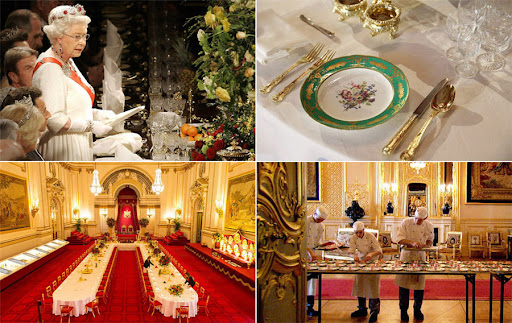
rec-dev.com – Throughout history, the tables of royalty have been more than just places to dine; they have been arenas where diplomacy, power, and culture intersect. The art of hosting banquets has been a crucial tool in the diplomatic arsenal of monarchs, emperors, and sultans, serving as a means to forge alliances, seal treaties, and navigate the complex web of international relations. This article explores how royal food has shaped diplomacy, acting as a silent ambassador in the intricate dance of nations.

The Language of Hospitality

In the absence of modern communication tools, the banquet served as a universal language of hospitality and diplomacy. It was a stage where rulers could showcase their wealth, power, and sophistication. The opulence of the feast, the variety of dishes, and the quality of the ingredients were all statements of a kingdom’s prosperity and stability. By inviting foreign dignitaries to their tables, monarchs could demonstrate their ability to provide and protect, thereby fostering trust and laying the groundwork for diplomatic negotiations.

Culinary Diplomacy

The concept of “culinary diplomacy” is not new. It involves using food as a tool to promote understanding and cooperation among nations. Royal banquets were early examples of this practice, where the host would often incorporate dishes from the guest’s homeland into the menu as a gesture of respect and empathy. This culinary exchange facilitated cultural understanding and helped bridge the gap between different societies.

Sealing Treaties and Alliances

Many historical treaties and alliances were sealed not just with signatures and seals, but with feasts that celebrated the newfound unity. These banquets were more than celebrations; they were public affirmations of the agreements reached, witnessed by the court, the nobility, and sometimes the public. The act of breaking bread together symbolized peace and cooperation, making the banquet a powerful diplomatic tool.

The Spread of Culinary Traditions

Royal banquets also played a crucial role in the spread of culinary traditions across borders. As royal chefs traveled with their monarchs or were exchanged as part of diplomatic gifts, they brought with them new recipes, cooking techniques, and ingredients. This cross-pollination of culinary cultures enriched the gastronomic landscape, leading to the development of new dishes and the evolution of existing ones.

A Reflection of Power Dynamics

The seating arrangements at royal banquets were a microcosm of the political landscape, reflecting the power dynamics and alliances of the time. The placement of guests was a carefully choreographed dance, with the most honored guests seated closest to the host. These arrangements could send strong messages about the host’s intentions and the status of their relationships with other nations.

Conclusion

Royal banquets have been more than just lavish displays of culinary prowess; they have been pivotal in shaping the course of diplomacy. Through the art of hospitality, culinary diplomacy, and the strategic use of food as a cultural ambassador, monarchs have woven the fabric of international relations. As we continue to navigate the complexities of the modern world, the lessons of the banquet table remind us of the power of food to bring people together, foster understanding, and build bridges across borders.

The Science of Why We Can’t Resist That Midday Munch: Snack Attack

As the clock strikes midday, many of us find ourselves reaching for that bag of chips or the leftover slice of cake, succumbing to the irresistible urge for a midday snack. But why is it that we can’t resist that midday munch? The answer lies in a complex interplay of biological, psychological, and environmental factors that scientists refer to as “snack attack.”

The Biological Imperative

At the heart of our snack attacks is our body’s biological clock, or circadian rhythm, which regulates our sleep-wake cycle, hormone release, body temperature, and other bodily functions. This internal clock also influences our hunger and satiety signals. Midday, as our body prepares for the afternoon slump, our energy levels dip, and our cortisol levels, which regulate appetite, start to decrease. This natural dip can trigger hunger and cravings, making us more susceptible to snack attacks.

Moreover, the modern diet, rich in processed foods high in sugar, fat, and salt, can disrupt our body’s natural hunger signals. These foods are designed to be hyper-palatable, triggering the release of dopamine, a neurotransmitter associated with pleasure and reward. Over time, this can lead to habitual snacking, as our brains learn to crave these foods for the quick hit of dopamine they provide.

Psychological Factors

Beyond biology, psychological factors also play a significant role in our snack attacks. Emotional eating, where individuals consume food in response to their emotions rather than hunger, is a well-documented phenomenon. Stress, boredom, and even happiness can trigger snacking behaviors. The midday lull, often accompanied by a dip in energy and focus, can exacerbate these emotional responses, leading us to seek comfort or distraction in food.

Additionally, the concept of “food reward” is crucial in understanding snack attacks. Foods high in sugar and fat are inherently rewarding to the brain, and we learn to associate these foods with positive feelings. This conditioning can make it difficult to resist snacking, especially when faced with the midday slump.

Environmental Influences

Our environment is littered with cues that can trigger snack attacks. The sight and smell of food, advertisements, and even the time of day can prompt us to eat. Social cues also play a role; if those around us are snacking, we’re more likely to join in. The convenience and availability of snack foods, especially in office environments or at home, make it all too easy to give in to temptation.

Strategies to Combat Snack Attacks

Understanding the science behind snack attacks can empower us to combat them more effectively. Here are some strategies:

  1. Plan Ahead: Preparing healthy snacks in advance can help you resist the temptation of less nutritious options when the midday munch strikes.
  2. Stay Hydrated: Sometimes, our bodies can confuse thirst with hunger. Drinking water throughout the day can help curb unnecessary snacking.
  3. Mindful Eating: Paying attention to your eating habits and understanding the triggers for your snack attacks can help you make more conscious decisions about snacking.
  4. Get Moving: A short walk or a quick exercise session can boost your energy levels and help you overcome the midday slump without turning to food.
  5. Opt for Nutrient-Dense Snacks: Choosing snacks that are high in fiber, protein, and healthy fats can help keep you full and satisfied until your next meal.

In conclusion, snack attacks are a multifaceted phenomenon, driven by a combination of biological, psychological, and environmental factors. By understanding the science behind these urges, we can develop strategies to manage our snacking habits more effectively, leading to healthier eating patterns and improved well-being.

The Pricey Spice That’s Worth Its Weight in Gold

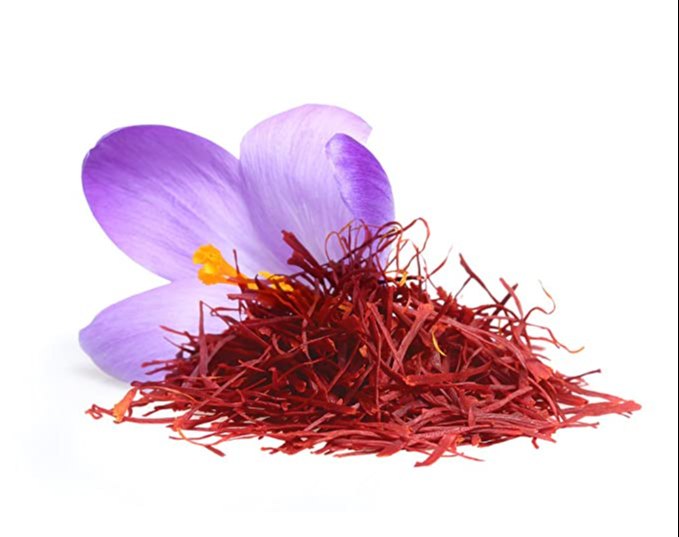
In the world of culinary delights, there exists a spice so precious and expensive that it is often compared to gold. This is saffron, a spice derived from the flower of Crocus sativus, commonly known as the saffron crocus. Renowned for its distinctive taste, vibrant color, and myriad health benefits, saffron is the most expensive spice in the world by weight. Its value is not just monetary; it is a testament to the labor-intensive process of its cultivation and the myriad ways it enhances dishes across the globe.

The Cultivation of Saffron: A Labor of Love

The high cost of saffron is directly linked to the painstaking process of its cultivation. Each saffron crocus flower produces only three stigmas, the thread-like parts of the flower that are used as the spice. These stigmas must be hand-picked, a task that requires precision and care. It takes approximately 75,000 saffron crocus flowers and a significant amount of labor to produce just one pound of saffron. This labor-intensive process contributes to its high price, making it a luxury item in the culinary world.

A Glimpse into History

Saffron’s history is as rich as its flavor. It has been used for over 3,500 years, with its origins traced back to ancient Mesopotamia. Throughout history, saffron has been associated with royalty and has been used in religious rituals, as a dye, in medicine, and, of course, in cuisine. The spice has journeyed across continents, finding its place in the kitchens of Europe, Asia, and the Middle East, each region developing its unique ways of incorporating saffron into their dishes.

Culinary Uses: A Burst of Flavor and Color

Saffron’s unique taste, often described as a combination of earthy, floral, and slightly metallic notes, makes it a prized ingredient in many dishes. Its deep red color is equally valued, used to impart a rich hue to foods ranging from risottos and paellas to biryanis and sweets like baklava and halva. In addition to its culinary uses, saffron is also used to color and flavor a variety of spirits and liqueurs.

Health Benefits: Beyond Culinary Delight

Beyond its culinary applications, saffron is celebrated for its health benefits. It is rich in antioxidants and has been studied for its potential to improve mood, reduce PMS symptoms, and enhance memory and learning. Some research also suggests that saffron may have anticancer properties and could be beneficial in treating symptoms of depression.

The Global Saffron Trade

Today, Iran is the world’s largest producer of saffron, followed by India and Spain. Despite its high cost, the demand for saffron remains strong, driven by its unique qualities and the growing interest in its health benefits. The global saffron trade is a testament to the spice’s enduring appeal, with aficionados willing to pay a premium for the genuine article.

Conclusion

Saffron’s status as a spice worth its weight in gold is well-deserved. Its cultivation is a testament to human ingenuity and perseverance, its history a tapestry of cultures and civilizations, and its culinary and health benefits a gift to be cherished. For those who have experienced the transformative power of saffron in their dishes, there is no doubt that this spice is truly priceless.