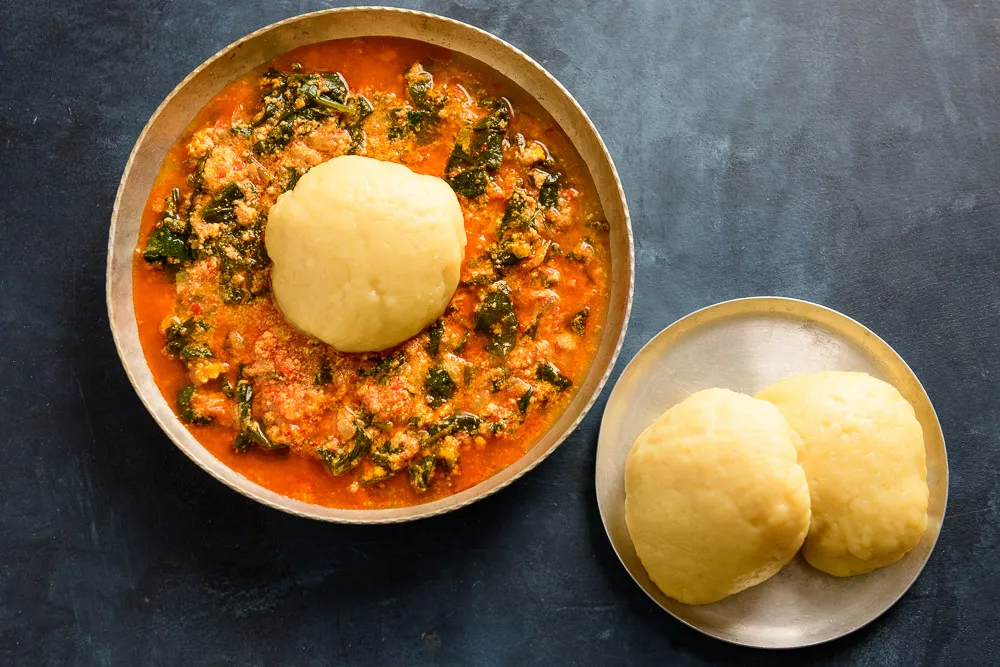
rec-dev.com – Egusi soup, a flavorful and hearty soup popular across West Africa, particularly in Nigeria, Ghana, and Cameroon, is a culinary masterpiece built around ground melon seeds. This versatile dish boasts a rich tapestry of flavors and textures, combining the nutty taste of egusi (melon seeds) with leafy greens, vegetables, and often meat or fish. From casual family meals to festive occasions, Egusi soup is a beloved staple that embodies the region’s rich culinary heritage.
Origins and Regional Variations
The origins of Egusi soup can be traced back to West Africa, where melon cultivation has been practiced for centuries. The use of melon seeds as a culinary ingredient is a testament to the resourcefulness of West African cuisine, transforming a byproduct into a delicious and nutritious dish. While the basic concept of Egusi soup remains consistent across the region, distinct regional variations exist, reflecting local preferences and available ingredients.
Key Ingredients: A Symphony of Flavors and Textures
Egusi soup is characterized by its unique combination of ingredients, creating a symphony of flavors and textures. The key components include:
- Egusi (Melon Seeds): These are the star of the show. Typically, the seeds of the egusi melon ( Citrullus lanatus), or sometimes other melon varieties, are used. They are dried, shelled, and then ground into a fine or coarse powder.
- Leafy Greens: A variety of leafy greens can be used, including spinach, bitterleaf ( Vernonia amygdalina), ugu (fluted pumpkin leaves), and waterleaf. The choice of greens often depends on regional preferences and availability.
- Palm Oil or Vegetable Oil: Oil is used for frying the egusi and other ingredients, contributing to the soup’s rich flavor and texture. Palm oil is traditionally used in many West African cuisines, giving the soup a distinctive reddish-orange color.
- Protein (Meat, Fish, or Seafood): Egusi soup is often enriched with protein sources such as beef, goat meat, chicken, smoked fish, dried fish, or shrimp. The choice of protein adds depth and complexity to the soup’s flavor.
- Vegetables: Onions, peppers (scotch bonnet or other hot peppers), and tomatoes are commonly used to create a flavorful base for the soup. Other vegetables, such as okra or garden eggs (African eggplant), can also be added.
- Seasonings and Spices: A blend of seasonings and spices is used to enhance the soup’s flavor. Common seasonings include salt, pepper, and bouillon cubes. Other spices, such as crayfish, iru (fermented locust beans), or ogiri (fermented melon seeds), can also be added for a deeper, more complex flavor.
Preparing Egusi Soup: A Step-by-Step Guide
The preparation of Egusi soup involves several key steps:
- Preparing the Egusi: The ground egusi is often fried in oil until it becomes lightly browned and fragrant. This process helps to develop the egusi’s nutty flavor and prevents it from clumping in the soup.
- Making the Base: Onions and peppers are fried in oil to create a flavorful base. Tomatoes can also be added at this stage.
- Adding Protein: The chosen protein (meat or fish) is added to the base and cooked until it is browned or cooked through.
- Adding the Egusi: The fried egusi is added to the base and stirred well.
- Adding Stock or Water: Stock or water is added to the pot to create the soup’s liquid base.
- Adding Leafy Greens and Vegetables: The leafy greens and any other vegetables are added to the soup and cooked until they are wilted and tender.
- Seasoning and Simmering: The soup is seasoned with salt, pepper, and other desired seasonings and spices. It is then simmered for a period of time to allow the flavors to meld and develop.
Serving and Enjoying Egusi Soup
Egusi soup is typically served hot and is often accompanied by fufu (pounded yam, cassava fufu, or semolina fufu), pounded yam, eba (garri), or other starchy staples. The soup is used as a sauce or dip for the starchy accompaniment.
Nutritional Value and Health Benefits
Egusi soup offers a wealth of nutritional benefits, thanks to its diverse ingredients.
- Protein: The meat, fish, or seafood added to the soup provides a good source of protein.
- Healthy Fats: The melon seeds and palm oil provide healthy fats, which are essential for various bodily functions.
- Vitamins and Minerals: The leafy greens and vegetables contribute vitamins and minerals, such as vitamins A, C, and K, as well as iron, potassium, and folate.
- Fiber: The vegetables and melon seeds provide fiber, which promotes digestive health.
Regional Variations and Names
As mentioned earlier, Egusi soup has regional variations.
- In Nigeria, it is commonly known as Egusi soup.
- In Ghana, it is sometimes referred to as Agushi stew or soup.
Egusi Soup’s Enduring Appeal
Egusi soup’s rich flavor, nutritional value, and cultural significance have contributed to its enduring popularity across West Africa. It is a dish that is enjoyed by people of all ages and backgrounds, representing a delicious and nutritious part of the region’s culinary heritage. From its humble beginnings as a way to utilize melon seeds, Egusi soup has become a culinary icon, showcasing the creativity and resourcefulness of West African cuisine.