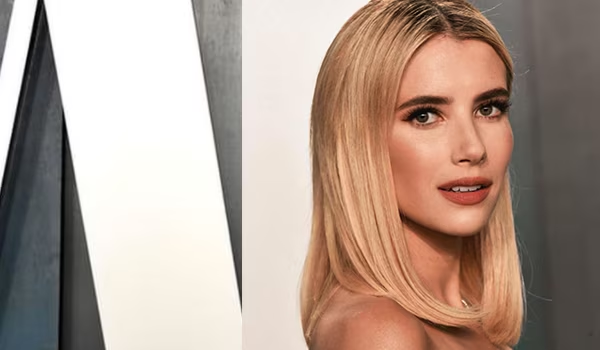
The Blunt Cut: A Bold Choice for Straight Hair

rec-dev.com – The blunt cut has been making waves in the world of hairstyling, particularly among those with straight hair. This sharp, clean-cut look is not only a bold statement but also a refreshing departure from the layered styles that have dominated the scene for years. In this article, we’ll explore the appeal of the blunt cut, how to style it, and why it’s a perfect choice for those with straight hair.

Why the Blunt Cut is Perfect for Straight Hair

The blunt cut is characterized by its even, straight ends that create a strong, graphic line. This style is particularly flattering for those with straight hair because it accentuates the natural smoothness and sleekness of the strands. The sharp edges of the blunt cut contrast beautifully with the softness of straight hair, creating a striking visual effect.

Styling the Blunt Cut

One of the great things about the blunt cut is its versatility. While it looks stunning when worn straight and sleek, it can also be styled in various ways to suit different occasions. For a casual look, simply air-dry your hair and add a bit of texturizing spray for a piece-y finish. For a more polished appearance, use a flat iron to achieve a glossy, pin-straight style. And for those days when you want to add volume, blow-dry your hair with a round brush for a fuller look.

Maintenance and Care

Maintaining a blunt cut requires regular trims to keep the ends looking sharp and healthy. Straight hair can be prone to split ends, so it’s important to schedule salon visits every six to eight weeks. Additionally, using a high-quality heat protectant before styling with heat tools is crucial to prevent damage. Investing in a good leave-in conditioner can also help keep your hair hydrated and manageable.

Choosing the Right Length

The beauty of the blunt cut lies in its simplicity, but that doesn’t mean it’s a one-size-fits-all style. The length of your blunt cut should be chosen based on your face shape, hair texture, and personal style. A long blunt cut can create a dramatic, almost curtain-like effect that frames the face, while a shorter bob can add structure and definition.

Conclusion

The blunt cut is a bold choice that can transform straight hair into a sleek, modern statement. Its versatility, ease of styling, and flattering silhouette make it a popular choice among those looking to make a change. Whether you opt for a classic chin-length bob or a longer, more dramatic cut, the blunt cut is sure to turn heads and showcase the beauty of your straight hair.
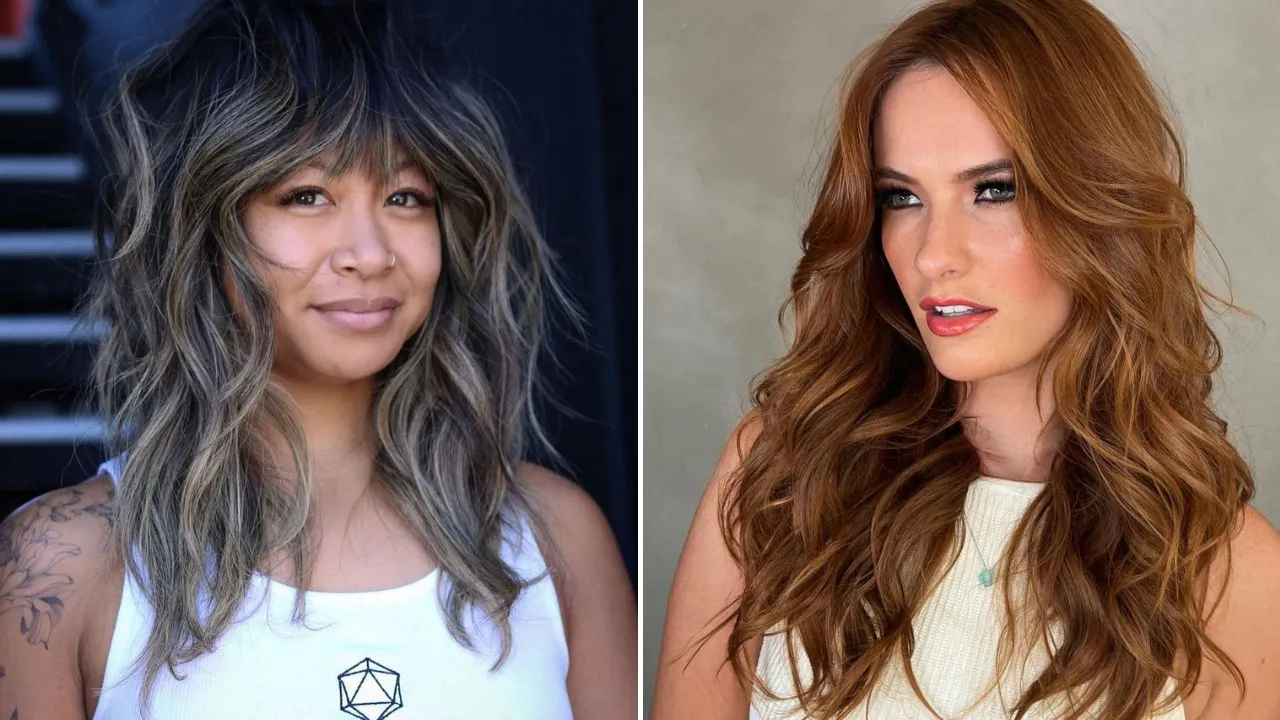
The Long Layers: A Subtle Approach to Layering

rec-dev.com – Layering is a popular hairstyling technique that can add volume, texture, and movement to your hair. Among the various types of layers, long layers offer a subtle yet effective way to enhance your hair’s natural beauty. This approach is particularly favored by those who wish to maintain the length of their hair while still enjoying the benefits of a layered cut. In this article, we’ll delve into the world of long layers, exploring their advantages, how to achieve them, and tips for maintaining this elegant hairstyle.

The Appeal of Long Layers

Long layers are characterized by their soft, gradual transitions between lengths. This subtle approach to layering is appealing because it provides a more natural look, as the layers are less noticeable and blend seamlessly with the rest of the hair. It’s an excellent choice for individuals who want to add shape and movement to their hair without making a dramatic change.

Benefits of Long Layers

One of the primary benefits of long layers is their versatility. They can be adapted to suit various hair types, from straight and fine to thick and curly. Long layers also help to add volume to the mid-lengths and ends of the hair, which is particularly beneficial for those with fine or straight hair that tends to lie flat. Additionally, long layers can help to remove bulk from thick hair, making it easier to manage and style.

Achieving Long Layers

To achieve long layers, it’s essential to work with a skilled hairstylist who can assess your hair’s texture, density, and your personal style preferences. The stylist will typically start cutting the layers from the mid-lengths of the hair, creating a gentle cascade of lengths that flow towards the ends. The goal is to maintain the overall length while introducing subtle layers that enhance the hair’s natural movement.

Maintaining Long Layers

Maintaining long layers requires regular trims every 6-8 weeks to prevent the layers from growing out and losing their shape. It’s also important to use the right hair care products to keep your hair healthy and manageable. A lightweight conditioner or leave-in treatment can help to keep the layers smooth and frizz-free, while a volumizing product can add extra body to the mid-lengths and ends.

Styling Long Layers

Long layers offer a range of styling options, from effortless waves to sleek and straight looks. To enhance the layers, you can use a curling iron or straightener to create subtle waves or curls that emphasize the layered effect. For a more natural look, simply let your hair air dry and use your fingers to scrunch and define the layers.

Conclusion

Long layers are a subtle yet powerful way to add dimension and movement to your hair. They offer a versatile and elegant solution for those looking to enhance their hair’s natural beauty without committing to a dramatic change. By choosing long layers, you can enjoy a hairstyle that is both flattering and easy to maintain, making it a popular choice for many.

From 1920s Icon to Modern Classic: The Evolution of the Bob

rec-dev.com – The bob hairstyle, characterized by its blunt cut and typically ending around the jawline, has been a prominent feature in the world of fashion and beauty for over a century. Originating in the 1920s, the bob has evolved significantly, reflecting the changing societal and cultural landscape throughout the decades. This iconic hairstyle has remained a favorite among women for its versatility, ease of maintenance, and timeless appeal.

The 1920s: Birth of the Bob

The bob hairstyle first gained popularity in the 1920s, a decade marked by significant social and cultural shifts. This era, often referred to as the Jazz Age, was characterized by a move towards more liberal attitudes and a rejection of the conservative norms of previous generations. The bob, with its short, choppy lengths, became a symbol of this newfound freedom and independence, particularly for women. Icons like Louise Brooks and Clara Bow popularized the look, making it a defining feature of the flapper era.

Post-War Era: The Bob’s Resurgence

Following World War II, the bob hairstyle experienced a resurgence in popularity. This period was marked by a return to normalcy and a focus on domestic life. The bob, however, retained its modern edge, evolving to incorporate softer, more feminine features. Styles like the pageboy bob became popular, reflecting the era’s emphasis on elegance and sophistication.

The 1960s: The Bob Goes Mod

The 1960s brought about another significant transformation in the bob hairstyle. Inspired by the mod and beatnik cultures, the bob of this era was characterized by its sharp, geometric lines and bold, blunt fringes. Icons like Twiggy and Audrey Hepburn popularized the look, making it a staple of the swinging sixties. This version of the bob was a statement of modernity and rebellion, reflecting the decade’s youthful energy and cultural revolution.

The 1980s: Volume and Layers

In the 1980s, the bob hairstyle adapted to the era’s love for excess and volume. The bob of this decade was characterized by its layers, teased roots, and permed ends. This voluminous take on the classic bob was popularized by celebrities like Jennifer Aniston and embodied the decade’s emphasis on big hair and bold fashion choices.

Modern Interpretations: Versatility and Innovation

Today, the bob hairstyle continues to evolve, reflecting the diverse and ever-changing landscape of modern fashion. From the sleek, straight bob to the textured, wavy version, the modern bob comes in a variety of styles to suit different tastes and personalities. Celebrities like Anne Hathaway and Victoria Beckham have popularized their own unique takes on the bob, showcasing its versatility and timeless appeal.

Conclusion

The bob hairstyle has come a long way since its inception in the 1920s, evolving from a symbol of rebellion to a modern classic. Its enduring popularity is a testament to its versatility and ability to adapt to changing cultural and societal norms. As fashion continues to evolve, the bob remains a beloved choice for those seeking a stylish, timeless look that exudes confidence and sophistication.