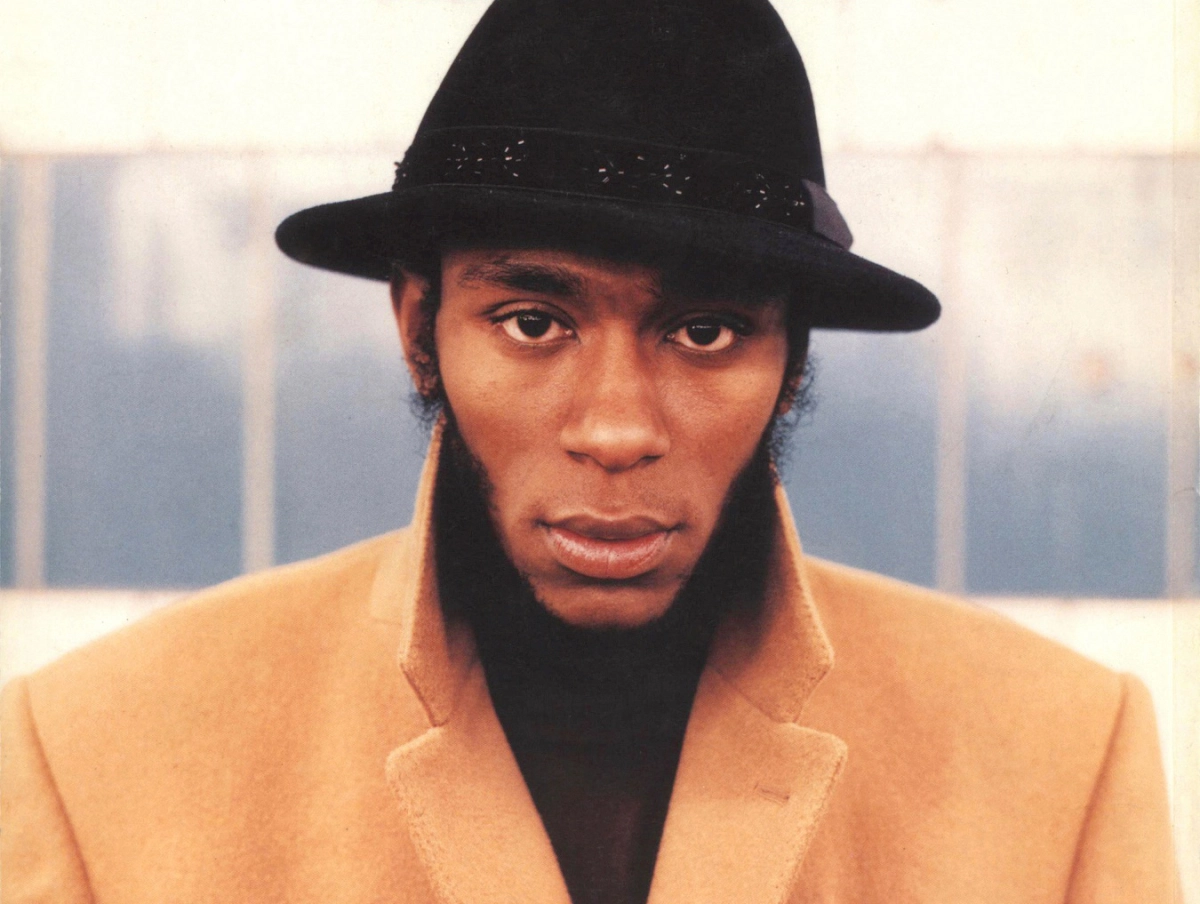
Mos Def: The Evolution of a Hip-Hop Icon

rec-dev.com – Mos Def, born Dante Terrell Smith on December 11, 1973, in Brooklyn, New York, is a celebrated rapper, actor, and activist. Growing up in the culturally rich neighborhood of Bedford-Stuyvesant, Mos Def was exposed to a diverse array of musical influences from an early age. He developed a passion for the arts, particularly acting and music, which set the stage for his multifaceted career.

The Rise in Hip-Hop

Mos Def entered the hip-hop scene in the late 1990s, quickly establishing himself as a talented lyricist and performer. He gained initial recognition as part of the duo Black Star, alongside fellow rapper Talib Kweli. Their self-titled debut album, “Mos Def & Talib Kweli Are Black Star,” released in 1998, was critically acclaimed for its thoughtful lyrics and innovative production. The album addressed social issues and showcased Mos Def’s ability to blend storytelling with sharp commentary.

Solo Career and Musical Style

Following the success of Black Star, Mos Def launched a successful solo career. His debut solo album, “Black on Both Sides,” released in 1999, solidified his position as a leading voice in hip-hop. The album featured tracks like “Ms. Fat Booty” and “Umi Says,” which highlighted his lyrical prowess and ability to seamlessly blend hip-hop with elements of jazz, soul, and funk. Mos Def’s music is characterized by its introspective themes, addressing topics such as identity, politics, and the human experience.

Acting and Beyond

In addition to his music career, Mos Def has made significant strides in the film and television industry. He has appeared in a variety of roles, showcasing his versatility as an actor. Notable film credits include “The Italian Job,” “16 Blocks,” and “Be Kind Rewind.” His performances have been praised for their depth and authenticity, further establishing him as a multifaceted artist.

Activism and Influence

Mos Def is also known for his activism and commitment to social justice. He has used his platform to advocate for various causes, including racial equality, police reform, and the rights of marginalized communities. His thought-provoking work both on and off the stage has inspired fans and fellow artists alike, earning him a reputation as a socially conscious musician and activist.

Legacy and Impact

Mos Def, who later adopted the name Yasiin Bey, continues to be a respected figure in the hip-hop community and beyond. His ability to blend artistry with activism has made him a unique and influential presence in the entertainment industry. Mos Def’s contributions to music, film, and social change have left an indelible mark, inspiring new generations to use their voices for both creative expression and meaningful impact.

Mos Def’s journey from the streets of Brooklyn to international acclaim is a testament to his talent and dedication to his craft. As an artist and activist, he remains a powerful force in hip-hop and a beacon of inspiration for those who seek to make a difference through their art.

From 1920s Icon to Modern Classic: The Evolution of the Bob

rec-dev.com – The bob hairstyle, characterized by its blunt cut and typically ending around the jawline, has been a prominent feature in the world of fashion and beauty for over a century. Originating in the 1920s, the bob has evolved significantly, reflecting the changing societal and cultural landscape throughout the decades. This iconic hairstyle has remained a favorite among women for its versatility, ease of maintenance, and timeless appeal.

The 1920s: Birth of the Bob

The bob hairstyle first gained popularity in the 1920s, a decade marked by significant social and cultural shifts. This era, often referred to as the Jazz Age, was characterized by a move towards more liberal attitudes and a rejection of the conservative norms of previous generations. The bob, with its short, choppy lengths, became a symbol of this newfound freedom and independence, particularly for women. Icons like Louise Brooks and Clara Bow popularized the look, making it a defining feature of the flapper era.

Post-War Era: The Bob’s Resurgence

Following World War II, the bob hairstyle experienced a resurgence in popularity. This period was marked by a return to normalcy and a focus on domestic life. The bob, however, retained its modern edge, evolving to incorporate softer, more feminine features. Styles like the pageboy bob became popular, reflecting the era’s emphasis on elegance and sophistication.

The 1960s: The Bob Goes Mod

The 1960s brought about another significant transformation in the bob hairstyle. Inspired by the mod and beatnik cultures, the bob of this era was characterized by its sharp, geometric lines and bold, blunt fringes. Icons like Twiggy and Audrey Hepburn popularized the look, making it a staple of the swinging sixties. This version of the bob was a statement of modernity and rebellion, reflecting the decade’s youthful energy and cultural revolution.

The 1980s: Volume and Layers

In the 1980s, the bob hairstyle adapted to the era’s love for excess and volume. The bob of this decade was characterized by its layers, teased roots, and permed ends. This voluminous take on the classic bob was popularized by celebrities like Jennifer Aniston and embodied the decade’s emphasis on big hair and bold fashion choices.

Modern Interpretations: Versatility and Innovation

Today, the bob hairstyle continues to evolve, reflecting the diverse and ever-changing landscape of modern fashion. From the sleek, straight bob to the textured, wavy version, the modern bob comes in a variety of styles to suit different tastes and personalities. Celebrities like Anne Hathaway and Victoria Beckham have popularized their own unique takes on the bob, showcasing its versatility and timeless appeal.

Conclusion

The bob hairstyle has come a long way since its inception in the 1920s, evolving from a symbol of rebellion to a modern classic. Its enduring popularity is a testament to its versatility and ability to adapt to changing cultural and societal norms. As fashion continues to evolve, the bob remains a beloved choice for those seeking a stylish, timeless look that exudes confidence and sophistication.