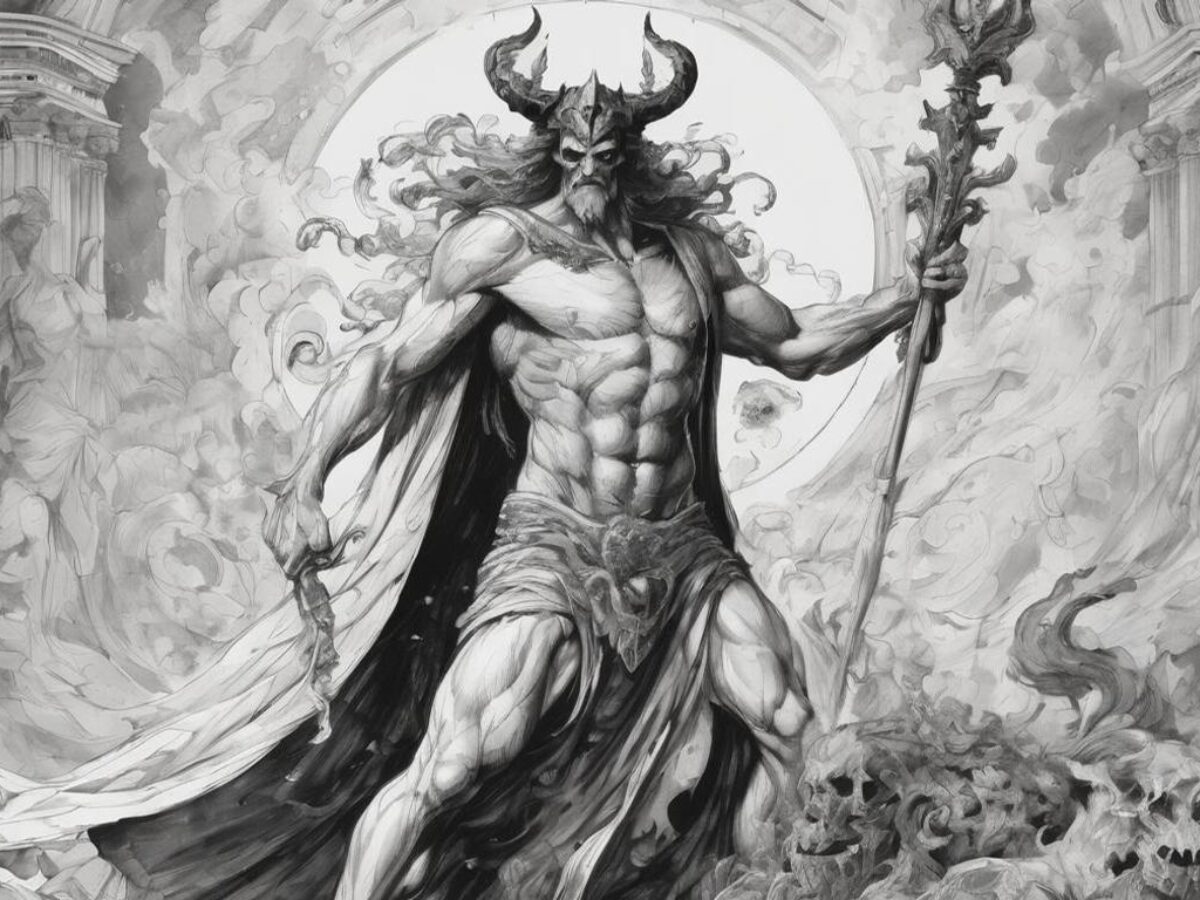
Hades: The Lord of the Underworld – Role and Responsibilities

rec-dev.com – Hades, one of the most significant figures in Greek mythology, is renowned as the Lord of the Underworld. As the ruler of the realm of the dead, Hades embodies the mysteries of life after death and the inevitability of mortality. This article explores the origins, role, and influence of Hades, offering insight into his complex character and enduring presence in mythological narratives.

Origins and Mythological Background

Hades is one of the three sons of Cronus and Rhea, alongside his brothers Zeus and Poseidon. Following the defeat of the Titans, the three brothers divided the cosmos among themselves. While Zeus claimed the sky and Poseidon took the seas, Hades was given dominion over the Underworld. Despite his fearsome reputation, Hades was not considered evil; rather, he was seen as a stern and just ruler of the dead.

Role and Responsibilities

As the Lord of the Underworld, Hades presides over the realm where souls reside after death. His kingdom is vast, encompassing the Elysian Fields, where virtuous souls find peace, and the darker regions like Tartarus, reserved for punishment. Hades ensures the balance between life and death, maintaining order in the afterlife. His role highlights the ancient Greeks’ understanding of death as a natural, albeit mysterious, part of existence.

Symbols and Attributes

Hades is often depicted with symbols that reflect his dominion and power. The Helm of Darkness, also known as the Cap of Invisibility, allows him to move unseen, emphasizing his connection to the unseen world of the dead. Cerberus, the three-headed dog, serves as his loyal guardian, preventing the dead from leaving and the living from entering. The bident, a two-pronged weapon, is another symbol associated with Hades, signifying his authority.

Influence and Perception

Hades’ influence extends beyond his role as the ruler of the Underworld. Unlike his brothers, Hades seldom leaves his realm, which contributes to his enigmatic and distant character. Despite this, he plays a crucial part in many myths, including the well-known story of Persephone, his queen. This myth explores themes of love, loss, and the changing seasons, illustrating Hades’ complex nature and his impact on the world above.

Conclusion

Hades, as the Lord of the Underworld, remains a fascinating figure in Greek mythology. His role as the ruler of the dead reflects the ancient Greeks’ views on life, death, and the afterlife. Through his stories, Hades continues to captivate and intrigue, serving as a powerful reminder of the mysteries that lie beyond mortal life.
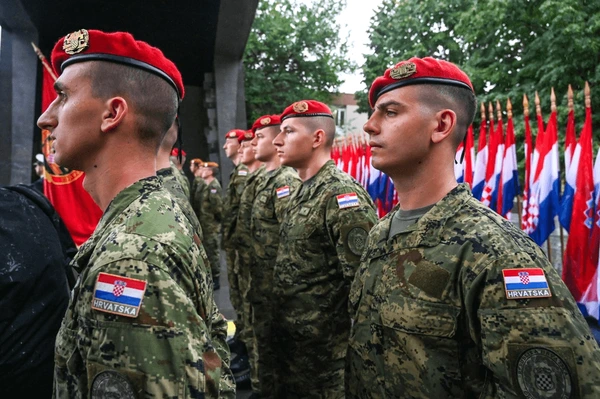

The Role of Croatia in Regional Conflicts and Border Wars

rec-dev.com – Croatia, a nation with a complex history in Southeast Europe, has played a significant role in regional conflicts and border wars. Its strategic location, diverse ethnic composition, and historical ties to neighboring countries have often placed it at the center of geopolitical tensions. This article examines Croatia’s involvement in regional conflicts, focusing on its role in the Yugoslav Wars and subsequent border disputes, highlighting the challenges and diplomatic efforts to maintain peace and stability in the region.

Croatia in the Yugoslav Wars

The disintegration of Yugoslavia in the early 1990s led to a series of conflicts known as the Yugoslav Wars. Croatia declared independence from Yugoslavia in 1991, sparking a war with the Yugoslav People’s Army (JNA) and Serb forces within Croatia. The conflict, known as the Croatian War of Independence, resulted in significant loss of life and displacement of people. Croatia’s struggle for sovereignty was marked by several key battles, including the Siege of Dubrovnik and the Battle of Vukovar, which became symbols of Croatian resistance.

The Role of Croatia in the Bosnian War

The Bosnian War, which erupted in 1992, further entangled Croatia in regional conflicts. Initially, Croatia supported Bosniak-Croat forces against Serb aggression. However, tensions between Bosniaks and Croats led to a brief conflict known as the Croat-Bosniak War in 1993-1994. The Washington Agreement, brokered by the United States, ended the hostilities and established the Federation of Bosnia and Herzegovina, a joint Bosniak-Croat entity within Bosnia and Herzegovina.

Border Disputes and Diplomatic Efforts

Following the end of the Yugoslav Wars, Croatia faced several border disputes with its neighbors. The most notable was the dispute with Slovenia over the Piran Bay and the Savudrija Peninsula. The two countries engaged in diplomatic negotiations and, in 2017, agreed to arbitration by the Permanent Court of Arbitration in The Hague. The arbitration ruling largely favored Slovenia, providing it with access to international waters in the Adriatic Sea.

Croatia’s Relations with Bosnia and Herzegovina and Serbia

Croatia’s relations with Bosnia and Herzegovina and Serbia have been marked by efforts to reconcile past conflicts and promote regional stability. Croatia has supported Bosnia and Herzegovina’s Euro-Atlantic integration and has worked to normalize relations with Serbia. The establishment of the Regional Cooperation Council (RCC) and Croatia’s membership in the European Union in 2013 have facilitated regional dialogue and cooperation.

Conclusion

Croatia’s role in regional conflicts and border wars has been shaped by its historical, ethnic, and geopolitical circumstances. From the Croatian War of Independence to the Bosnian War and subsequent border disputes, Croatia has navigated a challenging path toward peace and stability. Through diplomatic efforts and regional cooperation, Croatia continues to play a crucial role in fostering good relations with its neighbors and contributing to the security and prosperity of Southeast Europe.

The Role of Models in Shaping Fashion Show Dynamics

rec-dev.com – In the ever-evolving world of fashion, where trends come and go with the changing seasons, one constant remains: the model. These individuals are more than just the faces and bodies that bring clothing to life on the runway; they are the silent storytellers, the living mannequins, and the embodiment of a designer’s vision. The role of models in shaping fashion show dynamics is pivotal, influencing everything from the narrative of the collection to the overall atmosphere of the event.

Setting the Tone

From the moment a model steps onto the runway, they set the tone for the show. Their walk, often referred to as the “model strut,” is a carefully cultivated blend of confidence, attitude, and grace. This walk is not just about showing off the clothes; it’s about creating an aura, a presence that commands attention and sets the stage for the designer’s narrative. The way something is presented can have a significant impact on how it is received by the audience. A model’s ability to convey the essence of the collection through their demeanor and movement is crucial in establishing the mood and theme of the show.

Embodying the Vision

Models are the physical manifestation of a designer’s creative vision. They are the bridge between the abstract concept of fashion and its tangible reality. A designer might envision their collection as a journey through a mystical forest, a rebellion against societal norms, or a homage to a bygone era. It is the model’s job to bring this vision to life, to embody the spirit of the collection in a way that resonates with the audience. This requires not just a physical representation but an emotional and intellectual understanding of the designer’s intent.

Creating a Connection

In a world where fashion shows are increasingly becoming spectacles of art and entertainment, models play a critical role in creating a connection between the audience and the clothing. They are the human element that makes the abstract concept of fashion relatable. Through their expressions, movements, and the way they wear the clothes, models can evoke emotions in the audience, making them feel excited, inspired, or even moved. This connection is what turns a fashion show from a mere presentation of clothing into an immersive experience that leaves a lasting impression.

Influencing Trends

Beyond the runway, models also play a significant role in shaping fashion trends. The visibility and popularity of certain models can influence consumer behavior and fashion trends. When a model becomes a muse for a designer or is frequently featured in high-profile campaigns and editorials, they become synonymous with certain styles or aesthetics. This association can sway public perception and consumer preferences, making models influential figures in the fashion industry.

Conclusion

The role of models in shaping fashion show dynamics is multifaceted and profound. They are not just passive wearers of clothing but active participants in the creation of a designer’s narrative. Through their walk, demeanor, and ability to embody a vision, models set the tone, create connections, and influence trends. As the fashion industry continues to evolve, the importance of models in bringing fashion to life remains undiminished, making them indispensable players in the world of haute couture and beyond.