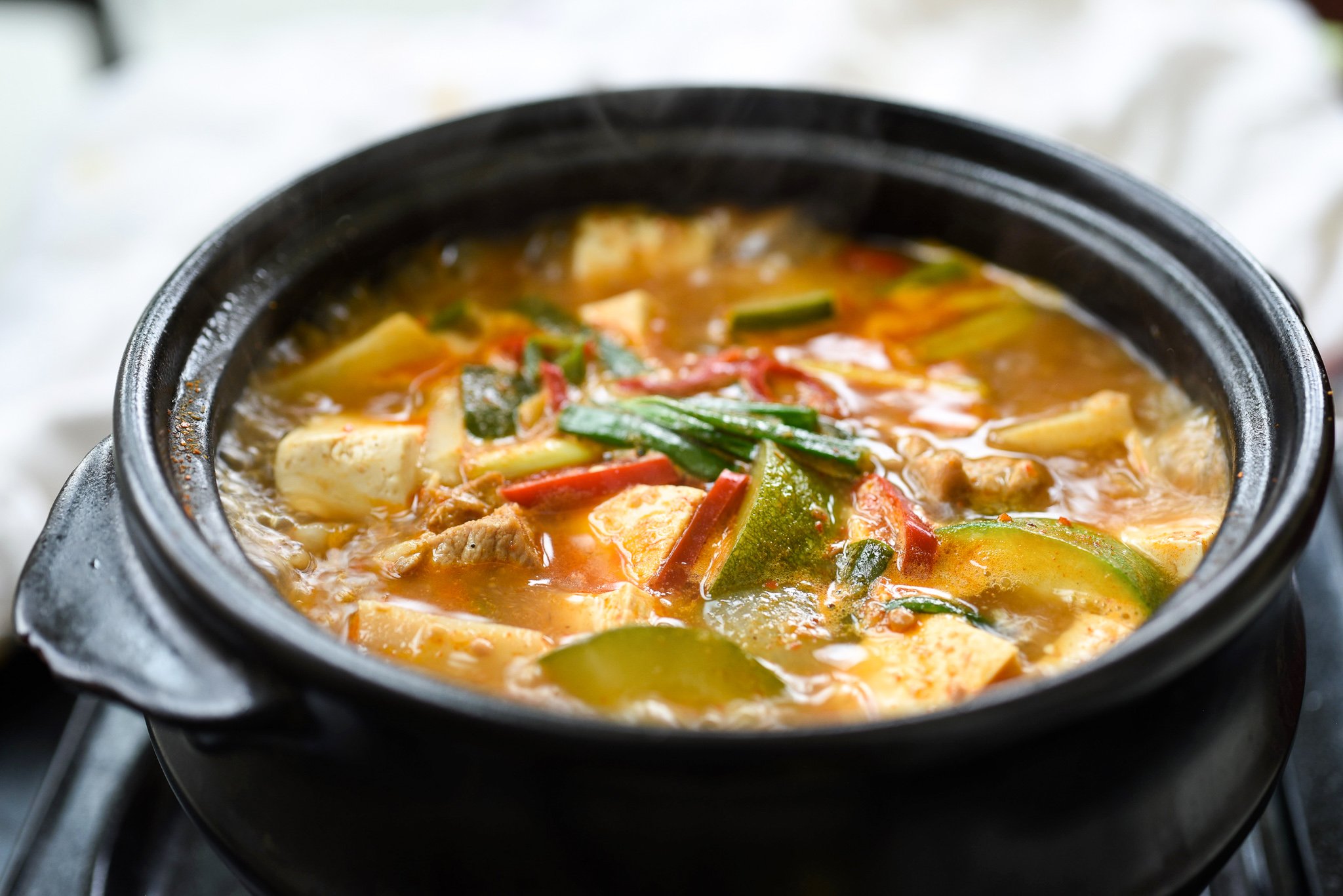
Doenjang Jjigae: A Taste of Korean Tradition in a Bowl

rec-dev.com – Doenjang jjigae, or fermented soybean paste stew, is a quintessential dish in Korean cuisine. Rich in flavor and steeped in tradition, this hearty stew is a staple in many Korean households. Known for its savory and umami-rich taste, doenjang jjigae is both nutritious and comforting. In this article, we will delve into the ingredients, preparation, and cultural significance of this beloved Korean stew.

The Heart of Doenjang Jjigae

At the core of doenjang jjigae is doenjang, a fermented soybean paste that serves as the primary flavoring agent. Doenjang is made by fermenting cooked soybeans with brine, resulting in a paste that is rich in probiotics and packed with umami. This fermentation process imparts a deep, earthy flavor that forms the backbone of the stew.

Ingredients and Preparation

Doenjang jjigae is a versatile dish that can be tailored to suit various tastes and dietary preferences. The basic ingredients typically include:

  • Doenjang (Fermented Soybean Paste): The star of the dish, providing its distinctive flavor.
  • Tofu: Adds a soft texture and absorbs the rich flavors of the broth.
  • Vegetables: Common choices are zucchini, potatoes, onions, and mushrooms, which add both flavor and nutrition.
  • Protein: Often made with beef or seafood, but can easily be adapted for vegetarians.
  • Aromatics: Garlic and green chilies are frequently included for an added depth of flavor.

To prepare doenjang jjigae, start by sautéing garlic and onions in a pot. Add the chosen protein and vegetables, then incorporate the doenjang paste, diluting it with water or broth. Allow the stew to simmer until the flavors meld together and the vegetables are tender. Serve it hot, often accompanied by a bowl of steamed rice.

Cultural Significance

Doenjang jjigae is more than just a meal; it is a reflection of Korean culture and tradition. It is a dish that exemplifies the Korean philosophy of “jang,” or fermented sauces and pastes, which are central to Korean cooking. Doenjang, like other traditional Korean fermented foods, is valued for its health benefits, including improved digestion and a boost to the immune system.

In Korean households, doenjang jjigae is a comfort food that brings people together. It is often shared among family and friends, highlighting the communal aspect of Korean dining. The stew’s simplicity and depth of flavor make it a dish that is both humble and deeply satisfying.

Conclusion

Doenjang jjigae is a beloved staple of Korean cuisine, offering a taste of tradition and a wealth of flavor in every bite. With its hearty ingredients and rich, umami profile, this stew is perfect for those seeking comfort and nourishment. Whether you’re a longtime fan of Korean food or new to its delights, doenjang jjigae is a dish that invites you to experience the warmth and richness of Korea’s culinary heritage.
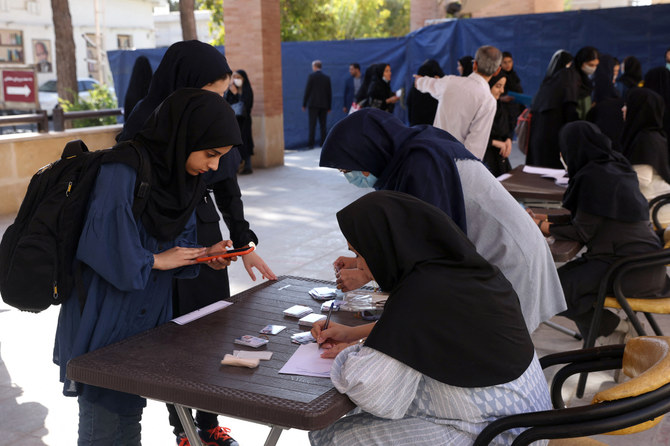
A Deep-Rooted Tradition: Gender-Segregated Education in Iran

rec-dev.com – Iran, a country with a rich cultural and historical background, has a unique approach to education that is deeply rooted in its social and religious norms. One of the most distinctive features of the Iranian educational system is the practice of maintaining separate schools for boys and girls. This gender segregation in education is not only a reflection of the country’s conservative values but also a policy that is believed to align with Islamic principles.

The Rationale Behind Gender Segregation

The primary argument for gender-segregated education in Iran is based on the belief that it helps in maintaining modesty and decorum, which are considered essential in Islamic teachings. Proponents of this system argue that separating boys and girls in educational settings can minimize distractions and allow students to focus better on their studies. Additionally, it is believed to provide a more comfortable learning environment where students can freely express themselves without the pressures often associated with co-educational settings.

Implementation and Impact

In Iran, gender segregation in schools is strictly enforced from the primary level all the way through to higher education. Boys and girls attend separate classes, often in separate buildings or schools. This segregation extends beyond the classroom, affecting extracurricular activities, sports, and even public transportation to and from school.

The impact of gender-segregated education on students’ academic performance and social development is a subject of ongoing debate. While some argue that it fosters a more focused learning environment, others contend that it limits social interaction and can lead to gender stereotypes. Despite these concerns, the Iranian government maintains that gender segregation is essential for upholding the country’s cultural and religious values.

Challenges and Criticisms

One of the main criticisms of gender-segregated education in Iran is that it can perpetuate gender inequality. Critics argue that by separating boys and girls, the system reinforces traditional gender roles and limits opportunities for interaction and collaboration between the sexes. This, in turn, can hinder the development of a more inclusive and egalitarian society.

Moreover, the implementation of gender segregation in education can pose logistical challenges, such as the need for separate facilities and resources. This can lead to disparities in the quality of education, with some schools being better equipped than others.

Conclusion

Gender-segregated education in Iran is a complex issue that reflects the country’s cultural and religious values. While it is seen by some as a way to uphold modesty and focus on learning, it is criticized by others for potentially reinforcing gender stereotypes and limiting social interaction. As Iran continues to evolve, the debate over the merits and drawbacks of separate schools for boys and girls is likely to persist, reflecting broader discussions about gender equality and education in the country.