Prairie Dog Food: The Diet of These Social Herbivores

rec-dev.com – Prairie dogs, named for their distinctive bark-like call, are small burrowing rodents found in the grasslands of North America. As highly social animals, they live in colonies and spend much of their time foraging for food to sustain their active lifestyles. Prairie dogs play a crucial role in their ecosystems, helping to shape the landscape by grazing on vegetation, which in turn influences plant biodiversity. Understanding the diet of prairie dogs is key to understanding their role in their environment and their survival. This article provides an in-depth look into what prairie dogs eat, how their feeding habits change with the seasons, and what foods are suitable for them in captivity.

1. Prairie Dog Diet Overview: Primarily Herbivorous

Prairie dogs are primarily herbivores, meaning they feed on a plant-based diet consisting mostly of grasses, herbs, and occasionally roots. However, like many other rodents, they can be opportunistic feeders, occasionally consuming insects or other small animals when plant food is scarce. Their diet is finely tuned to their prairie habitat, where they have access to a variety of grasses and plants.

Key Components of a Prairie Dog’s Diet:

  • Grasses: The primary and most important part of their diet.
  • Herbs and flowers: Provide additional nutrients and variety.
  • Seeds and grains: Consumed for energy, especially before hibernation.
  • Roots and bulbs: Eaten when other food is scarce.
  • Insects: Occasionally eaten for extra protein.

While prairie dogs are herbivores by nature, they can adapt their diet to the resources available in their environment.

2. Grasses: The Staple of Prairie Dog Nutrition

Grasses are the most important and abundant food source for prairie dogs, making up the bulk of their diet. These grasses provide essential fiber, carbohydrates, and nutrients that prairie dogs need to maintain their health and energy levels. Because prairie dogs are grazing animals, they spend a significant portion of their day feeding on the grass around their burrows.

Common Grasses Eaten by Prairie Dogs:

  • Buffalo grass: A common grass in prairie habitats that prairie dogs feed on.
  • Blue grama grass: Another key grass species that prairie dogs graze on.
  • Western wheatgrass: An important food source for prairie dogs in the wild.
  • Fescue and other meadow grasses: Prairie dogs also eat a variety of grasses found in their grassland environments.

These grasses are rich in fiber and are easily digestible for prairie dogs, providing them with the necessary energy to sustain their busy lives.

3. Herbs and Flowers: A Nutrient-Rich Addition

In addition to grasses, prairie dogs also feed on a variety of herbs and flowers. These plants add diversity to their diet and provide essential vitamins and minerals. The availability of herbs and flowers varies with the season, but prairie dogs take full advantage of these plants when they are in bloom.

Common Herbs and Flowers Eaten by Prairie Dogs:

  • Dandelions: Prairie dogs enjoy both the leaves and flowers of dandelions, which are rich in vitamins.
  • Clover: Clover is another favored plant that provides additional nutrients.
  • Yarrow: Found in grasslands, yarrow adds variety to a prairie dog’s diet.
  • Sunflowers: Prairie dogs may eat the seeds and leaves of sunflower plants.

These herbs and flowers not only enhance the prairie dog’s diet but also contribute to their health by providing essential nutrients.

4. Seeds and Grains: Energy-Dense Foods

Seeds and grains are another important part of a prairie dog’s diet, especially as they prepare for hibernation or periods of inactivity. These foods provide concentrated energy and are rich in fats and carbohydrates, which help prairie dogs build up fat reserves for the winter months.

Common Seeds and Grains Eaten by Prairie Dogs:

  • Sunflower seeds: Prairie dogs may forage for sunflower seeds when available.
  • Wheat seeds: Found in grasslands, these provide energy for prairie dogs.
  • Other wild seeds: Prairie dogs eat a variety of seeds found in their environment.

While seeds and grains are not the primary food source, they are valuable during certain times of the year when prairie dogs need extra energy.

5. Roots and Bulbs: Survival Foods in Harsh Conditions

During times of food scarcity, such as in winter or periods of drought, prairie dogs may dig for roots and bulbs to supplement their diet. These foods provide essential nutrients and can help prairie dogs survive when grasses and other vegetation are not readily available.

Common Roots and Bulbs Eaten by Prairie Dogs:

  • Prairie turnip: A starchy tuber that prairie dogs may dig up during the winter months.
  • Grass roots: Prairie dogs will eat the roots of grasses when above-ground vegetation is scarce.
  • Bulbs of flowering plants: Occasionally, prairie dogs will consume the underground bulbs of plants they typically eat above ground.

These foods are more difficult to obtain but serve as a crucial food source when other options are limited.

6. Insects and Animal Matter: Occasional Protein

While prairie dogs are primarily herbivores, they are known to occasionally eat insects and small animals. This typically happens when plant food is scarce or when they need additional protein, such as during the breeding season.

Common Animal Foods for Prairie Dogs:

  • Grasshoppers and crickets: Insects that prairie dogs may consume for protein.
  • Beetles: Found in their natural habitat, prairie dogs will eat beetles if they encounter them.
  • Small animals: In rare cases, prairie dogs have been observed eating small rodents or birds.

Animal matter is not a significant part of their diet but can provide essential protein in times of need.

7. Hibernation and Seasonal Feeding Behavior

Prairie dogs are known for their complex social structure and communal living, but their feeding behavior is also influenced by the seasons. Although not true hibernators, prairie dogs enter a state of torpor during the colder months, significantly reducing their activity and food intake. However, before this period, they must consume enough food to store fat and energy to survive the winter.

Seasonal Feeding Patterns:

  • Spring and Summer: Prairie dogs focus on eating fresh grasses, herbs, and flowers when they are abundant.
  • Late Summer and Fall: As winter approaches, prairie dogs increase their intake of energy-rich seeds, grains, and roots to build up fat reserves.
  • Winter: Prairie dogs reduce their activity and food consumption, relying on their fat reserves and occasionally foraging for roots or bulbs when necessary.

Understanding these seasonal shifts in feeding behavior is important for both their survival in the wild and their care in captivity.

8. Prairie Dog Feeding in Captivity

If you are caring for prairie dogs in captivity, it’s essential to provide a diet that mimics their natural food sources as closely as possible. Fresh grasses, leafy greens, and a variety of vegetables should make up the bulk of their diet. Occasional treats of seeds, fruits, or flowers can be added for variety, but these should be limited to avoid overfeeding.

Recommended Foods for Captive Prairie Dogs:

  • Fresh grasses: Timothy hay, bluegrass, and other grasses are excellent options.
  • Leafy greens: Lettuce, kale, and dandelion greens should be included.
  • Vegetables: Carrots, sweet potatoes, and cucumbers are good additions.
  • Seeds and grains: Sunflower seeds and grains like wheat can be offered in small amounts.
  • Fruits: Small amounts of apples or berries can be given as occasional treats.

It’s important to provide fresh water at all times and avoid processed or sugary foods, as these can negatively impact the health of prairie dogs in captivity.

9. Conclusion

Prairie dogs are primarily herbivores, thriving on a diet of grasses, herbs, flowers, and seeds. Their feeding habits are closely tied to the seasons, with changes in food availability prompting them to adjust their diet throughout the year. In times of scarcity, prairie dogs may dig for roots or even consume small amounts of animal matter to meet their nutritional needs. Whether in the wild or captivity, a balanced, plant-based diet is essential for their health and well-being.

Understanding the dietary needs of prairie dogs not only helps in conserving their natural habitats but also ensures they receive proper care in captivity. By providing the right foods and mimicking their natural feeding behaviors, prairie dogs can lead healthy, active lives.


Arsenic in Food: Sources and Risks

rec-dev.com – Arsenic is a naturally occurring element found in the Earth’s crust and is widely distributed in the environment, including air, water, and soil. It can also be present in various food sources, posing potential health risks to humans. This article explores the sources of arsenic in food and the associated health risks.

Sources of Arsenic in Food

Natural and Environmental Sources

Arsenic can enter the food chain through various natural and environmental pathways. The primary sources include:

  1. Water: Groundwater in many regions contains naturally high levels of arsenic, which can contaminate crops and food products irrigated with this water.
  2. Soil: Arsenic in soil can be absorbed by plants, leading to its presence in fruits, vegetables, and grains.
  3. Fish and Seafood: Marine organisms can accumulate arsenic, primarily in the form of organic arsenic, which is generally less toxic than inorganic arsenic.

Industrial and Agricultural Sources

Human activities also contribute to arsenic contamination in food:

  1. Agricultural Practices: The use of arsenic-based pesticides and fertilizers can lead to arsenic accumulation in soil and subsequently in crops.
  2. Industrial Processes: Arsenic is used in various industrial applications, such as in the production of glass, paints, and wood preservatives, which can result in environmental contamination and, indirectly, food contamination.

Dietary Sources

Certain foods are more likely to contain arsenic due to their natural composition or the environments in which they are grown:

  1. Seafood: Seafood, particularly fish and shellfish, is the primary dietary source of arsenic, although most of it is in the less toxic organic form.
  2. Rice and Rice Products: Rice is known to absorb arsenic from soil and water more readily than other crops, making it a significant source of dietary arsenic.
  3. Mushrooms and Poultry: These are also notable sources of dietary arsenic, though in lower concentrations compared to seafood and rice.

Health Risks Associated with Arsenic Exposure

Acute Effects

Acute arsenic poisoning, though rare, can occur from high-dose exposure and is characterized by symptoms such as vomiting, abdominal pain, diarrhea, and in severe cases, paralysis and death.

Chronic Effects

Long-term exposure to arsenic, primarily through contaminated water and food, can lead to several chronic health issues:

  1. Cancer: Chronic exposure to inorganic arsenic is strongly linked to an increased risk of skin, bladder, and lung cancers.
  2. Skin Lesions: Long-term exposure can cause skin discoloration, lesions, and hyperkeratosis (thickening of the skin).
  3. Neurological Effects: Arsenic exposure can lead to neurological disorders, including peripheral neuropathy and cognitive impairments.
  4. Cardiovascular Diseases: Chronic arsenic exposure is associated with an increased risk of cardiovascular diseases, including heart attacks and hypertension.
  5. Diabetes: There is evidence suggesting a link between arsenic exposure and the development of type 2 diabetes.
  6. Reproductive and Developmental Effects: Exposure to arsenic during pregnancy and early childhood can lead to adverse birth outcomes, including low birth weight, and may affect cognitive development in children.

Conclusion

Arsenic in food is a significant public health concern due to its potential to cause severe health issues, particularly with long-term exposure. Understanding the sources of arsenic contamination and the associated health risks is crucial for developing effective strategies to mitigate exposure and protect public health. Regular monitoring and regulation of arsenic levels in food and water are essential steps in this direction.

How Royal Food Shaped Diplomacy: Banquets and Borders

rec-dev.com – Throughout history, the tables of royalty have been more than just places to dine; they have been arenas where diplomacy, power, and culture intersect. The art of hosting banquets has been a crucial tool in the diplomatic arsenal of monarchs, emperors, and sultans, serving as a means to forge alliances, seal treaties, and navigate the complex web of international relations. This article explores how royal food has shaped diplomacy, acting as a silent ambassador in the intricate dance of nations.

The Language of Hospitality

In the absence of modern communication tools, the banquet served as a universal language of hospitality and diplomacy. It was a stage where rulers could showcase their wealth, power, and sophistication. The opulence of the feast, the variety of dishes, and the quality of the ingredients were all statements of a kingdom’s prosperity and stability. By inviting foreign dignitaries to their tables, monarchs could demonstrate their ability to provide and protect, thereby fostering trust and laying the groundwork for diplomatic negotiations.

Culinary Diplomacy

The concept of “culinary diplomacy” is not new. It involves using food as a tool to promote understanding and cooperation among nations. Royal banquets were early examples of this practice, where the host would often incorporate dishes from the guest’s homeland into the menu as a gesture of respect and empathy. This culinary exchange facilitated cultural understanding and helped bridge the gap between different societies.

Sealing Treaties and Alliances

Many historical treaties and alliances were sealed not just with signatures and seals, but with feasts that celebrated the newfound unity. These banquets were more than celebrations; they were public affirmations of the agreements reached, witnessed by the court, the nobility, and sometimes the public. The act of breaking bread together symbolized peace and cooperation, making the banquet a powerful diplomatic tool.

The Spread of Culinary Traditions

Royal banquets also played a crucial role in the spread of culinary traditions across borders. As royal chefs traveled with their monarchs or were exchanged as part of diplomatic gifts, they brought with them new recipes, cooking techniques, and ingredients. This cross-pollination of culinary cultures enriched the gastronomic landscape, leading to the development of new dishes and the evolution of existing ones.

A Reflection of Power Dynamics

The seating arrangements at royal banquets were a microcosm of the political landscape, reflecting the power dynamics and alliances of the time. The placement of guests was a carefully choreographed dance, with the most honored guests seated closest to the host. These arrangements could send strong messages about the host’s intentions and the status of their relationships with other nations.

Conclusion

Royal banquets have been more than just lavish displays of culinary prowess; they have been pivotal in shaping the course of diplomacy. Through the art of hospitality, culinary diplomacy, and the strategic use of food as a cultural ambassador, monarchs have woven the fabric of international relations. As we continue to navigate the complexities of the modern world, the lessons of the banquet table remind us of the power of food to bring people together, foster understanding, and build bridges across borders.

The Pricey Spice That’s Worth Its Weight in Gold

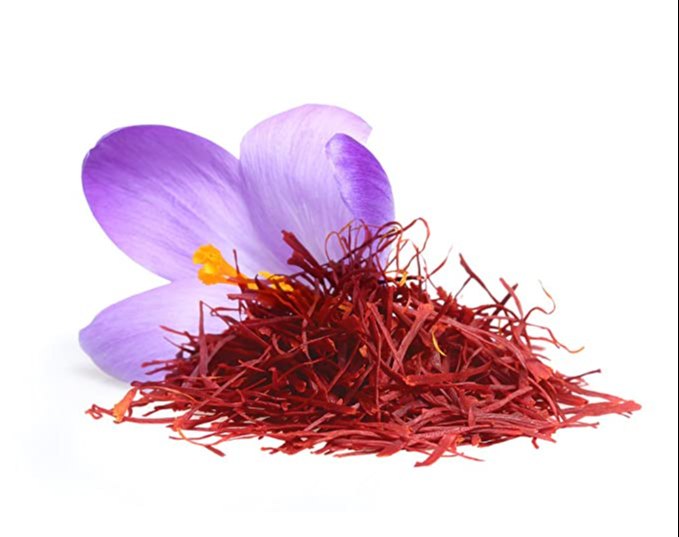
In the world of culinary delights, there exists a spice so precious and expensive that it is often compared to gold. This is saffron, a spice derived from the flower of Crocus sativus, commonly known as the saffron crocus. Renowned for its distinctive taste, vibrant color, and myriad health benefits, saffron is the most expensive spice in the world by weight. Its value is not just monetary; it is a testament to the labor-intensive process of its cultivation and the myriad ways it enhances dishes across the globe.

The Cultivation of Saffron: A Labor of Love

The high cost of saffron is directly linked to the painstaking process of its cultivation. Each saffron crocus flower produces only three stigmas, the thread-like parts of the flower that are used as the spice. These stigmas must be hand-picked, a task that requires precision and care. It takes approximately 75,000 saffron crocus flowers and a significant amount of labor to produce just one pound of saffron. This labor-intensive process contributes to its high price, making it a luxury item in the culinary world.

A Glimpse into History

Saffron’s history is as rich as its flavor. It has been used for over 3,500 years, with its origins traced back to ancient Mesopotamia. Throughout history, saffron has been associated with royalty and has been used in religious rituals, as a dye, in medicine, and, of course, in cuisine. The spice has journeyed across continents, finding its place in the kitchens of Europe, Asia, and the Middle East, each region developing its unique ways of incorporating saffron into their dishes.

Culinary Uses: A Burst of Flavor and Color

Saffron’s unique taste, often described as a combination of earthy, floral, and slightly metallic notes, makes it a prized ingredient in many dishes. Its deep red color is equally valued, used to impart a rich hue to foods ranging from risottos and paellas to biryanis and sweets like baklava and halva. In addition to its culinary uses, saffron is also used to color and flavor a variety of spirits and liqueurs.

Health Benefits: Beyond Culinary Delight

Beyond its culinary applications, saffron is celebrated for its health benefits. It is rich in antioxidants and has been studied for its potential to improve mood, reduce PMS symptoms, and enhance memory and learning. Some research also suggests that saffron may have anticancer properties and could be beneficial in treating symptoms of depression.

The Global Saffron Trade

Today, Iran is the world’s largest producer of saffron, followed by India and Spain. Despite its high cost, the demand for saffron remains strong, driven by its unique qualities and the growing interest in its health benefits. The global saffron trade is a testament to the spice’s enduring appeal, with aficionados willing to pay a premium for the genuine article.

Conclusion

Saffron’s status as a spice worth its weight in gold is well-deserved. Its cultivation is a testament to human ingenuity and perseverance, its history a tapestry of cultures and civilizations, and its culinary and health benefits a gift to be cherished. For those who have experienced the transformative power of saffron in their dishes, there is no doubt that this spice is truly priceless.