10 Makanan Penunda Lapar untuk Bantu Diet Lebih Lancar

rec-dev.com – Salah satu tantangan terbesar saat diet adalah rasa lapar yang muncul di waktu-waktu tak terduga. Kadang baru satu jam setelah makan, perut udah mulai bunyi lagi. Kalau nggak tahan, godaan camilan tinggi kalori bisa bikin semua perjuangan sia-sia.

Padahal, ada lho makanan-makanan yang bisa bantu menunda lapar lebih lama. Mereka biasanya tinggi serat, protein, atau air yang bikin perut kenyang dan nafsu makan lebih terkontrol. Nah, di artikel ini aku bakal bahas 10 makanan penunda lapar yang bisa kamu masukkan ke menu diet harian biar dietmu makin lancar dan nggak terasa menyiksa.

1. Telur

Telur adalah sumber protein yang sangat baik dan sangat cocok buat diet. Selain mengandung protein tinggi, telur juga kaya nutrisi penting seperti vitamin D dan kolin. Telur bisa bikin kamu kenyang lebih lama karena dicerna lebih lambat oleh tubuh.

Makan dua butir telur rebus di pagi hari bisa bantu kamu tahan lapar sampai siang tanpa perlu ngemil. Simpel dan praktis!

2. Oatmeal

Oatmeal kaya akan serat larut yang akan mengembang di perut dan menciptakan rasa kenyang lebih lama. Selain itu, oatmeal juga memiliki indeks glikemik rendah, yang artinya tidak menyebabkan lonjakan gula darah drastis.

Coba konsumsi oatmeal tanpa tambahan gula berlebih, dan tambahkan potongan buah atau kayu manis biar rasanya tetap menarik tanpa mengganggu program diet kamu.

3. Alpukat

Meskipun tinggi lemak, alpukat mengandung lemak sehat (lemak tak jenuh tunggal) yang baik untuk tubuh dan membantu menunda lapar. Lemaknya juga bikin proses pencernaan lebih lambat sehingga rasa kenyang bertahan lebih lama.

Kamu bisa mengonsumsinya sebagai topping roti gandum, campuran salad, atau langsung makan setengah buah alpukat dengan sedikit garam dan perasan lemon.

4. Greek Yogurt

Greek yogurt mengandung lebih banyak protein dibanding yogurt biasa dan cenderung rendah gula, terutama kalau kamu pilih yang plain. Kandungan proteinnya bisa membantu mengontrol hormon rasa lapar dan bikin kamu kenyang lebih lama.

Kamu bisa jadikan greek yogurt sebagai sarapan, camilan sore, atau campuran smoothies. Tambahkan potongan buah segar untuk rasa yang lebih nikmat dan tetap sehat.

5. Kacang Almond

Kacang almond kaya akan protein, serat, dan lemak sehat. Dalam porsi kecil, almond bisa bikin kamu kenyang dan memberi energi tanpa membuat berat badan naik drastis. Tapi ingat, makan secukupnya ya—sekitar 10–15 butir saja udah cukup.

Almond juga cocok jadi camilan on-the-go karena praktis dan nggak perlu diolah dulu. Simpan aja di toples kecil biar bisa dibawa ke mana-mana.

6. Sayuran Hijau

Sayuran seperti bayam, brokoli, dan kale mengandung banyak serat dan air, tapi rendah kalori. Kombinasi ini bikin perut terasa kenyang tanpa bikin berat badan naik. Plus, kandungan mikronutrisi di dalamnya sangat baik untuk pencernaan dan metabolisme.

Kamu bisa mengolah sayuran hijau jadi tumisan, salad, atau smoothies. Di rec-dev.com, kita percaya bahwa makin banyak warna hijau di piringmu, makin sehat tubuhmu.

7. Ubi Rebus

Ubi mengandung karbohidrat kompleks yang lebih lambat dicerna dibanding nasi putih atau roti. Ini bikin energi kamu stabil lebih lama dan rasa kenyang bertahan hingga beberapa jam.

Ubi juga punya rasa manis alami, jadi bisa jadi camilan sehat buat kamu yang suka rasa manis tapi pengin tetap diet. Rebus atau kukus lebih baik daripada digoreng, biar kalorinya tetap rendah.

8. Chia Seed

Chia seed bisa menyerap air hingga 10 kali beratnya, sehingga bisa mengembang dalam perut dan memberi rasa kenyang lebih lama. Selain itu, chia juga mengandung serat, protein, dan omega-3 yang baik untuk kesehatan.

Kamu bisa mencampurkan chia ke dalam air, jus, atau buat puding chia dengan susu rendah lemak dan buah segar. Rasanya enak dan bikin kenyang lebih lama.

9. Apel

Buah satu ini punya kandungan serat tinggi terutama di kulitnya. Serat dalam apel membantu memperlambat proses pencernaan dan memberi efek kenyang lebih lama. Selain itu, apel rendah kalori dan tinggi air, jadi cocok banget buat kamu yang lagi diet.

Apel bisa jadi camilan pagi atau sore, dan paling enak dimakan utuh tanpa dikupas. Praktis, murah, dan sehat.

10. Edamame

Edamame alias kedelai muda adalah sumber protein nabati yang sangat mengenyangkan. Selain tinggi serat dan protein, edamame juga punya kandungan zat besi dan magnesium yang bagus buat energi harian.

Rebus edamame sebentar, taburi sedikit garam laut, dan jadikan camilan sore atau tambahan dalam salad. Rasanya gurih dan bikin puas!

Tips Tambahan agar Diet Makin Lancar

  • Minum air putih sebelum makan, karena kadang rasa lapar itu cuma haus.

  • Kunyah makanan perlahan, biar otak sempat menerima sinyal kenyang.

  • Jaga waktu makan tetap teratur, jangan nunggu kelaparan baru makan.

  • Hindari camilan tinggi gula dan garam, karena cuma bikin kenyang sebentar dan bikin nagih.

  • Catat makanan harian agar kamu sadar apa yang udah masuk ke tubuhmu.

Penutup

Menjaga diet tetap berjalan lancar bukan berarti harus menahan lapar terus-terusan. Justru dengan memilih makanan penunda lapar yang tepat, kamu bisa tetap kenyang, puas, dan nggak gampang tergoda makanan tinggi kalori. Kuncinya ada pada kesadaran memilih jenis makanan dan mendengarkan sinyal tubuh.

Semoga daftar 10 makanan dari rec-dev.com ini bisa bantu kamu tetap semangat jalani program diet tanpa harus merasa tersiksa. Yuk, mulai isi kulkasmu dengan pilihan makanan yang bisa bantu kamu kenyang lebih lama dan tetap sehat!

The Diet of Beluga Whales: A Varied Feast Beneath the Ice

rec-dev.com – Beluga whales (Delphinapterus leucas), also known as white whales, are fascinating marine mammals that inhabit the cold Arctic and sub-Arctic waters. Known for their striking white color and highly vocal nature, belugas are opportunistic feeders with a diverse diet that reflects their adaptable nature and the harsh environments they live in. As skilled hunters, belugas feed on a wide variety of marine organisms, from fish to invertebrates. This article explores the feeding habits, prey choices, and ecological role of beluga whales in their icy habitats.

The Beluga Whale Diet: A Versatile Approach to Feeding

Beluga whales have a varied diet, which allows them to survive in the changing conditions of the Arctic environment. Their diet can shift depending on the season, region, and availability of prey. Unlike some specialized marine predators, belugas are opportunistic feeders, meaning they will consume whatever prey is most abundant and accessible.

1. Fish: A Staple of the Beluga Whale Diet

  • One of the primary food sources for belugas is fish, and their diet often includes species that thrive in cold, Arctic waters. Belugas are particularly fond of cod, including the Arctic cod and saffron cod, as well as salmon, herring, smelt, and flounder.
  • Belugas use their sophisticated echolocation abilities to find fish even in murky or ice-covered waters. They rely on sound to detect the location of schools of fish and to navigate their hunting grounds.

2. Crustaceans and Other Invertebrates

  • In addition to fish, beluga whales feed on a variety of crustaceans and invertebrates. This includes shrimp, crabs, and prawns, which they forage for in both shallow coastal waters and deep underwater environments.
  • Belugas often dive to the seafloor to search for benthic (bottom-dwelling) prey such as worms, mollusks, and clams. This behavior is known as benthic feeding, and it involves using their flexible necks and suction-feeding technique to capture prey hiding in the sediment.

3. Squid and Octopus

  • Cephalopods such as squid and octopus also make up a significant part of the beluga whale’s diet, particularly in deeper waters where these creatures are more abundant. Belugas will dive to considerable depths to catch squid, using their acute senses to locate and capture these elusive prey items.
  • Squid and octopus are rich in nutrients, providing essential proteins and fats for belugas, especially during the colder months when other food sources may be less available.

4. Seasonal Feeding Patterns

  • Beluga whales exhibit seasonal feeding behaviors that are closely tied to the migration patterns of their prey. For example, during the summer months, belugas move to warmer coastal waters where fish like salmon and capelin are plentiful.
  • In the winter, belugas may shift to deeper waters where they can hunt squid, crustaceans, and benthic invertebrates. Their ability to dive to depths of over 1,000 feet allows them to access prey that other marine mammals cannot.

Feeding Techniques and Adaptations

Belugas have several unique adaptations that make them highly effective hunters in the challenging conditions of the Arctic. Their physical features, combined with their intelligence and social behavior, allow them to locate and capture a wide range of prey.

1. Echolocation: A Critical Hunting Tool

  • Belugas are known for their advanced use of echolocation, a biological sonar system that allows them to navigate and hunt in dark or murky waters. By emitting a series of clicks and listening for the echoes that bounce back from objects, belugas can determine the size, shape, and distance of potential prey.
  • This ability is particularly useful in the Arctic, where ice and darkness can obscure visibility. Echolocation enables belugas to hunt efficiently even in conditions where sight is limited.

2. Suction Feeding

  • Beluga whales use a specialized method of hunting known as suction feeding. Instead of capturing prey with their teeth, they create a vacuum by retracting their tongues and rapidly expanding their throats, pulling the prey into their mouths.
  • This technique is especially useful when foraging for small fish, invertebrates, and benthic prey in the sediment. Suction feeding allows belugas to target specific prey items without needing to chase them over long distances.

3. Diving and Flexibility

  • Belugas are capable of diving to great depths—up to 2,000 feet—to search for prey in deeper waters. Their ability to dive and hold their breath for extended periods gives them access to food sources that are out of reach for many other Arctic predators.
  • Additionally, belugas have a unique physiological trait: a flexible neck. This flexibility allows them to move their heads independently of their bodies, which is particularly advantageous when searching for prey along the ocean floor or within crevices in ice or rock.

Ecological Role of Beluga Whales

Beluga whales play an important role in the Arctic marine ecosystem, both as predators and as prey for larger predators such as polar bears and orcas. Their feeding habits help regulate the populations of fish and invertebrates, contributing to the overall health of the ecosystem.

1. Top-Down Predator

  • As a top-down predator, belugas help maintain the balance of fish and invertebrate populations. By preying on species such as cod and shrimp, they prevent overpopulation, which could lead to imbalances in the food web.
  • The diet of belugas is diverse, which means they do not overly depend on any one species. This flexibility helps prevent overfishing of any particular prey species and promotes biodiversity in the Arctic.

2. Prey for Apex Predators

  • Although belugas are skilled hunters, they are also prey for larger predators, particularly orca whales and polar bears. Orcas are known to hunt belugas in packs, particularly in areas where ice cover is limited, while polar bears may ambush belugas trapped in shallow waters or near ice floes.
  • The predation of belugas by these apex predators plays a role in regulating beluga populations and contributes to the overall dynamics of Arctic ecosystems.

Threats to Beluga Whale Feeding Habits

Despite their adaptability, beluga whales face numerous threats that impact their ability to feed and thrive in their natural habitats. Many of these threats are tied to human activities and environmental changes in the Arctic.

1. Climate Change and Habitat Loss

  • Climate change is one of the biggest threats to beluga whales, as the melting of Arctic sea ice disrupts their feeding grounds. The reduction in sea ice leads to changes in the distribution of prey species, which may force belugas to travel further or dive deeper to find food.
  • Additionally, warming waters can lead to shifts in the availability of certain prey species, such as Arctic cod, which prefer colder waters.

2. Pollution and Contaminants

  • Pollution from industrial activities, including the release of heavy metals and chemical contaminants, can accumulate in the Arctic food chain and impact beluga health. Belugas that consume contaminated fish or invertebrates may suffer from immune system suppression, reproductive issues, and increased mortality.
  • In some regions, belugas have been found with high levels of pollutants like mercury and PCBs in their tissues, which are passed up the food chain from the prey they consume.

3. Human Activities and Disturbance

  • Human activities, such as shipping, offshore drilling, and commercial fishing, can disrupt beluga feeding areas. Increased ship traffic in Arctic waters can lead to noise pollution, which interferes with beluga echolocation and makes hunting more difficult.
  • Overfishing of key prey species, such as cod and shrimp, can also reduce the food available to belugas, leading to nutritional stress and reduced reproductive success.

Conservation Efforts for Beluga Whales

Conservation efforts aimed at protecting beluga whale populations focus on preserving their natural habitats, reducing pollution, and ensuring sustainable prey populations.

1. Protected Marine Areas

  • Establishing marine protected areas (MPAs) in key beluga feeding and breeding grounds is essential for safeguarding their food sources and habitats. These protected zones limit human activities, such as commercial fishing and shipping, that can disrupt beluga feeding behaviors.

2. Pollution Control

  • Efforts to reduce pollution in Arctic waters, particularly the regulation of harmful chemicals and waste from industrial activities, are critical for ensuring that beluga prey species remain healthy and uncontaminated.

3. Climate Change Mitigation

  • Addressing the broader issue of climate change is essential for protecting beluga whales and their prey. International efforts to reduce greenhouse gas emissions and mitigate the impacts of global warming are crucial for preserving the Arctic ecosystem and ensuring that belugas can continue to find the food they need.

Conclusion

Beluga whales are versatile and opportunistic feeders, with a diet that includes fish, crustaceans, squid, and benthic invertebrates. Their adaptability to changing environmental conditions and their unique hunting techniques, such as echolocation and suction feeding, make them highly effective predators in the Arctic. However, belugas face numerous threats to their feeding habits, including climate change, pollution, and habitat disturbance.

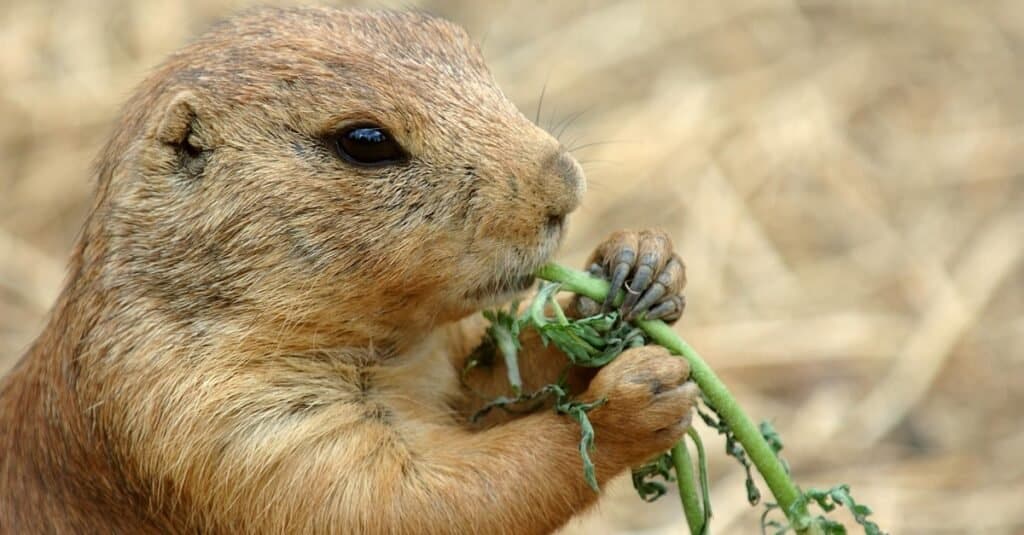
Prairie Dog Food: The Diet of These Social Herbivores

rec-dev.com – Prairie dogs, named for their distinctive bark-like call, are small burrowing rodents found in the grasslands of North America. As highly social animals, they live in colonies and spend much of their time foraging for food to sustain their active lifestyles. Prairie dogs play a crucial role in their ecosystems, helping to shape the landscape by grazing on vegetation, which in turn influences plant biodiversity. Understanding the diet of prairie dogs is key to understanding their role in their environment and their survival. This article provides an in-depth look into what prairie dogs eat, how their feeding habits change with the seasons, and what foods are suitable for them in captivity.

1. Prairie Dog Diet Overview: Primarily Herbivorous

Prairie dogs are primarily herbivores, meaning they feed on a plant-based diet consisting mostly of grasses, herbs, and occasionally roots. However, like many other rodents, they can be opportunistic feeders, occasionally consuming insects or other small animals when plant food is scarce. Their diet is finely tuned to their prairie habitat, where they have access to a variety of grasses and plants.

Key Components of a Prairie Dog’s Diet:

  • Grasses: The primary and most important part of their diet.
  • Herbs and flowers: Provide additional nutrients and variety.
  • Seeds and grains: Consumed for energy, especially before hibernation.
  • Roots and bulbs: Eaten when other food is scarce.
  • Insects: Occasionally eaten for extra protein.

While prairie dogs are herbivores by nature, they can adapt their diet to the resources available in their environment.

2. Grasses: The Staple of Prairie Dog Nutrition

Grasses are the most important and abundant food source for prairie dogs, making up the bulk of their diet. These grasses provide essential fiber, carbohydrates, and nutrients that prairie dogs need to maintain their health and energy levels. Because prairie dogs are grazing animals, they spend a significant portion of their day feeding on the grass around their burrows.

Common Grasses Eaten by Prairie Dogs:

  • Buffalo grass: A common grass in prairie habitats that prairie dogs feed on.
  • Blue grama grass: Another key grass species that prairie dogs graze on.
  • Western wheatgrass: An important food source for prairie dogs in the wild.
  • Fescue and other meadow grasses: Prairie dogs also eat a variety of grasses found in their grassland environments.

These grasses are rich in fiber and are easily digestible for prairie dogs, providing them with the necessary energy to sustain their busy lives.

3. Herbs and Flowers: A Nutrient-Rich Addition

In addition to grasses, prairie dogs also feed on a variety of herbs and flowers. These plants add diversity to their diet and provide essential vitamins and minerals. The availability of herbs and flowers varies with the season, but prairie dogs take full advantage of these plants when they are in bloom.

Common Herbs and Flowers Eaten by Prairie Dogs:

  • Dandelions: Prairie dogs enjoy both the leaves and flowers of dandelions, which are rich in vitamins.
  • Clover: Clover is another favored plant that provides additional nutrients.
  • Yarrow: Found in grasslands, yarrow adds variety to a prairie dog’s diet.
  • Sunflowers: Prairie dogs may eat the seeds and leaves of sunflower plants.

These herbs and flowers not only enhance the prairie dog’s diet but also contribute to their health by providing essential nutrients.

4. Seeds and Grains: Energy-Dense Foods

Seeds and grains are another important part of a prairie dog’s diet, especially as they prepare for hibernation or periods of inactivity. These foods provide concentrated energy and are rich in fats and carbohydrates, which help prairie dogs build up fat reserves for the winter months.

Common Seeds and Grains Eaten by Prairie Dogs:

  • Sunflower seeds: Prairie dogs may forage for sunflower seeds when available.
  • Wheat seeds: Found in grasslands, these provide energy for prairie dogs.
  • Other wild seeds: Prairie dogs eat a variety of seeds found in their environment.

While seeds and grains are not the primary food source, they are valuable during certain times of the year when prairie dogs need extra energy.

5. Roots and Bulbs: Survival Foods in Harsh Conditions

During times of food scarcity, such as in winter or periods of drought, prairie dogs may dig for roots and bulbs to supplement their diet. These foods provide essential nutrients and can help prairie dogs survive when grasses and other vegetation are not readily available.

Common Roots and Bulbs Eaten by Prairie Dogs:

  • Prairie turnip: A starchy tuber that prairie dogs may dig up during the winter months.
  • Grass roots: Prairie dogs will eat the roots of grasses when above-ground vegetation is scarce.
  • Bulbs of flowering plants: Occasionally, prairie dogs will consume the underground bulbs of plants they typically eat above ground.

These foods are more difficult to obtain but serve as a crucial food source when other options are limited.

6. Insects and Animal Matter: Occasional Protein

While prairie dogs are primarily herbivores, they are known to occasionally eat insects and small animals. This typically happens when plant food is scarce or when they need additional protein, such as during the breeding season.

Common Animal Foods for Prairie Dogs:

  • Grasshoppers and crickets: Insects that prairie dogs may consume for protein.
  • Beetles: Found in their natural habitat, prairie dogs will eat beetles if they encounter them.
  • Small animals: In rare cases, prairie dogs have been observed eating small rodents or birds.

Animal matter is not a significant part of their diet but can provide essential protein in times of need.

7. Hibernation and Seasonal Feeding Behavior

Prairie dogs are known for their complex social structure and communal living, but their feeding behavior is also influenced by the seasons. Although not true hibernators, prairie dogs enter a state of torpor during the colder months, significantly reducing their activity and food intake. However, before this period, they must consume enough food to store fat and energy to survive the winter.

Seasonal Feeding Patterns:

  • Spring and Summer: Prairie dogs focus on eating fresh grasses, herbs, and flowers when they are abundant.
  • Late Summer and Fall: As winter approaches, prairie dogs increase their intake of energy-rich seeds, grains, and roots to build up fat reserves.
  • Winter: Prairie dogs reduce their activity and food consumption, relying on their fat reserves and occasionally foraging for roots or bulbs when necessary.

Understanding these seasonal shifts in feeding behavior is important for both their survival in the wild and their care in captivity.

8. Prairie Dog Feeding in Captivity

If you are caring for prairie dogs in captivity, it’s essential to provide a diet that mimics their natural food sources as closely as possible. Fresh grasses, leafy greens, and a variety of vegetables should make up the bulk of their diet. Occasional treats of seeds, fruits, or flowers can be added for variety, but these should be limited to avoid overfeeding.

Recommended Foods for Captive Prairie Dogs:

  • Fresh grasses: Timothy hay, bluegrass, and other grasses are excellent options.
  • Leafy greens: Lettuce, kale, and dandelion greens should be included.
  • Vegetables: Carrots, sweet potatoes, and cucumbers are good additions.
  • Seeds and grains: Sunflower seeds and grains like wheat can be offered in small amounts.
  • Fruits: Small amounts of apples or berries can be given as occasional treats.

It’s important to provide fresh water at all times and avoid processed or sugary foods, as these can negatively impact the health of prairie dogs in captivity.

9. Conclusion

Prairie dogs are primarily herbivores, thriving on a diet of grasses, herbs, flowers, and seeds. Their feeding habits are closely tied to the seasons, with changes in food availability prompting them to adjust their diet throughout the year. In times of scarcity, prairie dogs may dig for roots or even consume small amounts of animal matter to meet their nutritional needs. Whether in the wild or captivity, a balanced, plant-based diet is essential for their health and well-being.

Understanding the dietary needs of prairie dogs not only helps in conserving their natural habitats but also ensures they receive proper care in captivity. By providing the right foods and mimicking their natural feeding behaviors, prairie dogs can lead healthy, active lives.