Exploring Sate Lilit: Balinese Minced Seafood Satay

rec-dev.com – Sate Lilit is a beloved Balinese dish that showcases the vibrant flavors of Indonesia’s tropical paradise. Unlike other types of satay, which typically feature chunks of meat skewered on sticks, Sate Lilit consists of minced seafood or meat mixed with an array of aromatic spices, wrapped around a stick of lemongrass or bamboo. This unique preparation method is a testament to the creativity and rich culinary traditions of Bali.

The Cultural Significance of Sate Lilit

In Bali, Sate Lilit is more than just a dish; it is an integral part of religious ceremonies and traditional celebrations. Often served during festivals and family gatherings, it reflects the island’s communal spirit and the importance of sharing meals. The dish is a staple in Balinese cuisine, offering a taste of local culture and hospitality.

Ingredients and Preparation

Sate Lilit is typically made from minced seafood, such as fish or prawns, although chicken or pork can also be used. The minced meat is combined with grated coconut, coconut milk, lime leaves, shallots, garlic, ginger, turmeric, and chili, creating a fragrant and flavorful mixture. The blend is then wrapped around skewers of lemongrass or bamboo, infusing the satay with a subtle citrus aroma during grilling.

The preparation of Sate Lilit is a communal activity, often involving family members or friends who gather to mix the ingredients and shape the satays. This collaborative cooking process is a cherished tradition, reinforcing social bonds and family ties.

Variations and Serving Suggestions

While the traditional Sate Lilit uses seafood, variations abound, allowing for the use of other proteins or even vegetarian ingredients like tofu or tempeh. The satays are typically grilled over an open flame, imparting a smoky flavor that complements the aromatic spices.

Sate Lilit is often served with a side of sambal (a spicy chili paste) and a portion of nasi campur (mixed rice). The combination of flavors and textures makes for a satisfying and balanced meal.

The Global Appeal of Sate Lilit

As Balinese cuisine continues to gain popularity worldwide, Sate Lilit has emerged as a favorite among food enthusiasts seeking authentic Indonesian flavors. Its unique preparation and delightful taste make it a standout dish that captures the essence of Bali’s culinary heritage.

Conclusion

Sate Lilit is a testament to the rich cultural and culinary traditions of Bali. Its aromatic spices, unique preparation, and communal cooking process make it a dish that is not only delicious but also steeped in cultural significance. Whether enjoyed in Bali or recreated in kitchens around the world, Sate Lilit offers a taste of the island’s vibrant and hospitable spirit.

Exploring the Eerie Realms of “The Twilight Zone”

rec-dev.com – “The Twilight Zone” is a legendary television series that has captivated audiences for decades with its unique blend of science fiction, horror, and social commentary. Created by Rod Serling, the show first aired in 1959 and quickly became a cultural phenomenon, influencing countless writers, filmmakers, and television creators. Its enduring appeal lies in its ability to explore the human condition through the lens of the supernatural and the unexplainable.

The Genius of Rod Serling

At the heart of “The Twilight Zone” was Rod Serling, a visionary writer and producer who used the show as a platform to tackle complex themes such as racism, war, and the dangers of conformity. Serling’s skillful storytelling and his knack for crafting twist endings left a lasting impact on the world of television. His narration at the beginning and end of each episode, often accompanied by the iconic theme music, became synonymous with the show’s eerie atmosphere and thought-provoking content.

Iconic Episodes and Themes

“The Twilight Zone” is renowned for its standalone episodes, each with its own unique story and moral. Some of the most memorable episodes include “Time Enough at Last,” where a bank teller finds himself alone in a post-apocalyptic world with nothing but books to keep him company, only to break his glasses; and “The Monsters Are Due on Maple Street,” which explores the destructive nature of fear and paranoia among neighbors.

The series frequently delved into themes of isolation, the consequences of human actions, and the thin line between reality and illusion. It also played with concepts such as time travel, alternate realities, and the existence of extraterrestrial life, often leaving viewers questioning their own perceptions of the world.

Legacy and Influence

“The Twilight Zone” has left an indelible mark on popular culture, inspiring numerous adaptations, including movies, a radio series, and several revivals of the television show. The most recent revival, which premiered in 2019, pays homage to the original while introducing new stories for a modern audience.

The show’s influence extends beyond television, with its themes and storytelling techniques echoed in various forms of media. It has become a symbol of the power of speculative fiction to challenge societal norms and provoke thought.

Conclusion

“The Twilight Zone” remains a testament to the enduring appeal of thought-provoking, boundary-pushing television. Rod Serling’s creation has not only stood the test of time but has also set a standard for storytelling that continues to inspire. As we look back on the series, we are reminded of the importance of questioning the world around us and the impact that a single, creative voice can have on the collective imagination.

From Falafel to Kebabs: Exploring Turkish Street Eats

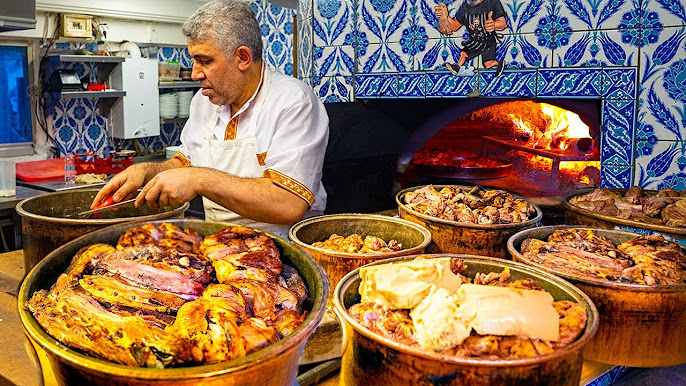
rec-dev.com – The vibrant streets of Turkey are not only alive with the sounds of bustling markets and the sights of historical architecture but also with the tantalizing aromas of street food. Turkish cuisine, a melting pot of flavors from the East and West, offers a plethora of street eats that cater to every palate. From the humble falafel to the iconic kebabs, this article delves into the world of Turkish street food, uncovering the secrets behind its popularity and the unique tastes that define it.

The Humble Falafel: A Middle Eastern Gem in Turkish Streets

Falafel, though originating from the Middle East, has found a welcoming home on the streets of Turkey. These deep-fried balls or patties made from ground chickpeas or fava beans, mixed with herbs and spices, are a vegetarian delight. Served in a pita bread with a variety of toppings such as tahini sauce, tomatoes, cucumbers, and pickled turnips, falafel is a testament to the cultural diversity that enriches Turkish cuisine.

The Iconic Kebabs: A Symphony of Meat and Flavor

No exploration of Turkish street eats would be complete without mentioning kebabs. The word “kebab” refers to a variety of grilled meat dishes, and in Turkey, it is an art form. From the Doner Kebab, where thinly sliced meat is stacked on a vertical spit and slowly roasted, to the Iskender Kebab, featuring tender slices of doner meat served over bread and a rich tomato sauce, kebabs are a carnivore’s paradise. The Adana Kebab, with its spicy minced meat skewers, and the Kofte, grilled meatballs, further showcase the diversity and skill involved in Turkish kebab-making.

Savory Simits: The Turkish Street Snack

Simits, the Turkish version of the pretzel, is a popular street snack that can be found at almost every corner. These sesame-covered rings of bread are not only a delicious treat but also a symbol of Turkish street culture. Often enjoyed with a cup of Turkish tea, simits are a simple yet satisfying snack that embodies the essence of Turkish street food.

Balancing Act: The Art of Döner Sandwiches

The Döner sandwich is a masterclass in balance and flavor. A soft pide (Turkish flatbread) is filled with slices of succulent doner meat, fresh vegetables like lettuce, tomatoes, and onions, and a drizzle of sauce, creating a harmonious blend of textures and tastes. This handheld meal is a favorite among locals and tourists alike, offering a quick yet satisfying dining experience.

Sweet Endings: Turkish Delight and Baklava

No meal is complete without dessert, and Turkish street food does not disappoint. Turkish Delight, a confection made from gelatinous sweetened and flavored water, often with added nuts, is a must-try. Baklava, layers of filo pastry filled with chopped nuts and sweetened with syrup or honey, is another sweet treat that showcases the richness of Turkish cuisine.

Conclusion

Turkish street food is a journey through the heart of the country’s culinary traditions. From the crispy falafel to the succulent kebabs, each bite tells a story of history, culture, and innovation. Whether you’re a seasoned foodie or a curious traveler, the streets of Turkey offer a feast for the senses that is not to be missed. So, the next time you find yourself wandering the bustling streets of Turkey, let your taste buds guide you on an adventure through the world of Turkish street eats.

Virtual Retail’s Untapped Potential: Shopping in the Metaverse

rec-dev.com – The dawn of the metaverse has heralded a new era in digital interaction, transforming the way we connect, entertain, and now, shop. Virtual retail within the metaverse is not just a novel concept but a burgeoning reality that promises to redefine consumer experiences. As we stand on the brink of this retail revolution, it’s imperative to explore the potential of shopping in the metaverse and its implications for both consumers and businesses.

The Metaverse: A New Shopping Destination
The metaverse is a collective virtual shared space created by the convergence of virtually enhanced physical and digital reality. It’s a realm where users can interact, work, and play in real-time, transcending the limitations of the physical world. Within this digital universe, virtual retail spaces are emerging as the next frontier of shopping, offering immersive and interactive experiences that were once the realm of science fiction.

Immersive Experiences: The New Gold Standard
One of the most compelling aspects of shopping in the metaverse is the level of immersion it offers. Unlike traditional e-commerce, where shopping is confined to a flat screen, virtual retail allows consumers to step into a 3D shopping environment. This not only enhances the shopping experience but also enables a deeper level of engagement with products. For instance, virtual reality (VR) and augmented reality (AR) technologies can allow shoppers to visualize products in their own space before making a purchase, effectively bridging the gap between online and offline shopping.

Customization and Personalization at Scale
The metaverse offers unprecedented opportunities for customization and personalization. Retailers can create bespoke shopping experiences tailored to individual preferences, making each shopping trip unique. From personalized avatars that reflect one’s style to custom-curated stores that showcase products based on past purchases and browsing history, the metaverse can deliver a level of personalization that is currently unattainable in physical or traditional online stores.

Social Shopping Reimagined
Shopping is inherently a social activity, and the metaverse amplifies this aspect by enabling real-time interactions with friends and like-minded shoppers. Virtual spaces can host shopping events, fashion shows, and product launches, fostering a sense of community and shared experience. This social dimension not only enhances the shopping experience but also opens up new avenues for brands to engage with their audience in meaningful ways.

Sustainability and Efficiency
Beyond the experiential benefits, shopping in the metaverse also offers practical advantages in terms of sustainability and efficiency. By reducing the need for physical stores and minimizing travel, virtual retail can significantly lower the carbon footprint associated with traditional shopping. Moreover, the metaverse can streamline the shopping process, from virtual try-ons that eliminate the need for returns to instant delivery of digital goods, thereby enhancing convenience and reducing waste.

Challenges and Considerations
While the potential of shopping in the metaverse is vast, it is not without its challenges. Issues such as digital divide, privacy concerns, and the need for robust infrastructure and standards are critical considerations. Additionally, retailers must navigate the complexities of creating engaging and accessible virtual spaces that cater to diverse audiences.

Conclusion:
Shopping in the metaverse represents a paradigm shift in retail, offering a glimpse into a future where digital and physical worlds converge. As technology continues to evolve, the potential for virtual retail to transform the shopping experience is limitless. For businesses, the metaverse presents an unparalleled opportunity to innovate and connect with consumers in new ways. For consumers, it promises a world of shopping where the only limits are the boundaries of imagination. As we venture further into this digital frontier, the metaverse could well become the ultimate shopping destination of the future.