rec-dev.com – The dawn of the metaverse has heralded a new era in digital interaction, transforming the way we connect, entertain, and now, shop. Virtual retail within the metaverse is not just a novel concept but a burgeoning reality that promises to redefine consumer experiences. As we stand on the brink of this retail revolution, it’s imperative to explore the potential of shopping in the metaverse and its implications for both consumers and businesses.
The Metaverse: A New Shopping Destination
The metaverse is a collective virtual shared space created by the convergence of virtually enhanced physical and digital reality. It’s a realm where users can interact, work, and play in real-time, transcending the limitations of the physical world. Within this digital universe, virtual retail spaces are emerging as the next frontier of shopping, offering immersive and interactive experiences that were once the realm of science fiction.
Immersive Experiences: The New Gold Standard
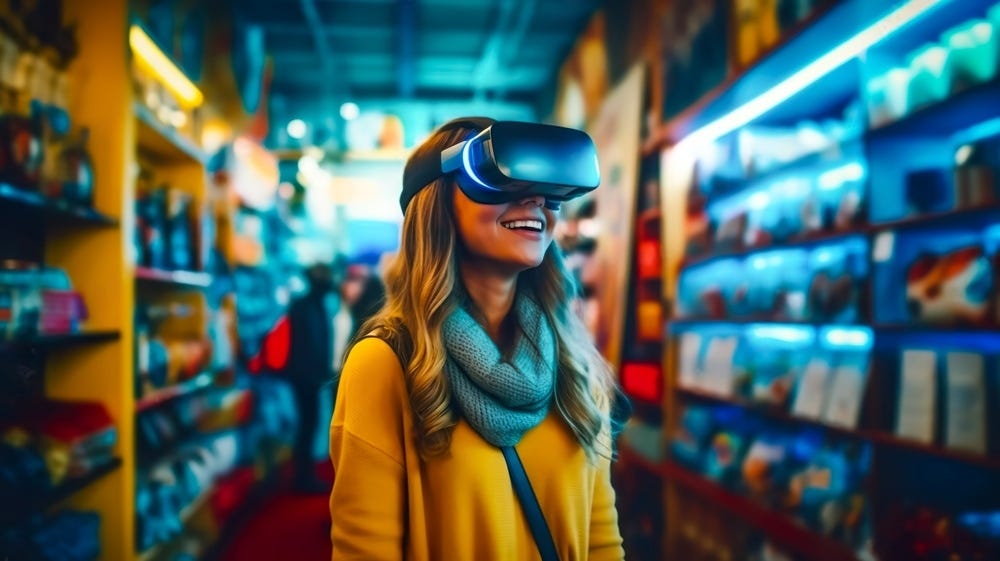
One of the most compelling aspects of shopping in the metaverse is the level of immersion it offers. Unlike traditional e-commerce, where shopping is confined to a flat screen, virtual retail allows consumers to step into a 3D shopping environment. This not only enhances the shopping experience but also enables a deeper level of engagement with products. For instance, virtual reality (VR) and augmented reality (AR) technologies can allow shoppers to visualize products in their own space before making a purchase, effectively bridging the gap between online and offline shopping.
Customization and Personalization at Scale
The metaverse offers unprecedented opportunities for customization and personalization. Retailers can create bespoke shopping experiences tailored to individual preferences, making each shopping trip unique. From personalized avatars that reflect one’s style to custom-curated stores that showcase products based on past purchases and browsing history, the metaverse can deliver a level of personalization that is currently unattainable in physical or traditional online stores.
Social Shopping Reimagined
Shopping is inherently a social activity, and the metaverse amplifies this aspect by enabling real-time interactions with friends and like-minded shoppers. Virtual spaces can host shopping events, fashion shows, and product launches, fostering a sense of community and shared experience. This social dimension not only enhances the shopping experience but also opens up new avenues for brands to engage with their audience in meaningful ways.
Sustainability and Efficiency
Beyond the experiential benefits, shopping in the metaverse also offers practical advantages in terms of sustainability and efficiency. By reducing the need for physical stores and minimizing travel, virtual retail can significantly lower the carbon footprint associated with traditional shopping. Moreover, the metaverse can streamline the shopping process, from virtual try-ons that eliminate the need for returns to instant delivery of digital goods, thereby enhancing convenience and reducing waste.
Challenges and Considerations
While the potential of shopping in the metaverse is vast, it is not without its challenges. Issues such as digital divide, privacy concerns, and the need for robust infrastructure and standards are critical considerations. Additionally, retailers must navigate the complexities of creating engaging and accessible virtual spaces that cater to diverse audiences.
Conclusion:
Shopping in the metaverse represents a paradigm shift in retail, offering a glimpse into a future where digital and physical worlds converge. As technology continues to evolve, the potential for virtual retail to transform the shopping experience is limitless. For businesses, the metaverse presents an unparalleled opportunity to innovate and connect with consumers in new ways. For consumers, it promises a world of shopping where the only limits are the boundaries of imagination. As we venture further into this digital frontier, the metaverse could well become the ultimate shopping destination of the future.