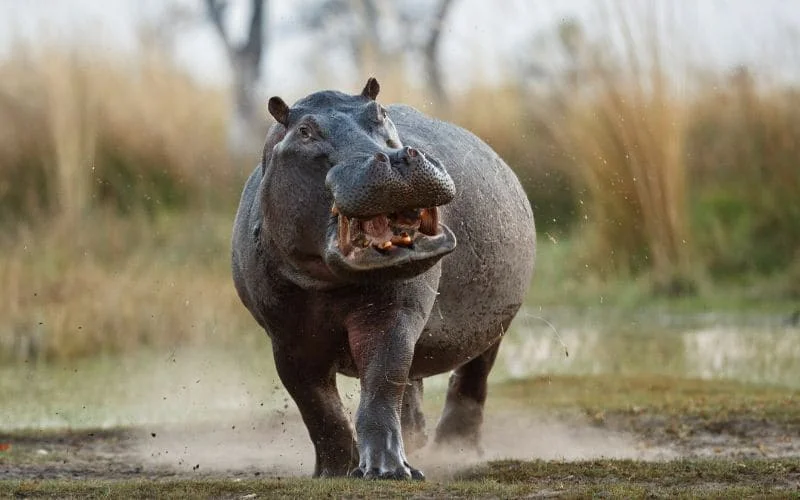
The Mighty Hippopotamus: A Gentle Giant

rec-dev.com – Hippopotamus, often simply called hippos, are massive, semi-aquatic mammals native to sub-Saharan Africa. They are among the largest land mammals, second only to elephants. These gentle giants spend most of their time in water, emerging onto land primarily to graze at night.

A Unique Lifestyle

Hippos are highly social animals, living in large herds. They are excellent swimmers and divers, capable of staying underwater for several minutes. Their thick, hairless skin helps to retain moisture and protect them from sunburn. Despite their bulky appearance, hippos are surprisingly agile on land, capable of running at speeds of up to 30 kilometers per hour.

A Dangerous Temper

While hippos may appear docile, they are territorial and aggressive, particularly during mating season. They are responsible for more human deaths in Africa than any other large mammal. Hippos have powerful jaws and sharp teeth, which they use to defend their territory and young.

A Vital Role in the Ecosystem

Hippos play a crucial role in their ecosystems. Their grazing habits help to maintain the health of grasslands, and their waste fertilizes the water bodies they inhabit. Additionally, their wallowing behavior creates waterholes, which are essential for other animals during the dry season.

Threats to Survival

Despite their abundance in the past, hippo populations have declined significantly due to habitat loss, poaching, and human-wildlife conflict. As human populations continue to grow, hippos are increasingly coming into conflict with people, leading to loss of life and habitat degradation.

Conservation Efforts

To protect hippos and their habitats, conservation organizations are working to address the threats they face. These efforts include habitat protection, anti-poaching measures, and community-based conservation programs. By raising awareness about the importance of hippos and supporting conservation initiatives, we can help to ensure their survival for future generations.

A Symbol of Africa

The hippopotamus is an iconic symbol of Africa, representing the continent’s rich biodiversity and natural beauty. By understanding the challenges faced by these magnificent creatures and taking action to protect them, we can help to preserve the delicate balance of the African ecosystem.
Monte Pissis: A Remote Andean Giant – A Technical Climb

rec-dev.com – Monte Pissis, a towering peak in the Andes mountain range, holds the distinction of being the third-highest mountain in the Western Hemisphere, reaching an altitude of 6,795 meters (22,293 feet). This remote and imposing volcano, located in Argentina, is a challenging but rewarding destination for experienced mountaineers.

A Remote and Rugged Peak

Monte Pissis is situated in a remote and arid region of the Andes, far from major population centers. This isolation contributes to its pristine beauty and challenging conditions. The mountain’s steep slopes, high altitude, and harsh climate make it a formidable adversary for even the most experienced climbers.

A Technical Climb

The most common route to the summit of Monte Pissis is the Normal Route, which ascends the mountain’s western flank. This route involves technical climbing, including glacier travel and steep snow slopes. Climbers must be well-equipped and experienced in high-altitude mountaineering to successfully summit this peak.

A Unique Ecosystem

The arid environment of the Andes, where Monte Pissis is located, limits the diversity of life on the mountain. However, some hardy species, such as vicuñas and Andean condors, can be found in the lower elevations.

A Cultural Icon

Monte Pissis, like many other Andean peaks, holds cultural significance for the indigenous communities that inhabit the region. The Inca people revered mountains as sacred sites, and many Andean peaks, including Monte Pissis, are still considered to be spiritually significant.

Monte Pissis is a testament to the power and beauty of the Andes. Its remote location, challenging terrain, and stunning scenery make it a truly unique and unforgettable destination. For those who are drawn to the adventure of high-altitude climbing, Monte Pissis offers a challenging and rewarding experience.

The Glacier-Clad Giant of Washington: Mount Rainier

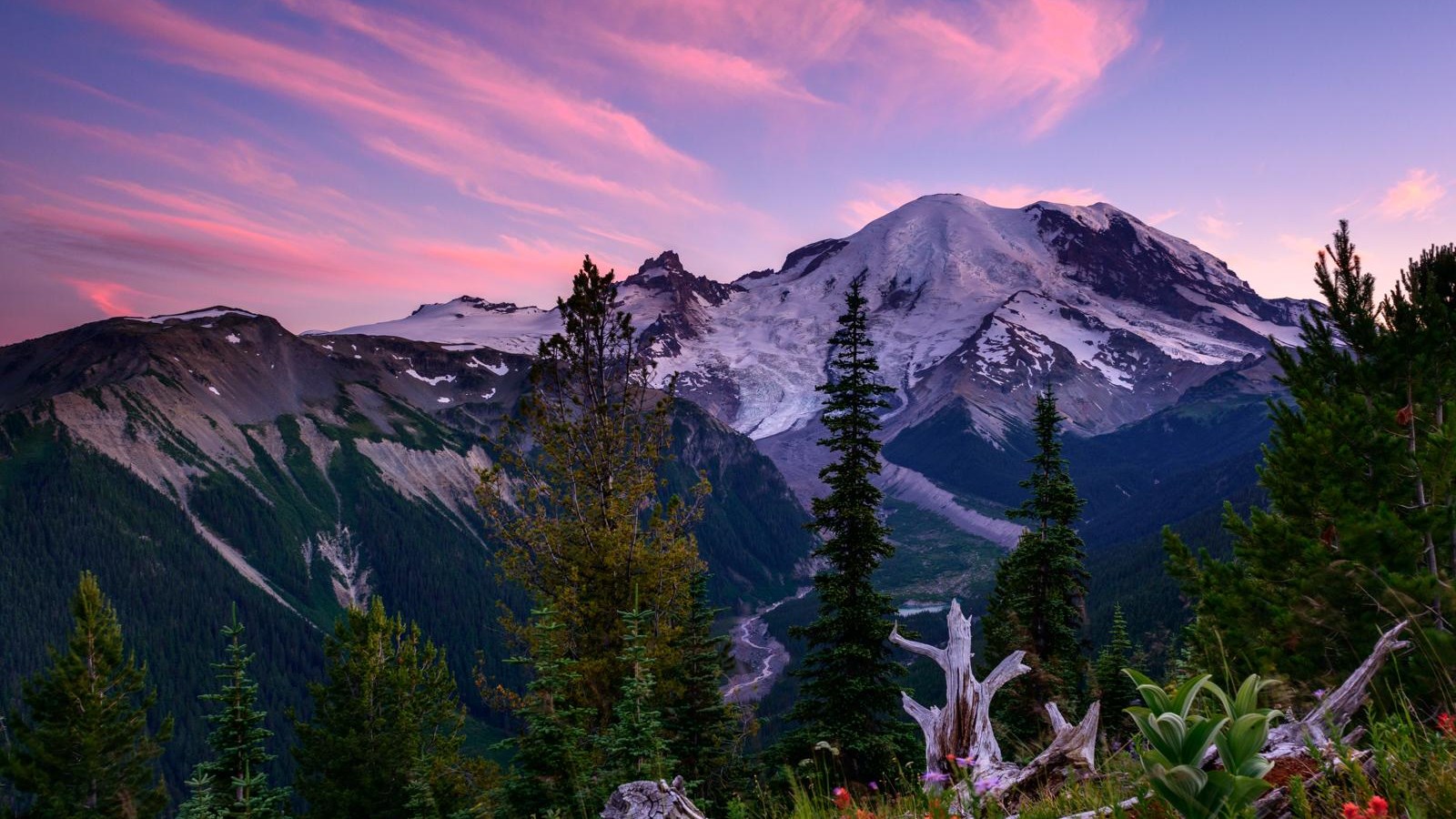
rec-dev.com – Nestled in the heart of the Pacific Northwest, Mount Rainier stands as a sentinel over the state of Washington, its snow-capped peak a beacon for adventurers and nature enthusiasts alike. This majestic stratovolcano, the most prominent mountain in the contiguous United States, is not only a symbol of natural beauty but also a testament to the raw power of the Earth. In this article, we will explore the wonders of Mount Rainier, from its geological origins to its significance in the cultural and recreational landscape of the region.

The Geological Marvel

Mount Rainier, also known as Tacoma by some Native American tribes, is an active stratovolcano that has been estimated to have last erupted over 100 years ago, around 1854. Its summit reaches an impressive height of 14,411 feet (4,392 meters) above sea level, making it the highest peak in the state of Washington. The mountain is part of the Cascade Range, a volcanic chain that stretches from British Columbia, Canada, down to California, USA.

The most striking feature of Mount Rainier is its mantle of ice and snow. The mountain hosts 26 named glaciers, the most of any peak in the contiguous United States. These glaciers, such as the Nisqually, Emmons, and Carbon, are fed by the abundant snowfall that the mountain receives, contributing to its status as one of the most heavily glaciated peaks in the world outside of the polar regions.

A Natural Wonderland

The presence of Mount Rainier has shaped the surrounding environment in profound ways. The mountain’s glaciers are a vital source of water for the region, feeding rivers and streams that support diverse ecosystems. The area around Mount Rainier is a haven for wildlife, with species such as black bears, cougars, elk, and marmots calling the region home.

Mount Rainier National Park, established in 1899, is one of the oldest national parks in the United States. The park encompasses 368 square miles (953 square kilometers) of pristine wilderness, offering visitors a chance to experience the natural beauty of the area. From the lush forests at the base of the mountain to the alpine meadows and tundra near the summit, the park provides a variety of habitats to explore.

Recreational Opportunities

Mount Rainier is a magnet for outdoor enthusiasts, offering a plethora of recreational activities. Hiking is one of the most popular pastimes, with trails ranging from easy nature walks to challenging climbs. The Wonderland Trail, a 93-mile (150-kilometer) loop around the mountain, is a favorite among backpackers, offering stunning views and diverse landscapes.

For those seeking a greater challenge, climbing to the summit of Mount Rainier is an exhilarating experience. Each year, thousands of climbers attempt to reach the top, guided by professional climbing services that operate in the park. The ascent requires physical fitness, technical skill, and a bit of bravery, as climbers navigate ice fields, crevasses, and changing weather conditions.

Other activities in the park include wildlife viewing, camping, snowshoeing, and skiing in the winter months. The park’s visitor centers and ranger talks provide educational opportunities to learn about the natural and cultural history of the area.

Cultural Significance

Mount Rainier holds a special place in the hearts of the local communities and indigenous peoples. For many Native American tribes, the mountain is a spiritual entity, revered for its beauty and power. The mountain’s influence extends to the broader population as well, with its image appearing on state flags, license plates, and in the logos of local businesses.

The mountain has also been the backdrop for numerous cultural events and artistic endeavors, from being featured in films and photography to inspiring music and literature. Its iconic silhouette is a symbol of the natural splendor of the Pacific Northwest.

Conclusion

Mount Rainier is more than just a mountain; it is a natural wonder that embodies the beauty and majesty of the Earth. Its glaciers, forests, and wildlife make it a unique destination for visitors from around the world. Whether you are an adventurer seeking to conquer its summit or a nature lover looking to experience its serene beauty, Mount Rainier offers something for everyone. As we continue to explore and appreciate this glacier-clad giant, it is important to remember the importance of preserving its natural environment for future generations to enjoy.