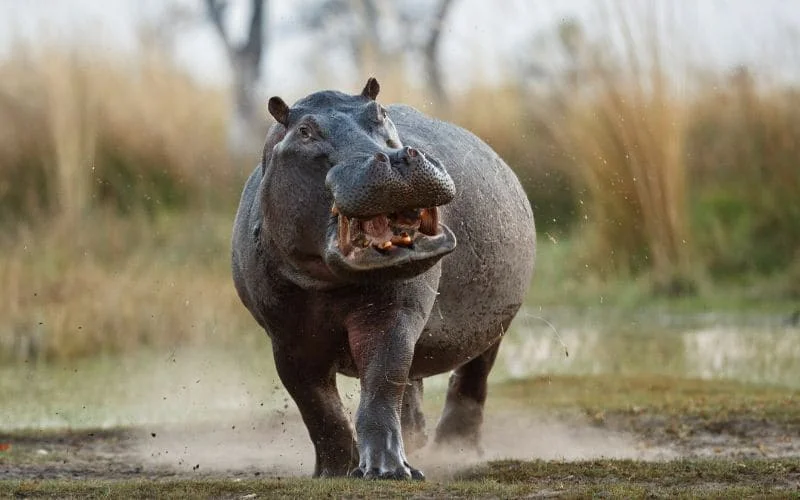
The Mighty Hippopotamus: A Gentle Giant

rec-dev.com – Hippopotamus, often simply called hippos, are massive, semi-aquatic mammals native to sub-Saharan Africa. They are among the largest land mammals, second only to elephants. These gentle giants spend most of their time in water, emerging onto land primarily to graze at night.

A Unique Lifestyle

Hippos are highly social animals, living in large herds. They are excellent swimmers and divers, capable of staying underwater for several minutes. Their thick, hairless skin helps to retain moisture and protect them from sunburn. Despite their bulky appearance, hippos are surprisingly agile on land, capable of running at speeds of up to 30 kilometers per hour.

A Dangerous Temper

While hippos may appear docile, they are territorial and aggressive, particularly during mating season. They are responsible for more human deaths in Africa than any other large mammal. Hippos have powerful jaws and sharp teeth, which they use to defend their territory and young.

A Vital Role in the Ecosystem

Hippos play a crucial role in their ecosystems. Their grazing habits help to maintain the health of grasslands, and their waste fertilizes the water bodies they inhabit. Additionally, their wallowing behavior creates waterholes, which are essential for other animals during the dry season.

Threats to Survival

Despite their abundance in the past, hippo populations have declined significantly due to habitat loss, poaching, and human-wildlife conflict. As human populations continue to grow, hippos are increasingly coming into conflict with people, leading to loss of life and habitat degradation.

Conservation Efforts

To protect hippos and their habitats, conservation organizations are working to address the threats they face. These efforts include habitat protection, anti-poaching measures, and community-based conservation programs. By raising awareness about the importance of hippos and supporting conservation initiatives, we can help to ensure their survival for future generations.

A Symbol of Africa

The hippopotamus is an iconic symbol of Africa, representing the continent’s rich biodiversity and natural beauty. By understanding the challenges faced by these magnificent creatures and taking action to protect them, we can help to preserve the delicate balance of the African ecosystem.
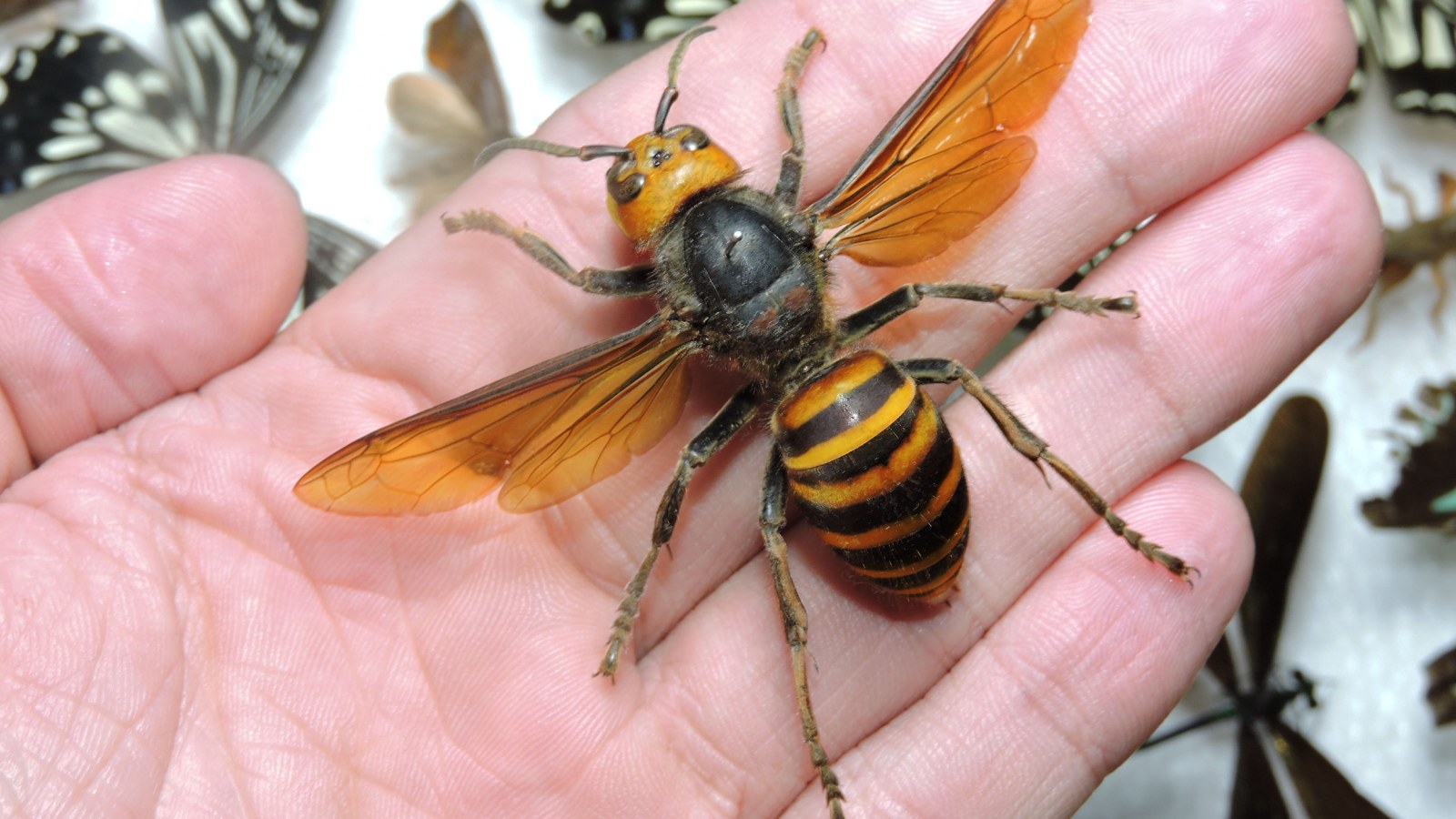
The Mighty Hornet: Impressive Size and Organization

rec-dev.com – Hornets, belonging to the genus Vespa, are among the largest and most formidable social wasps. Often feared for their size and potent sting, they are fascinating creatures with complex social structures and important ecological roles. This article delves into the world of hornets, exploring their biology, life cycle, social behavior, ecological significance, and interactions with humans.   

Physical Characteristics: Size and Distinctive Features

Hornets share characteristics with other wasps but possess some distinctive features:

  • Large Size: Hornets are generally larger than other common wasps, with some species reaching lengths of over 5 cm (2 inches).   
  • Robust Body: They have a robust body with a distinct “waist” (petiole) separating the thorax and abdomen.   
  • Coloration: Coloration varies depending on the species, but many hornets have black and yellow or black and white markings.   
  • Powerful Mandibles: They possess strong mandibles (jaws) used for capturing prey and building nests.   
  • Stinger: Like other female wasps, hornets have a stinger used for defense and paralyzing prey.   

Life Cycle: From Queen to Colony

Hornets, like other social wasps, have a complex life cycle:

  • Overwintering Queen: Only fertilized queens survive the winter, hibernating in sheltered locations.   
  • Nest Establishment: In the spring, the queen emerges and establishes a new nest, typically in a tree cavity, hollow log, or other protected location.   
  • Worker Production: The queen lays eggs and raises the first generation of workers.
  • Colony Growth: The workers take over nest building, foraging, and caring for the brood, allowing the queen to focus solely on egg-laying. The colony grows rapidly throughout the summer.   
  • Reproductive Production: In late summer and early autumn, the colony produces new queens and males (drones).   
  • Mating and Colony Decline: The new queens mate with the drones, and the old queen and workers die. The newly mated queens then seek overwintering sites, completing the cycle.   

Diversity and Classification: Notable Hornet Species

Some notable hornet species include:

  • European Hornet (Vespa crabro): The most common hornet in Europe and introduced to North America.
  • Asian Giant Hornet (Vespa mandarinia): The largest hornet species in the world, native to East Asia.   
  • Bald-faced Hornet (Dolichovespula maculata): Although called a hornet, this species belongs to a different genus and is more closely related to yellowjackets.   

Nest Building: Complex Paper Nests

Hornets build complex nests from chewed wood pulp, creating a paper-like material:   

  • Nest Structure: The nest consists of multiple layers of combs enclosed within a protective outer layer.   
  • Nest Location: Nests are typically built in sheltered locations, such as tree cavities, hollow logs, or attics.   

Feeding and Diet: Predatory Habits

Hornets are primarily predators, feeding on:

  • Insects: They prey on a variety of insects, including flies, bees, and other wasps.   
  • Other Arthropods: They may also consume spiders and other arthropods.   

Social Behavior: Complex Colony Structure

Hornets exhibit complex social behavior:

  • Division of Labor: The colony is divided into different castes, with the queen responsible for egg-laying, workers for nest building and foraging, and drones for mating.   
  • Communication: Hornets communicate using chemical signals (pheromones) and physical interactions.   
  • Defense: Hornets are fiercely protective of their nests and will readily defend them with their stings.   

Ecological Roles: Predators and Ecosystem Regulators

Hornets play important roles in ecosystems:

  • Pest Control: They help control populations of other insects, some of which may be considered pests.   
  • Food Source: They serve as a food source for some birds and mammals.

Hornets and Humans: Interactions and Potential Dangers

Hornets have various interactions with humans:

  • Stings: Hornet stings can be painful and, in some cases, can cause allergic reactions. Multiple stings can be dangerous, especially for individuals who are allergic.   
  • Nest Location: Hornet nests built near human dwellings can pose a risk.   

Management and Control: Caution and Professional Help

If a hornet nest is located near a home or poses a threat, it is best to seek professional help for removal. Attempting to remove a nest yourself can be dangerous.

Conclusion: Respecting the Hornet’s Power and Complexity

Hornets are impressive insects with complex social structures and important ecological roles. While their stings can be a concern, they are generally not aggressive unless their nest is threatened. By understanding their biology and behavior, we can better appreciate these fascinating creatures and take appropriate precautions when encountering them. Their role as predators makes them a significant part of the natural world.