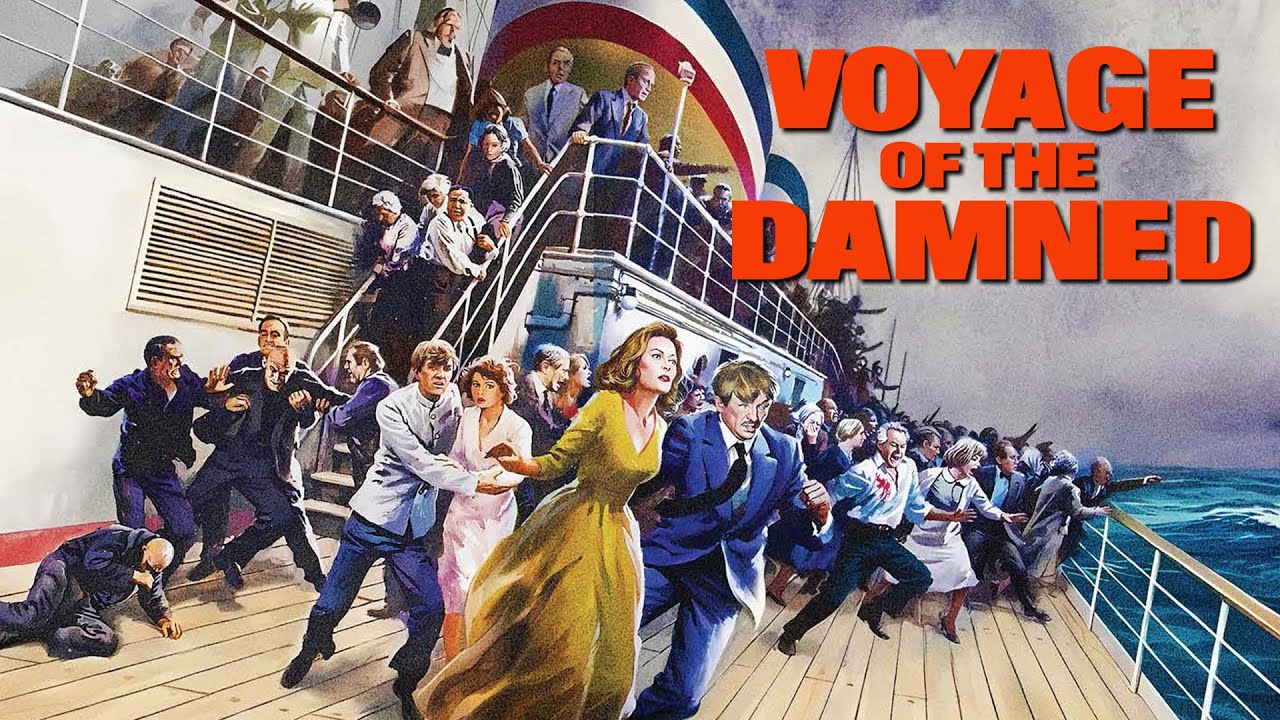
Voyage of the Damned: A Tragic Tale of Human Endurance

rec-dev.com – Voyage of the Damned is a 1976 historical drama film directed by Stuart Rosenberg. It tells the true story of the SS St. Louis, a German ocean liner carrying over 900 Jewish refugees who were denied entry to Cuba, the United States, and Canada in 1939.

A Heart-Wrenching Tale of Human Suffering

The film depicts the harrowing experiences of the Jewish refugees as they faced rejection, despair, and the looming threat of Nazi persecution. The film highlights the cruelty and indifference of nations that turned away these desperate people, ultimately forcing them to return to Europe, where many perished in concentration camps.

A Stellar Cast

Voyage of the Damned features a stellar cast, including Faye Dunaway, Max von Sydow, Oskar Werner, and James Mason. Their powerful performances bring to life the complex emotions and moral dilemmas faced by the characters.

A Powerful Message of Humanitarianism

The film’s powerful message of humanitarianism and the importance of compassion continues to resonate with audiences today. It serves as a reminder of the dangers of intolerance and the need to stand up against injustice.

A Historical Perspective

Voyage of the Damned offers a valuable historical perspective on one of the darkest chapters in human history. The film’s portrayal of the events leading up to the Holocaust and the subsequent genocide is both informative and emotionally charged.

A Timeless Classic

Despite its tragic subject matter, Voyage of the Damned is a timeless classic that has captivated audiences for decades. Its powerful storytelling, strong performances, and important message make it a film that is both entertaining and thought-provoking.

Julia (1977): A Tale of Friendship and Resistance

rec-dev.com – Julia (1977) is a poignant historical drama that explores the profound friendship between two extraordinary women. Based on Lillian Hellman’s memoir “Pentimento,” the film delves into the lives of Lillian Hellman (played by Jane Fonda) and Julia (played by Vanessa Redgrave) as they navigate the complexities of love, loss, and political activism.   

Fonda’s Portrayal of Lillian Hellman

Jane Fonda delivers a powerful and nuanced performance as the renowned playwright Lillian Hellman. Fonda captures Hellman’s intelligence, wit, and unwavering determination, bringing her to life on screen. The film explores Hellman’s personal and professional life, highlighting her struggles as a writer and her passionate commitment to social justice.

A Friendship Forged in Fire

The heart of the film lies in the deep and enduring friendship between Lillian and Julia. The film chronicles their bond from their youthful days to their involvement in the anti-Nazi resistance movement. Redgrave’s portrayal of Julia is equally compelling, as she brings depth and complexity to this courageous and idealistic woman.   

A Historical Tapestry

Julia offers a fascinating glimpse into a pivotal moment in history. The film skillfully weaves together personal narratives with broader historical events, including the rise of fascism in Europe and the Spanish Civil War. The film’s exploration of these themes is both timely and thought-provoking.

A Critical and Commercial Success

Julia was a critical and commercial success, earning multiple Academy Award nominations and winning awards for Best Adapted Screenplay and Best Supporting Actor (Jason Robards). The film’s powerful performances, compelling story, and historical significance have ensured its enduring legacy.   

A Must-Watch for Fonda Fans

For fans of Jane Fonda, Julia is a must-watch. It showcases her versatility as an actress and her ability to bring complex and compelling characters to life. The film’s exploration of friendship, love, and social justice is both heartwarming and inspiring.

Conclusion

Julia is a poignant and moving film that celebrates the power of friendship and the courage of individuals who stand up for what they believe in. Jane Fonda’s performance as Lillian Hellman is a testament to her talent and her commitment to social justice. The film’s exploration of historical events and its timeless themes make it a powerful and enduring cinematic experience.

Sometimes a Great Notion: A Tale of Family & Independence

rec-dev.com – Paul Newman’s 1971 adaptation of Ken Kesey’s novel, “Sometimes a Great Notion,” is a raw and powerful exploration of family, independence, and the American West. The film captures the spirit of the Pacific Northwest, with its rugged landscapes and the indomitable spirit of its people.

A Family Divided

The film centers on the Stamper family, a clan of fiercely independent loggers who own their own timber operation in the Oregon wilderness. Henry Stamper (Henry Fonda), the patriarch, is a stubborn and uncompromising man who refuses to yield to the pressures of the modern world. His son, Hank (Paul Newman), is a rebellious and impulsive figure who shares his father’s fierce determination.   

A Battle Against the Establishment

The Stampers’ way of life is threatened by the rise of corporate logging companies and the unionization of the timber industry. As the local union calls for a strike, the Stampers refuse to join, leading to a clash with their neighbors and the authorities. The film explores the tension between individual liberty and collective action, as the Stampers fight to maintain their independence and protect their livelihood.   

A Family in Turmoil

The film delves into the complexities of family relationships, as the Stampers grapple with personal conflicts and generational divides. The arrival of Henry’s estranged son, Lee (Michael Sarrazin), further complicates matters, as he brings with him a different perspective on life and a troubled past.   

A Visual Feast

“Sometimes a Great Notion” is a visually stunning film, with breathtaking cinematography that captures the beauty and power of the Pacific Northwest. The film’s use of wide-screen cinematography and innovative camera techniques creates a sense of immersion and awe.

A Timeless Tale

Despite being set in the 1960s, “Sometimes a Great Notion” remains a timeless tale of human nature and the American spirit. The film’s exploration of themes such as family, independence, and the struggle for survival continues to resonate with audiences today.

Conclusion

“Sometimes a Great Notion” is a powerful and unforgettable film that captures the essence of the American West. Its stunning visuals, complex characters, and powerful performances make it a must-watch for fans of classic cinema. The film’s exploration of the human condition and the enduring spirit of the individual continues to inspire and challenge viewers.

The Legend of King Midas: Tale of a King Who Wished for Gold

rec-dev.com – The ancient myth of King Midas is a timeless tale that has captivated the imaginations of people for centuries. This story, rich in moral and irony, is a classic example of Greek mythology that serves as a cautionary tale about the dangers of greed and the consequences of unchecked desire.

The Origin of King Midas

King Midas was a legendary king of Phrygia, a region that is now part of modern-day Turkey. According to myth, he was known for his love of luxury and wealth, which ultimately led to his infamous wish. The story of King Midas is often associated with the Greek god Dionysus, who played a crucial role in the unfolding of the king’s fate.

The Fateful Wish

The legend goes that Dionysus, the god of wine and fertility, was once saved by King Midas’s daughter. To repay the king for his kindness, Dionysus offered to grant Midas one wish. Blinded by his insatiable desire for wealth, Midas asked that everything he touched be turned into gold. Dionysus, amused and perhaps a bit bemused by the request, granted the wish.

The Curse of the Golden Touch

Initially, King Midas was overjoyed with his new power. He touched everything in sight, from the flowers in his garden to the furniture in his palace, and watched as they transformed into glittering gold. However, it wasn’t long before the king realized the true curse of his wish. When he tried to eat, his food turned to gold in his hands, and when he embraced his daughter, she too became a golden statue.

The Reversal of the Wish

Horrified by the consequences of his greed, King Midas begged Dionysus to take back the golden touch. Dionysus, feeling pity for the king, instructed him to wash away the curse in the River Pactolus. Midas did as he was told, and upon immersing himself in the river, the power was lifted. From that day forward, the sands of the River Pactolus were said to contain gold, a lasting reminder of King Midas’s folly.

The Moral of the Story

The legend of King Midas is a powerful allegory about the dangers of greed and the importance of moderation. It teaches us that wealth and material possessions do not bring happiness and that sometimes the things we desire most can lead to our downfall. The story of King Midas serves as a timeless reminder that true value lies not in gold, but in the relationships and experiences that enrich our lives.

Conclusion

The tale of King Midas is more than just a story; it is a lesson that continues to resonate with people across generations. It speaks to the universal truth that while we may be tempted by the allure of wealth and power, it is the simple, human connections that truly define our lives. King Midas’s legend is a poignant reminder of the importance of appreciating what we have and the perils of desiring too much.

Tales of Lustre and Legacy: Diamonds in History

rec-dev.com – Diamonds, with their unparalleled brilliance and eternal allure, have been a source of fascination and desire for millennia. These precious stones, formed deep within the Earth under extreme pressure and heat, have been intertwined with human history, culture, and mythology for ages. From ancient civilizations to modern times, diamonds have symbolized power, wealth, and eternal love, leaving a legacy that continues to captivate the world.

Ancient Origins: The Early Allure of Diamonds

The history of diamonds dates back to ancient times, with the first recorded mention in Sanskrit texts from India around 4th century BC. The Indian subcontinent was the sole source of diamonds until the 18th century, and these gems were considered powerful talismans, believed to bring strength, courage, and invincibility to their bearers. Diamonds were also thought to possess healing properties and were used in religious ceremonies.

The Spread of Diamond Lustre: Trade and Exploration

As the allure of diamonds spread, so did their trade. Merchants from various parts of the world, including the Middle East and Europe, sought these precious stones, leading to the establishment of trade routes that spanned continents. The discovery of diamond deposits in Brazil in the 18th century marked the beginning of a new era in the diamond trade, making diamonds more accessible to the European market.

The Diamond Rush: The 19th Century and Beyond

The 19th century was a turning point in the history of diamonds, with the discovery of vast diamond deposits in South Africa. This led to a diamond rush, transforming the diamond industry and making diamonds more affordable and available to the masses. The establishment of De Beers Consolidated Mines Limited in 1888 further consolidated the diamond trade, controlling the flow of diamonds and setting the stage for the modern diamond market.

Symbols of Love and Power: Diamonds in Culture and Society

Throughout history, diamonds have been symbols of love, commitment, and power. The tradition of giving a diamond engagement ring dates back to the 15th century, when Archduke Maximilian of Austria proposed to Mary of Burgundy with a diamond ring. Since then, diamonds have been synonymous with eternal love and commitment.

Diamonds have also been associated with royalty and the elite, adorning crowns, scepters, and other regalia. The British Crown Jewels, which include some of the most famous diamonds in the world such as the Cullinan Diamond, are a testament to the enduring association between diamonds and power.

The Legacy of Diamonds: From Conflict to Conscious

The 20th and 21st centuries have seen significant changes in the diamond industry, with the emergence of conflict diamonds, also known as “blood diamonds,” leading to a global movement for ethical sourcing. The Kimberley Process Certification Scheme was established in 2003 to prevent conflict diamonds from entering the legitimate market, marking a shift towards more responsible diamond trading.

Today, the legacy of diamonds continues to evolve, with a growing emphasis on sustainability, ethical sourcing, and transparency. Lab-grown diamonds and diamond alternatives are gaining popularity, offering consumers a more environmentally friendly and conflict-free choice.

Conclusion: The Enduring Allure of Diamonds

From ancient talismans to symbols of love and power, diamonds have left an indelible mark on human history. Their enduring allure, combined with their physical properties of brilliance and durability, ensures that diamonds will continue to captivate and inspire for generations to come. As the diamond industry evolves, the legacy of these precious stones will undoubtedly continue to shine, reflecting the changing values and aspirations of society.