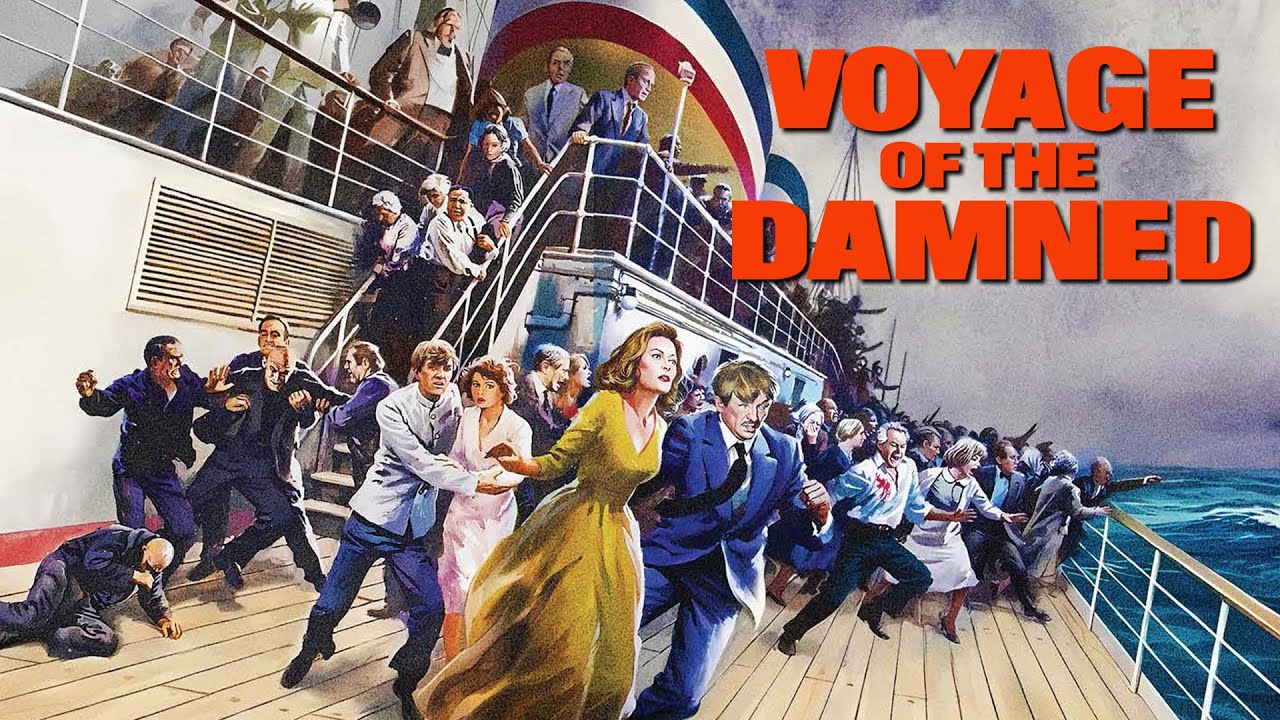
Voyage of the Damned: A Tragic Tale of Human Endurance

rec-dev.com – Voyage of the Damned is a 1976 historical drama film directed by Stuart Rosenberg. It tells the true story of the SS St. Louis, a German ocean liner carrying over 900 Jewish refugees who were denied entry to Cuba, the United States, and Canada in 1939.

A Heart-Wrenching Tale of Human Suffering

The film depicts the harrowing experiences of the Jewish refugees as they faced rejection, despair, and the looming threat of Nazi persecution. The film highlights the cruelty and indifference of nations that turned away these desperate people, ultimately forcing them to return to Europe, where many perished in concentration camps.

A Stellar Cast

Voyage of the Damned features a stellar cast, including Faye Dunaway, Max von Sydow, Oskar Werner, and James Mason. Their powerful performances bring to life the complex emotions and moral dilemmas faced by the characters.

A Powerful Message of Humanitarianism

The film’s powerful message of humanitarianism and the importance of compassion continues to resonate with audiences today. It serves as a reminder of the dangers of intolerance and the need to stand up against injustice.

A Historical Perspective

Voyage of the Damned offers a valuable historical perspective on one of the darkest chapters in human history. The film’s portrayal of the events leading up to the Holocaust and the subsequent genocide is both informative and emotionally charged.

A Timeless Classic

Despite its tragic subject matter, Voyage of the Damned is a timeless classic that has captivated audiences for decades. Its powerful storytelling, strong performances, and important message make it a film that is both entertaining and thought-provoking.

The 10th Victim: Futuristic Society and Human Nature

rec-dev.com – “The 10th Victim” is a groundbreaking science fiction film that combines satire, action, and a thought-provoking narrative. Directed by Elio Petri and released in 1965, this Italian film offers a unique take on a dystopian future where violence is not only normalized but institutionalized as a form of entertainment. This article delves into the film’s plot, themes, and cultural impact, highlighting its relevance in today’s world.

Plot Overview

Set in a future where war has been eradicated and society has found a way to channel humanity’s violent tendencies, “The 10th Victim” introduces us to a world where people participate in a deadly game known as “The Big Hunt.” In this game, participants alternate between being hunters and victims, with the ultimate goal of surviving ten rounds to gain wealth and fame.

The film follows the story of Marcello Polletti, played by Marcello Mastroianni, and Caroline Meredith, portrayed by Ursula Andress. Both are seasoned participants in the game, with Caroline hunting Marcello for her tenth and final kill. As they engage in a deadly cat-and-mouse chase, the film explores the complexities of their relationship and the blurring lines between hunter and victim.

Themes and Analysis

At its core, “The 10th Victim” is a satirical commentary on the commercialization of violence and the desensitization of society. The film cleverly critiques how media and entertainment can distort our perception of violence, turning it into a spectacle rather than a moral dilemma. This theme resonates with contemporary audiences, reflecting concerns about the portrayal of violence in modern media.

The film also explores themes of identity and self-preservation. As Marcello and Caroline’s relationship evolves, they grapple with their roles as hunter and victim, questioning the morality of their actions and the societal norms that drive them. This exploration of human nature and the instinct for survival adds depth to the film’s narrative, prompting viewers to reflect on their own values and ethics.

Cultural Impact

“The 10th Victim” has left a lasting impact on the science fiction genre, influencing subsequent films and media that explore similar dystopian themes. Its innovative use of style and cinematography, characterized by vibrant colors and futuristic settings, has been praised for its artistic vision and has inspired filmmakers and artists alike.

The film’s satirical approach and critique of societal norms continue to be relevant, resonating with audiences who question the role of entertainment and media in shaping public perception. By presenting a future where violence is institutionalized, “The 10th Victim” encourages viewers to reflect on the ethical implications of such a reality and the potential consequences of unchecked societal trends.

Conclusion

“The 10th Victim” remains a significant work within the science fiction genre, offering a compelling narrative that challenges viewers to think critically about the nature of violence, identity, and societal values. Its exploration of a dystopian future serves as both a cautionary tale and a reflection on the complexities of human nature. As audiences continue to engage with its themes, the film’s relevance endures, inviting ongoing discussion and analysis.