The Legend of King Midas: Tale of a King Who Wished for Gold

rec-dev.com – The ancient myth of King Midas is a timeless tale that has captivated the imaginations of people for centuries. This story, rich in moral and irony, is a classic example of Greek mythology that serves as a cautionary tale about the dangers of greed and the consequences of unchecked desire.

The Origin of King Midas

King Midas was a legendary king of Phrygia, a region that is now part of modern-day Turkey. According to myth, he was known for his love of luxury and wealth, which ultimately led to his infamous wish. The story of King Midas is often associated with the Greek god Dionysus, who played a crucial role in the unfolding of the king’s fate.

The Fateful Wish

The legend goes that Dionysus, the god of wine and fertility, was once saved by King Midas’s daughter. To repay the king for his kindness, Dionysus offered to grant Midas one wish. Blinded by his insatiable desire for wealth, Midas asked that everything he touched be turned into gold. Dionysus, amused and perhaps a bit bemused by the request, granted the wish.

The Curse of the Golden Touch

Initially, King Midas was overjoyed with his new power. He touched everything in sight, from the flowers in his garden to the furniture in his palace, and watched as they transformed into glittering gold. However, it wasn’t long before the king realized the true curse of his wish. When he tried to eat, his food turned to gold in his hands, and when he embraced his daughter, she too became a golden statue.

The Reversal of the Wish

Horrified by the consequences of his greed, King Midas begged Dionysus to take back the golden touch. Dionysus, feeling pity for the king, instructed him to wash away the curse in the River Pactolus. Midas did as he was told, and upon immersing himself in the river, the power was lifted. From that day forward, the sands of the River Pactolus were said to contain gold, a lasting reminder of King Midas’s folly.

The Moral of the Story

The legend of King Midas is a powerful allegory about the dangers of greed and the importance of moderation. It teaches us that wealth and material possessions do not bring happiness and that sometimes the things we desire most can lead to our downfall. The story of King Midas serves as a timeless reminder that true value lies not in gold, but in the relationships and experiences that enrich our lives.

Conclusion

The tale of King Midas is more than just a story; it is a lesson that continues to resonate with people across generations. It speaks to the universal truth that while we may be tempted by the allure of wealth and power, it is the simple, human connections that truly define our lives. King Midas’s legend is a poignant reminder of the importance of appreciating what we have and the perils of desiring too much.
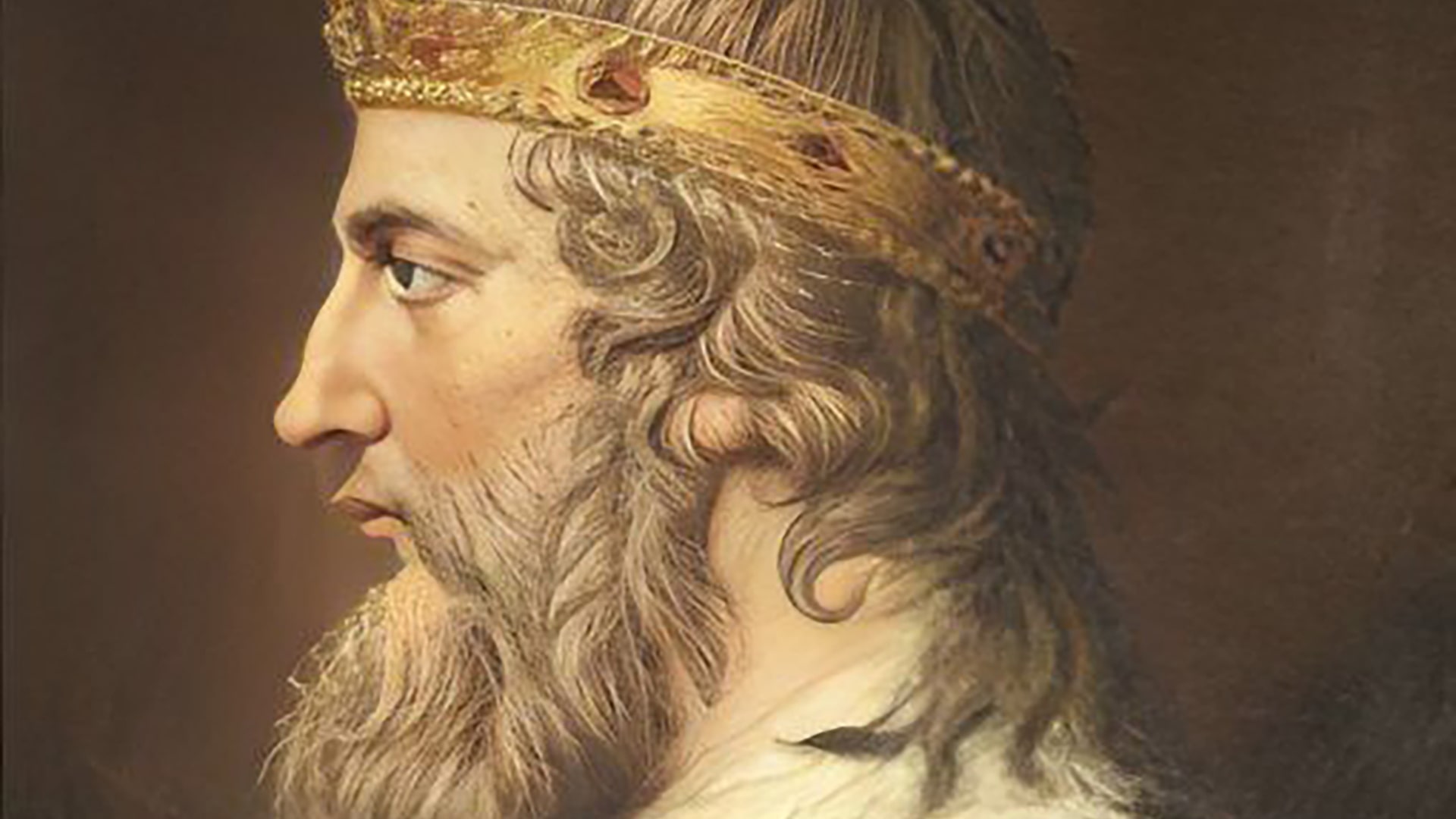
The Scholar King: King Alfred the Great

rec-dev.com – King Alfred the Great, who reigned from 871 to 886 as King of the West Saxons and from 886 until his death in 899 as King of the Anglo-Saxons, is remembered not only for his military prowess and political acumen but also for his profound scholarly contributions. Born in 849 at Wantage, Berkshire, Alfred was the fifth son of King Aethelwulf, ruler of the West Saxons, during a tumultuous period marked by Viking raids and invasions.

Early Life and Education

Alfred’s early life was shaped by the constant threat of Viking invasions, which led to his father’s decision to educate him in both military and scholarly pursuits. This dual education would later define his reign and legacy. Alfred’s scholarly inclinations were evident from a young age, and he was deeply influenced by the works of classical authors, which he studied in both Latin and Old English.

Reign and Achievements

Alfred’s reign was marked by significant military victories against the Vikings, most notably at the Battle of Edington in 878, which led to the establishment of the Danelaw in the north of England. However, his contributions extended beyond warfare. Alfred was a patron of learning and the arts, establishing schools and promoting the translation of Latin works into Old English. This effort was crucial in preserving and disseminating knowledge in England during the Dark Ages.

Scholarly Contributions

Alfred’s scholarly pursuits were extensive and varied. He translated numerous works from Latin into Old English, including the “Venerable Bede’s Ecclesiastical History of the English People,” which provided a historical context for his reign and the early history of England. He also commissioned the translation of other works on philosophy, law, and military strategy, which were essential for the education of his subjects and the administration of his kingdom.

Legacy

Alfred’s legacy as the Scholar King is evident in the enduring impact of his translations and educational reforms. His efforts to promote learning and scholarship helped to shape the cultural and intellectual landscape of England, laying the groundwork for the development of a literate society. Alfred’s reign is often seen as a turning point in English history, marking the transition from the Dark Ages to a period of cultural and intellectual revival.

Conclusion

King Alfred the Great’s contributions to scholarship and his role in promoting education and the arts have left a lasting legacy. His reign, marked by both military and scholarly achievements, set a precedent for future English monarchs and continues to inspire admiration and study. As a ruler who combined the virtues of the warrior with those of the scholar, Alfred the Great remains a pivotal figure in English history, embodying the ideals of leadership, learning, and cultural advancement.

The King of Pop’s Legacy: Michael Jackson

Michael Jackson, often hailed as the King of Pop, was an American singer, songwriter, and dancer whose influence on modern music and culture is unparalleled. Born on August 29, 1958, in Gary, Indiana, Jackson rose to fame as the youngest member of the Jackson 5, a family music group that found success on the Motown label in the late 1960s and early 1970s. However, it was his solo career that would catapult him to global superstardom and cement his legacy as one of the greatest entertainers of all time.

The Solo Journey Begins

After leaving the Jackson 5, Michael Jackson embarked on a solo career that would redefine the boundaries of pop music. His 1979 album, “Off the Wall,” produced by Quincy Jones, was a critical and commercial success, blending pop, disco, R&B, and funk. The album’s hits, including “Don’t Stop ‘Til You Get Enough” and “Rock With You,” showcased Jackson’s evolving artistry and vocal prowess.

Thriller: A Cultural Phenomenon

Jackson’s next album, “Thriller” (1982), became the best-selling album of all time, breaking numerous sales records and earning a staggering 12 Grammy nominations, winning eight. The album’s success was driven by hits like “Billie Jean,” “Beat It,” and the title track, “Thriller,” which was accompanied by a groundbreaking music video that is often credited with transforming the music video into an art form. The “Thriller” video, directed by John Landis, featured complex storytelling, elaborate choreography, and special effects, setting a new standard for music videos.

Innovation and Iconic Moments

Michael Jackson was not just a singer; he was a complete entertainer. His dance moves, including the moonwalk, became iconic and were emulated by fans worldwide. His music videos were often mini-movies, filled with elaborate sets, storylines, and special effects. Jackson’s fashion sense, from his sequined glove to his military jackets, became part of his larger-than-life persona.

Humanitarian Efforts

Beyond his musical accomplishments, Jackson was known for his philanthropy. He supported numerous charities and founded the Heal the World Foundation, which aimed to improve children’s lives around the world. He also wrote and performed songs with messages of peace, love, and unity, such as “We Are the World,” which he co-wrote with Lionel Richie and performed as part of the supergroup USA for Africa.

Controversy and Legacy

Michael Jackson’s life was not without controversy. He faced allegations of child sexual abuse in 1993 and again in 2005, which he vehemently denied. The cases were settled out of court in 1993, and he was acquitted of all charges in 2005. Despite the controversies, Jackson’s musical legacy remains undiminished.

Jackson’s influence on music, dance, and fashion is immeasurable. He broke racial barriers in the music industry and inspired countless artists across various genres. His death on June 25, 2009, shocked the world, leading to an outpouring of grief and tributes from fans and celebrities alike.

Conclusion

Michael Jackson’s life and career were marked by extraordinary talent, innovation, and a unique ability to connect with audiences worldwide. His music continues to inspire and entertain new generations, and his legacy as the King of Pop endures. Whether through his groundbreaking albums, iconic dance moves, or his efforts to make the world a better place, Michael Jackson remains a symbol of the power of music to unite and uplift.