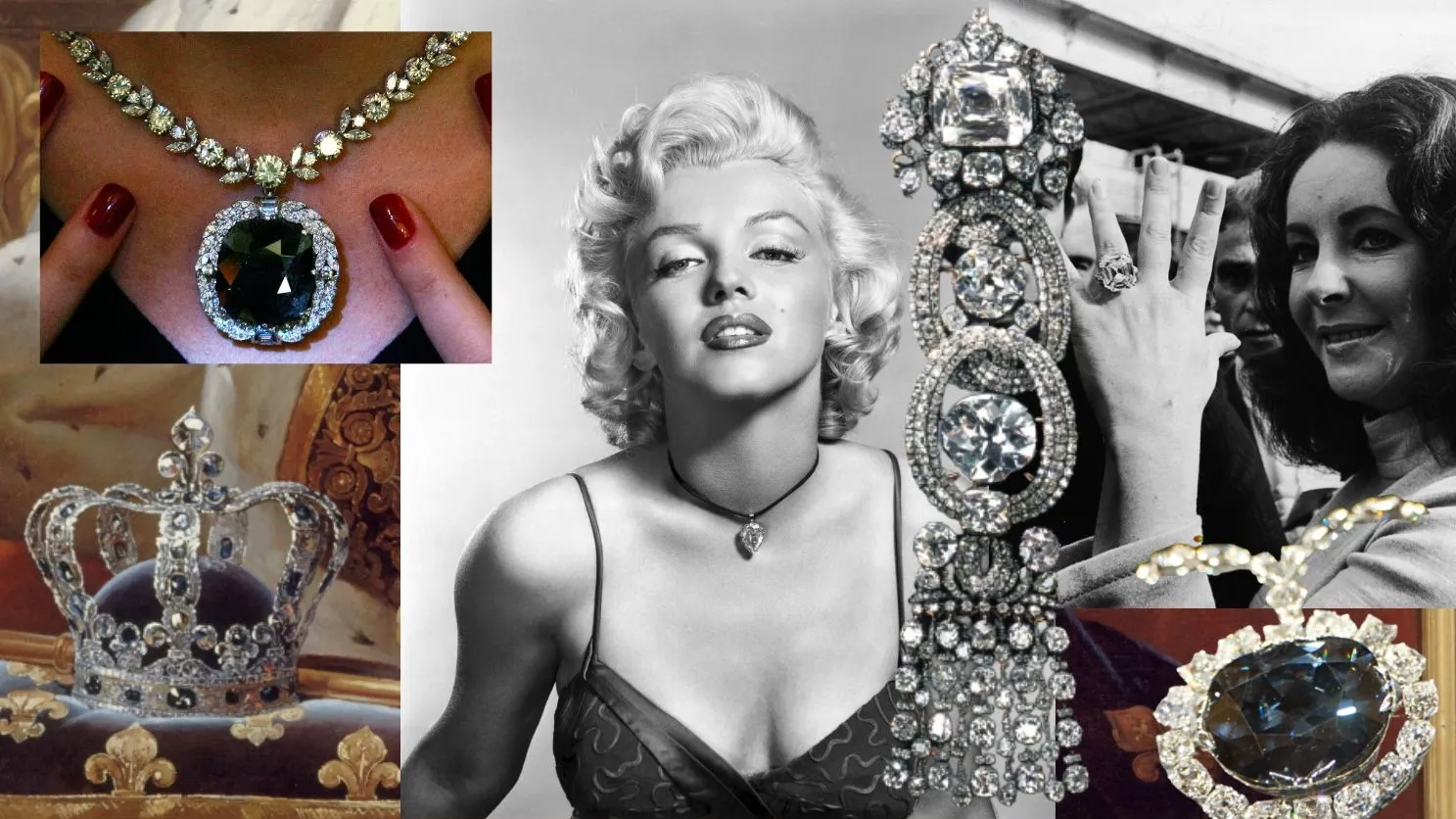
rec-dev.com – Diamonds, with their unparalleled brilliance and eternal allure, have been a source of fascination and desire for millennia. These precious stones, formed deep within the Earth under extreme pressure and heat, have been intertwined with human history, culture, and mythology for ages. From ancient civilizations to modern times, diamonds have symbolized power, wealth, and eternal love, leaving a legacy that continues to captivate the world.
Ancient Origins: The Early Allure of Diamonds
The history of diamonds dates back to ancient times, with the first recorded mention in Sanskrit texts from India around 4th century BC. The Indian subcontinent was the sole source of diamonds until the 18th century, and these gems were considered powerful talismans, believed to bring strength, courage, and invincibility to their bearers. Diamonds were also thought to possess healing properties and were used in religious ceremonies.
The Spread of Diamond Lustre: Trade and Exploration
As the allure of diamonds spread, so did their trade. Merchants from various parts of the world, including the Middle East and Europe, sought these precious stones, leading to the establishment of trade routes that spanned continents. The discovery of diamond deposits in Brazil in the 18th century marked the beginning of a new era in the diamond trade, making diamonds more accessible to the European market.
The Diamond Rush: The 19th Century and Beyond
The 19th century was a turning point in the history of diamonds, with the discovery of vast diamond deposits in South Africa. This led to a diamond rush, transforming the diamond industry and making diamonds more affordable and available to the masses. The establishment of De Beers Consolidated Mines Limited in 1888 further consolidated the diamond trade, controlling the flow of diamonds and setting the stage for the modern diamond market.
Symbols of Love and Power: Diamonds in Culture and Society
Throughout history, diamonds have been symbols of love, commitment, and power. The tradition of giving a diamond engagement ring dates back to the 15th century, when Archduke Maximilian of Austria proposed to Mary of Burgundy with a diamond ring. Since then, diamonds have been synonymous with eternal love and commitment.
Diamonds have also been associated with royalty and the elite, adorning crowns, scepters, and other regalia. The British Crown Jewels, which include some of the most famous diamonds in the world such as the Cullinan Diamond, are a testament to the enduring association between diamonds and power.
The Legacy of Diamonds: From Conflict to Conscious
The 20th and 21st centuries have seen significant changes in the diamond industry, with the emergence of conflict diamonds, also known as “blood diamonds,” leading to a global movement for ethical sourcing. The Kimberley Process Certification Scheme was established in 2003 to prevent conflict diamonds from entering the legitimate market, marking a shift towards more responsible diamond trading.
Today, the legacy of diamonds continues to evolve, with a growing emphasis on sustainability, ethical sourcing, and transparency. Lab-grown diamonds and diamond alternatives are gaining popularity, offering consumers a more environmentally friendly and conflict-free choice.
Conclusion: The Enduring Allure of Diamonds
From ancient talismans to symbols of love and power, diamonds have left an indelible mark on human history. Their enduring allure, combined with their physical properties of brilliance and durability, ensures that diamonds will continue to captivate and inspire for generations to come. As the diamond industry evolves, the legacy of these precious stones will undoubtedly continue to shine, reflecting the changing values and aspirations of society.
