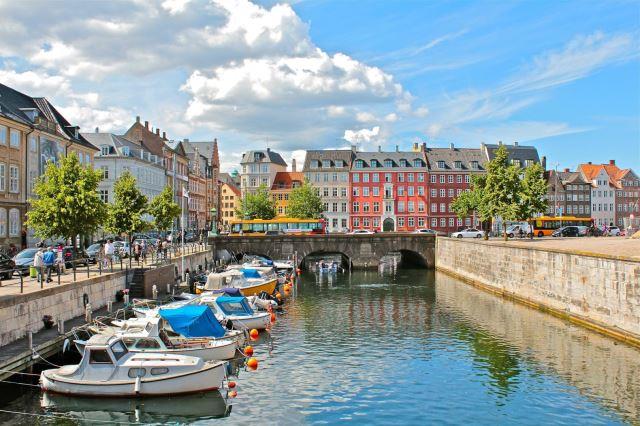
Sjælland (Zealand): The Heart of Denmark

rec-dev.com – Sjælland, or Zealand, is the largest and most populous island of Denmark. It’s home to the nation’s capital, Copenhagen, and many other charming towns and villages. With its diverse landscapes, rich history, and vibrant culture, Sjælland offers a unique and unforgettable experience.

Copenhagen: The Crown Jewel of Denmark

Copenhagen, the capital of Denmark, is a city that seamlessly blends old-world charm with modern sophistication. Its picturesque canals, historic buildings, and vibrant neighborhoods create an unforgettable atmosphere.

  • Nyhavn: This colorful harbor is a popular tourist destination, lined with brightly painted 17th-century townhouses and bustling with boats and cafes.
  • Amalienborg Palace: The winter residence of the Danish royal family, this elegant palace complex is a sight to behold.
  • Tivoli Gardens: One of the world’s oldest amusement parks, Tivoli offers thrilling rides, beautiful gardens, and enchanting entertainment.
  • Rosenborg Castle: This Renaissance castle houses the Danish Crown Jewels and offers a glimpse into the history of the Danish monarchy.

Beyond Copenhagen: Exploring Sjælland

While Copenhagen is undoubtedly the star attraction, Sjælland has much more to offer. The island is home to several charming towns and villages, each with its own unique character.

  • Roskilde: A historic city with a beautiful cathedral and Viking Ship Museum.
  • Helsingør: Known for its historic Kronborg Castle, the inspiration for Shakespeare’s “Hamlet.”
  • Næstved: A picturesque town with a medieval castle and charming streets.
  • Køge: A coastal town with a beautiful harbor and a historic center.

A Natural Paradise

Sjælland offers a diverse range of natural landscapes, from stunning beaches to lush forests.

  • North Zealand: Known for its beautiful beaches, charming coastal towns, and historic castles.
  • South Zealand: A region of rolling hills, picturesque villages, and historic manor houses.

A Cultural Tapestry

Sjælland is a cultural hub, with a rich history, vibrant arts scene, and world-class museums.

  • Louisiana Museum of Modern Art: This world-renowned museum is housed in a stunning building overlooking the Øresund Sound.
  • National Museum of Denmark: This museum offers a comprehensive overview of Danish history, from the Stone Age to the present day.
  • Danish Design Center: This center showcases the best of Danish design, from furniture and fashion to architecture and ceramics.

Sjælland is a region that offers a perfect blend of history, culture, and natural beauty. Whether you’re exploring the bustling streets of Copenhagen or the tranquil countryside, you’re sure to be enchanted by the charm and diversity of this beautiful island.
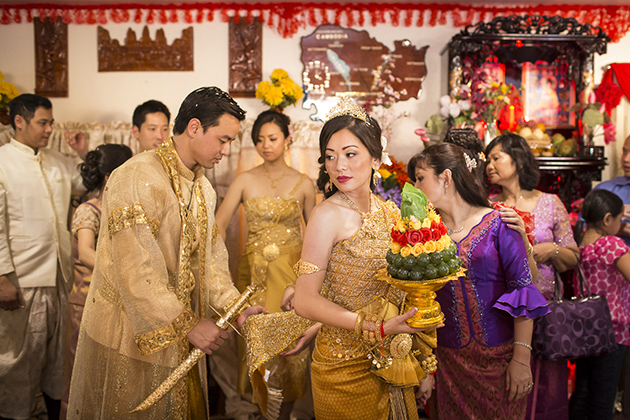
Asian-Western Marriage Stories: Love Across Cultures

rec-dev.com – In an increasingly globalized world, love knows no boundaries. Asian-Western marriages are a testament to this, blending traditions, languages, and customs to create unique and enriching relationships. This article delves into the stories of couples who have bridged cultural divides to build their lives together, exploring the challenges they face and the joys they share.

The Meeting of Two Worlds

Many Asian-Western couples recount their first encounters as a meeting of two worlds. Whether it was a chance meeting at an international conference, a study abroad program, or a dating app that connected them across continents, these initial sparks often ignited a fascination with each other’s backgrounds.

Navigating Cultural Differences

Cultural differences can be both a source of intrigue and a challenge. From communication styles to family expectations, couples must navigate a complex web of traditions and norms. Learning to appreciate and respect these differences is key to a harmonious relationship.

The Blend of Traditions

Asian-Western marriages often involve a beautiful blend of traditions. From the vibrant colors of an Indian wedding to the solemn vows of a Western ceremony, couples find creative ways to honor both cultures. This fusion not only enriches their own lives but also educates and inspires those around them.

Family Dynamics and Expectations

Family plays a central role in many Asian cultures, and navigating family dynamics can be one of the biggest challenges. Couples often find themselves balancing the expectations of two very different sets of parents and extended families. Open communication and compromise are essential in managing these relationships.

Raising Multicultural Children

For many Asian-Western couples, raising children is an opportunity to pass down the best of both cultures. They strive to instill a sense of pride in their heritage while also preparing their children for a diverse world. This involves teaching multiple languages, celebrating a variety of holidays, and exposing their children to different cultural perspectives.

Overcoming Stereotypes and Prejudices

Unfortunately, Asian-Western couples sometimes face stereotypes and prejudices. From outdated notions of “mail-order brides” to racial fetishization, they must navigate a society that may not always understand or accept their union. Standing together and educating others about their experiences can help break down these barriers.

The Rewards of a Cross-Cultural Union

Despite the challenges, the rewards of an Asian-Western marriage are profound. Couples often speak of a deepened understanding of the world, a rich tapestry of experiences, and a unique identity that is greater than the sum of its parts. Their love story is a living example of how diverse backgrounds can come together to create something beautiful.

Conclusion

Asian-Western marriages are a vibrant reflection of our interconnected world. They remind us that love is a universal language, capable of transcending cultural barriers. By sharing their stories, these couples not only celebrate their own journeys but also pave the way for a more inclusive and understanding society.

Clothing as a Reflection of Society: Threads of Culture

Clothing is more than just fabric and stitching; it’s a language that speaks volumes about the wearer and the society from which they come. From the vibrant colors of traditional African garb to the minimalist chic of Scandinavian design, clothing acts as a cultural identifier, a social statement, and a historical document. This article delves into the intricate relationship between threads of culture and clothing, exploring how garments reflect the values, beliefs, and changes within a society.

Cultural Identifiers

Every culture has its unique dress code, which serves as a visual marker of identity. For instance, the saree in India is not just a piece of clothing but a symbol of grace and tradition. Similarly, the kilt in Scotland is more than a skirt; it’s a badge of national pride and heritage. These garments are passed down through generations, embodying the collective history and values of a people. They are living artifacts that connect the present to the past, reminding us of our roots and the stories of our ancestors.

Social Statements

Clothing also makes powerful social statements, reflecting the wearer’s status, profession, and even political views. In many societies, specific colors, patterns, or styles are associated with certain social groups or movements. For example, the black attire worn by suffragettes in the early 20th century was a deliberate choice to symbolize their fight for gender equality. Today, the visibility of BLM t-shirts or rainbow flags on clothing speaks to the wearer’s support for racial justice and LGBTQ+ rights, respectively.

Historical Documents

Fashion trends are like historical documents, capturing the zeitgeist of an era. The flapper dresses of the 1920s, with their short hemlines and loose silhouettes, were a bold departure from the conservative styles of previous decades, signaling a shift towards women’s liberation and the loosening of social norms. Similarly, the hippie fashion of the 1960s, characterized by its bright colors, flowy fabrics, and natural materials, reflected the counterculture movement’s values of peace, love, and freedom.

Globalization and Cultural Exchange

In an increasingly globalized world, clothing has become a medium for cultural exchange and fusion. The rise of international fashion brands and the internet has made it easier for people to access and adopt styles from different cultures. While this can lead to rich cultural exchanges, it also raises concerns about cultural appropriation and the dilution of traditional practices. It’s crucial to approach cultural exchange with respect and understanding, recognizing the significance of each garment and the stories it carries.

Conclusion

Clothing is a powerful medium that reflects the complex tapestry of human society. It carries within its threads the stories of our past, the statements of our present, and the hopes for our future. As we continue to weave our way through the fabric of culture, let us remember the profound messages that our garments convey. In every stitch and seam, there lies a piece of our collective identity, waiting to be discovered and celebrated.

A Rebirth of Art and Culture: The Renaissance

The Renaissance, spanning roughly from the 14th to the 17th century, marked a profound cultural and intellectual movement that forever altered the course of European history. Originating in Italy, this period, which means “rebirth,” witnessed a revival of classical learning, art, and humanism, setting the foundation for the modern world. Let’s delve into the key aspects that defined this golden age of creativity and enlightenment.

Origins and Historical Context

The Renaissance emerged from the ashes of the Middle Ages, a period characterized by feudalism, war, and plague. The catastrophic Black Death of the 14th century decimated Europe’s population but also catalyzed significant social and economic changes. As the population began to recover, urbanization increased, leading to the rise of powerful city-states like Florence, Venice, and Rome. These cities became hubs of commerce, trade, and culture, providing fertile ground for the Renaissance to flourish.

Humanism: The Heart of the Renaissance

At the core of the Renaissance was humanism, a philosophical movement that placed a strong emphasis on the potential and accomplishments of human beings. Humanists sought to revive and study the texts and values of ancient Greece and Rome, believing that classical antiquity held the keys to wisdom and virtue. This intellectual revival inspired a new outlook on life, emphasizing individualism, critical thinking, and a secular approach to learning.

Artistic Revolution

The Renaissance is perhaps best known for its extraordinary contributions to art. Artists began to experiment with perspective, anatomy, and light, striving for realism and emotional depth in their work. Key figures include:

  • Leonardo da Vinci: Often hailed as the quintessential “Renaissance Man,” Leonardo excelled in painting, science, engineering, and anatomy. His masterpieces, such as “The Last Supper” and “Mona Lisa,” epitomize the Renaissance ideals of balance, harmony, and naturalism.
  • Michelangelo Buonarroti: A master sculptor, painter, and architect, Michelangelo’s works, including the iconic statue of “David” and the Sistine Chapel ceiling, are celebrated for their dynamic forms and emotional intensity.
  • Raphael Sanzio: Renowned for his graceful and harmonious compositions, Raphael’s frescoes in the Vatican, particularly “The School of Athens,” reflect the Renaissance spirit of classical learning and human potential.

Literary and Scientific Advancements

The Renaissance also saw remarkable advancements in literature and science. Writers like Dante Alighieri, Petrarch, and Giovanni Boccaccio explored human nature and individual expression, laying the groundwork for modern literature. Concurrently, the invention of the printing press by Johannes Gutenberg around 1440 revolutionized the dissemination of knowledge, making books more accessible and promoting literacy.

In science, figures like Nicolaus Copernicus, Galileo Galilei, and Johannes Kepler challenged existing paradigms and laid the groundwork for the Scientific Revolution. Their pursuit of empirical evidence and observation transformed the understanding of the natural world.

Architectural Innovations

Renaissance architecture marked a departure from the Gothic style of the Middle Ages, embracing symmetry, proportion, and geometry inspired by classical antiquity. Architects such as Filippo Brunelleschi and Leon Battista Alberti pioneered techniques that allowed for the construction of grandiose structures like the Florence Cathedral and St. Peter’s Basilica in Rome.

The Legacy of the Renaissance

The Renaissance left an indelible mark on Western civilization. It not only produced some of the most revered artworks and intellectual achievements in history but also fostered an environment that encouraged questioning, exploration, and innovation. The principles of humanism and the emphasis on individual potential continue to influence contemporary thought and culture.

In conclusion, the Renaissance was a period of extraordinary artistic, cultural, and intellectual activity that reshaped the landscape of Europe. By revisiting the classical past and embracing a spirit of inquiry and creativity, the Renaissance set the stage for the modern era, leaving a legacy that continues to inspire and captivate to this day.