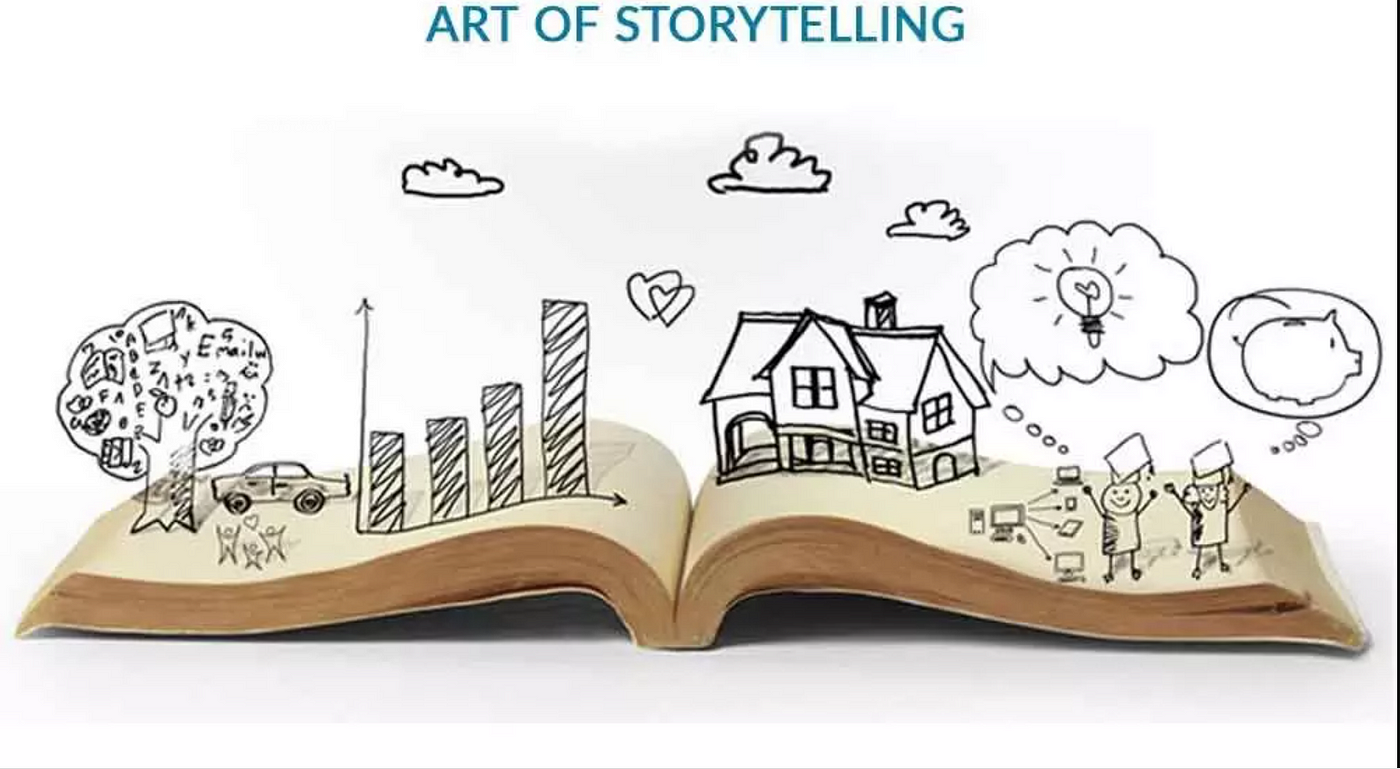
Techniques from Master Writers: The Art of Storytelling

rec-dev.com – Storytelling is an ancient art form that has evolved over centuries, captivating audiences and passing down wisdom, culture, and entertainment from generation to generation. Master writers have perfected the craft, employing various techniques to create compelling narratives that resonate with readers on a deep, emotional level. Here, we explore some of the key storytelling techniques used by master writers, offering insights into how they weave their magic.

1. Show, Don’t Tell

One of the most fundamental techniques in storytelling is showing rather than telling. Master writers understand that showing allows readers to experience the story firsthand, making the narrative more engaging and memorable. Instead of telling the reader how a character feels, they show through actions, dialogue, and descriptions, allowing readers to infer emotions and motivations. This technique immerses readers in the story, making them active participants rather than passive observers.

2. The Power of Voice

Every story has a unique voice, and master writers know how to harness this to create a distinctive narrative. Voice encompasses not just the literal voice of the narrator but also the tone, attitude, and style of the writing. It’s what makes a story feel authentic and relatable. Whether it’s the witty, insightful voice of Jane Austen or the poetic, lyrical voice of Toni Morrison, the right voice can transform a good story into a great one.

3. Building Tension and Suspense

A key element of captivating storytelling is the ability to build tension and suspense. Master writers use pacing, foreshadowing, and cliffhangers to keep readers on the edge of their seats. They understand that anticipation is a powerful tool, and they use it to create a rollercoaster of emotions, making the resolution all the more satisfying.

4. The Art of Dialogue

Dialogue is not just a means of conveying information; in the hands of master writers, it’s a tool for revealing character, advancing the plot, and deepening the reader’s engagement with the story. Effective dialogue sounds natural and authentic, reflecting the way people actually speak, while also serving the narrative purpose. It’s a delicate balance that, when achieved, brings characters to life and makes the story feel real.

5. The Importance of Theme

While a story’s plot is what happens, its theme is what the story is about. Master writers weave themes into their narratives in subtle, yet powerful ways, inviting readers to reflect on universal truths and human experiences. Whether it’s the struggle between good and evil, the quest for identity, or the nature of love, a strong theme gives a story depth and resonance, making it memorable long after the final page is turned.

6. The Role of Setting

Setting is more than just a backdrop for the action; it’s a character in its own right. Master writers use setting to create atmosphere, establish mood, and reflect the story’s themes. They understand that the right setting can enhance the narrative, making the story more vivid and immersive. From the gritty streets of Dickens’ London to the mystical forests of Tolkien’s Middle-earth, setting plays a crucial role in storytelling.

Conclusion

The art of storytelling is a complex and multifaceted craft, one that master writers have honed through years of practice and study. By employing techniques such as showing rather than telling, finding the right voice, building tension, crafting effective dialogue, exploring themes, and using setting to their advantage, these writers have created stories that captivate, inspire, and entertain. As readers, we can learn much from their techniques, appreciating the artistry behind the stories that move us. And for those of us who aspire to write, these techniques offer invaluable lessons on how to create narratives that resonate with readers for generations to come.

A Rebirth of Art and Culture: The Renaissance

The Renaissance, spanning roughly from the 14th to the 17th century, marked a profound cultural and intellectual movement that forever altered the course of European history. Originating in Italy, this period, which means “rebirth,” witnessed a revival of classical learning, art, and humanism, setting the foundation for the modern world. Let’s delve into the key aspects that defined this golden age of creativity and enlightenment.

Origins and Historical Context

The Renaissance emerged from the ashes of the Middle Ages, a period characterized by feudalism, war, and plague. The catastrophic Black Death of the 14th century decimated Europe’s population but also catalyzed significant social and economic changes. As the population began to recover, urbanization increased, leading to the rise of powerful city-states like Florence, Venice, and Rome. These cities became hubs of commerce, trade, and culture, providing fertile ground for the Renaissance to flourish.

Humanism: The Heart of the Renaissance

At the core of the Renaissance was humanism, a philosophical movement that placed a strong emphasis on the potential and accomplishments of human beings. Humanists sought to revive and study the texts and values of ancient Greece and Rome, believing that classical antiquity held the keys to wisdom and virtue. This intellectual revival inspired a new outlook on life, emphasizing individualism, critical thinking, and a secular approach to learning.

Artistic Revolution

The Renaissance is perhaps best known for its extraordinary contributions to art. Artists began to experiment with perspective, anatomy, and light, striving for realism and emotional depth in their work. Key figures include:

  • Leonardo da Vinci: Often hailed as the quintessential “Renaissance Man,” Leonardo excelled in painting, science, engineering, and anatomy. His masterpieces, such as “The Last Supper” and “Mona Lisa,” epitomize the Renaissance ideals of balance, harmony, and naturalism.
  • Michelangelo Buonarroti: A master sculptor, painter, and architect, Michelangelo’s works, including the iconic statue of “David” and the Sistine Chapel ceiling, are celebrated for their dynamic forms and emotional intensity.
  • Raphael Sanzio: Renowned for his graceful and harmonious compositions, Raphael’s frescoes in the Vatican, particularly “The School of Athens,” reflect the Renaissance spirit of classical learning and human potential.

Literary and Scientific Advancements

The Renaissance also saw remarkable advancements in literature and science. Writers like Dante Alighieri, Petrarch, and Giovanni Boccaccio explored human nature and individual expression, laying the groundwork for modern literature. Concurrently, the invention of the printing press by Johannes Gutenberg around 1440 revolutionized the dissemination of knowledge, making books more accessible and promoting literacy.

In science, figures like Nicolaus Copernicus, Galileo Galilei, and Johannes Kepler challenged existing paradigms and laid the groundwork for the Scientific Revolution. Their pursuit of empirical evidence and observation transformed the understanding of the natural world.

Architectural Innovations

Renaissance architecture marked a departure from the Gothic style of the Middle Ages, embracing symmetry, proportion, and geometry inspired by classical antiquity. Architects such as Filippo Brunelleschi and Leon Battista Alberti pioneered techniques that allowed for the construction of grandiose structures like the Florence Cathedral and St. Peter’s Basilica in Rome.

The Legacy of the Renaissance

The Renaissance left an indelible mark on Western civilization. It not only produced some of the most revered artworks and intellectual achievements in history but also fostered an environment that encouraged questioning, exploration, and innovation. The principles of humanism and the emphasis on individual potential continue to influence contemporary thought and culture.

In conclusion, the Renaissance was a period of extraordinary artistic, cultural, and intellectual activity that reshaped the landscape of Europe. By revisiting the classical past and embracing a spirit of inquiry and creativity, the Renaissance set the stage for the modern era, leaving a legacy that continues to inspire and captivate to this day.