rec-dev.com – Madagascar, an island nation off the southeast coast of Africa, is a land of extraordinary natural beauty and unparalleled biodiversity. However, this ecological richness stands in stark contrast to the country’s economic struggles, highlighting a complex interplay between environmental wealth and human development.
Unparalleled Biodiversity
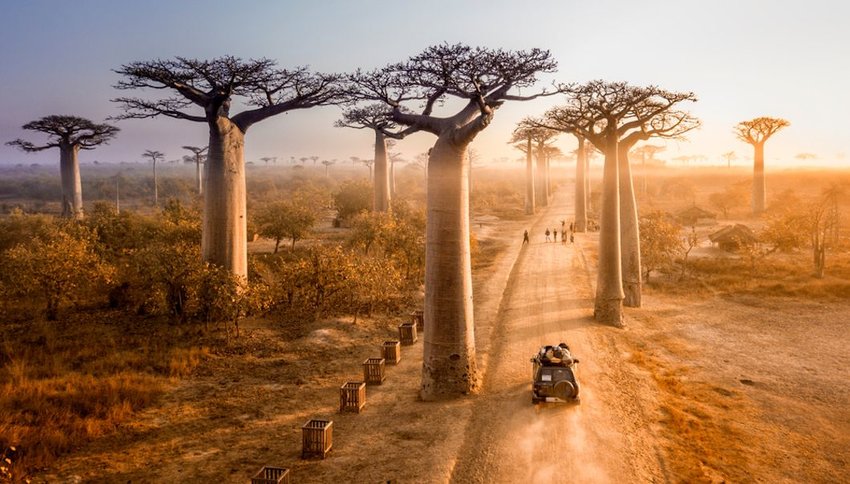
Madagascar is renowned for its unique and diverse ecosystems, which have evolved in relative isolation for millions of years. The island is home to an astonishing array of flora and fauna, with approximately 90% of its wildlife found nowhere else on Earth. This includes over 100 species of lemurs, the island’s most famous inhabitants, as well as thousands of plant species, many of which have potential medicinal properties.
The biodiversity of Madagascar is not only a source of wonder but also a critical component of global ecological health. The island’s unique ecosystems provide essential services such as carbon sequestration, water regulation, and pollination, which benefit both the local population and the global community.
Economic Challenges
Despite its natural wealth, Madagascar faces significant economic challenges. The country is one of the poorest in the world, with a large portion of its population living below the poverty line. The economy is heavily reliant on agriculture, which is vulnerable to climate variability and environmental degradation. Additionally, Madagascar’s infrastructure is underdeveloped, and access to education and healthcare is limited, further hindering economic growth and development.
The country’s economic struggles are exacerbated by political instability and corruption, which undermine efforts to improve governance and attract foreign investment. These factors contribute to a cycle of poverty that is difficult to break, leaving many Malagasy people struggling to access basic services and opportunities.
Balancing Biodiversity and Economic Development
The challenge for Madagascar is to find a sustainable path that harnesses its biodiversity for economic development without compromising the natural environment. Conservation efforts are crucial to protect the island’s unique ecosystems, but they must be coupled with strategies to improve livelihoods and reduce poverty.
One approach is to develop eco-tourism, which can provide economic benefits while promoting environmental conservation. By creating jobs in the tourism sector and educating visitors about the importance of biodiversity, Madagascar can leverage its natural assets in a sustainable manner.
Another strategy is to invest in sustainable agriculture and renewable energy, which can create jobs and reduce dependence on environmentally destructive practices. By promoting sustainable land use and supporting small-scale farmers, Madagascar can build a more resilient economy that respects its natural heritage.
Conclusion
Madagascar’s rich biodiversity is a testament to the island’s unique evolutionary history and its critical role in global ecology. However, the country’s economic challenges underscore the need for sustainable development strategies that balance conservation with human needs. By fostering eco-tourism, investing in sustainable agriculture, and promoting renewable energy, Madagascar can work towards a future where its natural wealth contributes to the well-being of all its inhabitants.