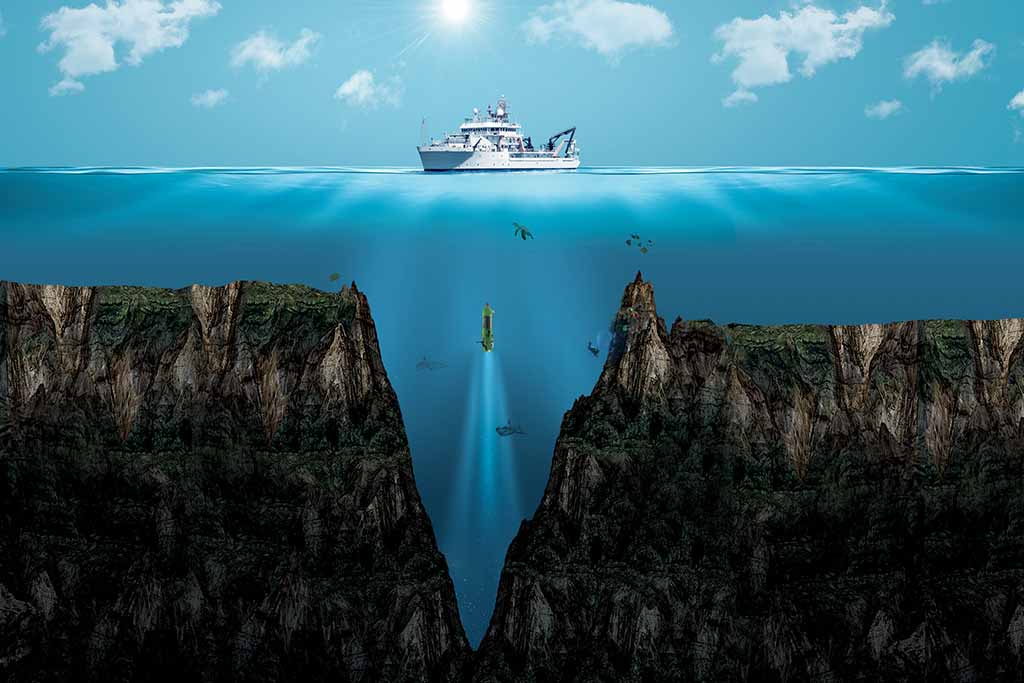
rec-dev.com – Beneath the rolling waves and vast expanses of the world’s oceans lie hidden treasures that have captivated human imagination for centuries. These secrets of the deep are not just the stuff of legends and folklore but are real, living wonders that science is only beginning to uncover. From the depths of the Mariana Trench to the vibrant coral reefs, the ocean’s hidden treasures offer a glimpse into the incredible diversity and complexity of life on our planet.
The Mariana Trench: The Deepest Secrets
The Mariana Trench, located in the western Pacific Ocean, is the deepest part of the world’s oceans, with the Challenger Deep reaching depths of over 11,000 meters. This extreme environment is home to a variety of unique and mysterious creatures that have adapted to the crushing pressure and total darkness. The discovery of new species in the Mariana Trench continues to challenge our understanding of life’s limits.
Hydrothermal Vents: Oases of the Deep
Hydrothermal vents are one of the most fascinating secrets of the deep. These underwater hot springs, found at tectonic plate boundaries, support entire ecosystems that thrive in the absence of sunlight. The vents host a diverse array of life, including tube worms, giant clams, and unique microbial communities that rely on chemosynthesis for energy. These oases of the deep are critical for understanding life’s resilience and adaptability.
Coral Reefs: Underwater Jewels
Coral reefs are often described as the “jewels of the ocean” due to their stunning beauty and ecological importance. These intricate structures provide habitat, food, and shelter for a quarter of all marine species. The vibrant colors and complex shapes of coral reefs are a testament to the ocean’s hidden treasures. However, these jewels are under threat from climate change, pollution, and overfishing, highlighting the urgent need for conservation efforts.
The Lost City: A Hydrothermal Enigma
The Lost City Hydrothermal Field, discovered in 2000, is a unique underwater feature that challenges our understanding of hydrothermal systems. Unlike the black smoker vents, which emit dark, mineral-rich plumes, the Lost City vents release clear, alkaline fluids. This discovery suggests that life may have originated in similar alkaline hydrothermal environments, providing a new perspective on the origins of life on Earth.
Sunken Shipwrecks: Time Capsules of History
The ocean’s depths are also home to countless shipwrecks, each a time capsule of human history. From ancient vessels to modern submarines, these sunken treasures offer insights into maritime trade, naval battles, and the lives of sailors. The exploration of shipwrecks, such as the Titanic, not only reveals historical secrets but also raises important questions about preservation and respect for these underwater gravesites.
The Importance of Ocean Exploration
The ocean’s hidden treasures remind us of the vastness of our planet and the mysteries that still lie undiscovered. The importance of ocean exploration extends beyond scientific curiosity; it is crucial for understanding our environment, protecting marine life, and ensuring the sustainability of our planet. As we continue to explore the depths, we must also commit to preserving these treasures for future generations.
In conclusion, The Ocean’s Hidden Treasures: Secrets of the Deep reveal the incredible diversity and complexity of life beneath the waves. These hidden wonders inspire awe and curiosity, driving us to learn more about our planet and our place within it. As stewards of Earth, it is our responsibility to protect these treasures and ensure that the ocean’s secrets are preserved for all to discover and appreciate.