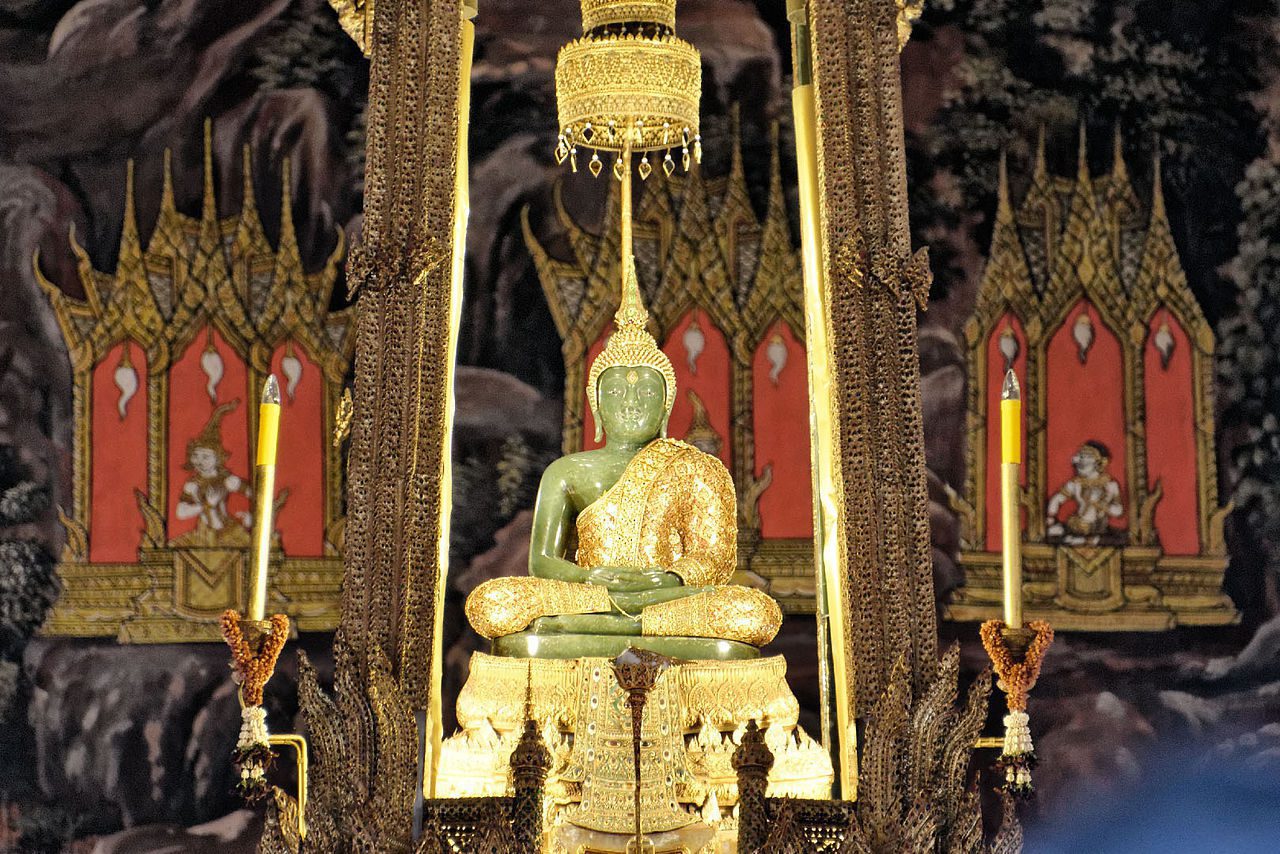
Temple of the Emerald Buddha: Thailand’s Sacred Jewel

rec-dev.com – The Temple of the Emerald Buddha, known locally as Wat Phra Kaew, is one of Thailand’s most revered and iconic landmarks. Nestled within the historic grounds of the Grand Palace in Bangkok, this temple is a significant spiritual site and a masterpiece of Thai religious art and architecture.

Historical Background

The origins of the Temple of the Emerald Buddha date back to 1782 when King Rama I established Bangkok as the capital of Siam and built the Grand Palace complex. The temple was constructed to house the Emerald Buddha, a highly venerated image that holds immense historical and religious significance. The Emerald Buddha itself is a small but magnificent statue carved from a single block of jade, and its origins are shrouded in mystery, with legends tracing its history across various regions of Southeast Asia.

Architectural Splendor

The Temple of the Emerald Buddha is a stunning example of traditional Thai architecture. The temple complex is adorned with intricate carvings, vibrant murals, and gleaming gold leaf decorations. The main building, known as the Ubosot, is where the Emerald Buddha is enshrined. It features a multi-tiered roof with ornate finials and is surrounded by beautifully decorated galleries. The temple also includes several other structures, such as the Phra Mondop, a library that houses sacred Buddhist scriptures.

Spiritual Significance

The Emerald Buddha is considered the palladium of Thailand, symbolizing the nation’s prosperity and protection. The statue is clothed in seasonal costumes, which are changed thrice a year by the King or a designated royal representative, marking the change of seasons. This ritual underscores the close ties between the Thai monarchy and Buddhism, as well as the temple’s role as a spiritual heart of the nation.

Cultural Impact

The Temple of the Emerald Buddha is not only a religious site but also a cultural treasure. It attracts millions of visitors annually, who come to admire its architectural beauty and experience its serene spiritual atmosphere. The temple plays a crucial role in various cultural and religious ceremonies, including royal coronations and important state functions.

Conclusion

The Temple of the Emerald Buddha stands as a beacon of Thailand’s rich cultural and religious heritage. Its profound spiritual significance, coupled with its architectural grandeur, makes it a must-visit destination for those seeking to understand the essence of Thai culture and spirituality.
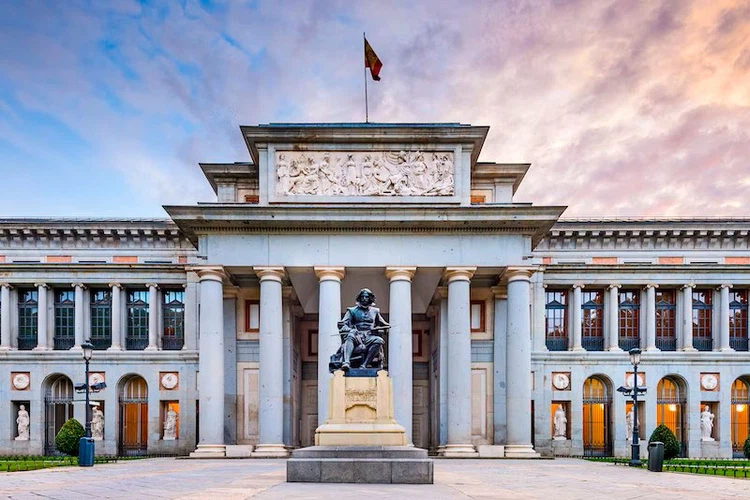
Spain’s Artistic Jewel: Discovering The Prado Museum

rec-dev.com – The Prado Museum, located in Madrid, Spain, is one of the most prestigious art museums in the world. Renowned for its extensive collection of European art, the museum features masterpieces from the 12th to the early 20th century. It serves as a vital cultural institution, drawing art enthusiasts and historians alike to explore its rich offerings.

A Brief History

The Prado Museum was established in 1819, originally conceived as a venue for the royal collection of paintings and sculptures. Designed by the architect Juan de Villanueva, the building itself is a neoclassical masterpiece. Over the years, the museum has expanded its collection to include works from a wide range of European artists, solidifying its reputation as a premier art destination.

The Collections

The Prado Museum boasts a collection of over 8,000 paintings and 700 sculptures, with a strong emphasis on Spanish art. It houses the world’s finest collection of Spanish paintings, featuring works by masters such as Francisco Goya, Diego Velázquez, and El Greco. Additionally, the museum offers an impressive array of Italian and Flemish masterpieces.

Notable Exhibits

  1. Las Meninas by Diego Velázquez: Perhaps the most famous painting in the Prado, this enigmatic masterpiece offers a complex play of perspective and reality, captivating viewers with its depth and intrigue.
  2. The Third of May 1808 by Francisco Goya: This powerful painting captures the brutality of war and human suffering, marking a pivotal moment in the history of Spanish art.
  3. The Garden of Earthly Delights by Hieronymus Bosch: A triptych that combines fantastical imagery with moral lessons, Bosch’s work is a highlight of the museum’s collection.

The Museum Experience

Visitors to the Prado Museum can expect an immersive experience, with its carefully curated galleries designed to enhance the appreciation of each artwork. The museum also hosts temporary exhibitions and educational programs, catering to a diverse audience from casual visitors to seasoned art scholars.

Challenges and Innovations

While the Prado Museum faces challenges common to major cultural institutions, such as maintaining its vast collection and expanding public access, it continues to embrace innovation. Recent efforts include digitalization of the collection, offering online resources for global audiences, and initiatives to engage younger generations with interactive and educational content.

Conclusion

The Prado Museum stands as a testament to the enduring power of art to inspire and educate. Its world-class collection offers a profound insight into the evolution of European art, making it an essential destination for anyone interested in the artistic heritage of Spain and beyond. Whether you are drawn by the allure of Velázquez’s enigmatic works or Goya’s poignant portrayals, a visit to the Prado promises a journey through the rich tapestry of art history.