Discovering the Charm of Curitiba

rec-dev.com – Curitiba, the capital of the state of Paraná in southern Brazil, is a city renowned for its innovative urban planning, lush green spaces, and vibrant cultural scene. Often celebrated as a model of sustainability and efficiency, Curitiba offers a unique blend of modernity and tradition, making it an intriguing destination for travelers and a wonderful place to live for its residents.

Urban Planning and Sustainability

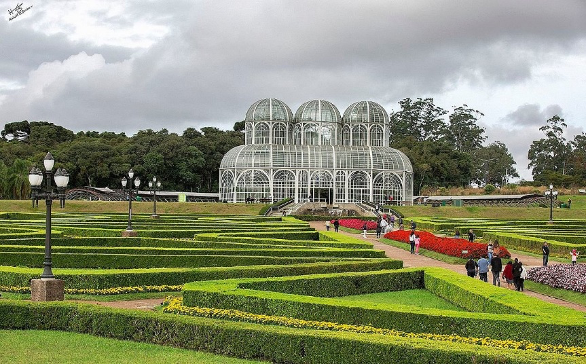
Curitiba is internationally recognized for its pioneering urban planning strategies. The city’s innovative public transportation system, which includes an efficient network of bus rapid transit (BRT) lines, has set a precedent for sustainable urban mobility worldwide. Curitiba’s commitment to green spaces is evident in its numerous parks and gardens, such as the beautiful Jardim Botânico, which features a striking glasshouse inspired by the Crystal Palace in London.

Cultural and Historical Attractions

Curitiba boasts a rich cultural heritage, with a variety of museums, theaters, and historical sites. Some notable attractions include:

  • Oscar Niemeyer Museum: This iconic museum, designed by the celebrated architect Oscar Niemeyer, showcases a vast collection of contemporary art and architectural exhibits.
  • Historic Center: The Largo da Ordem area is home to some of Curitiba’s oldest buildings, charming cobblestone streets, and vibrant street markets where visitors can explore local crafts and cuisine.
  • Opera de Arame: This unique theater, constructed with steel and glass, offers a stunning venue for concerts and performances, nestled in the lush surroundings of the Pedreira Paulo Leminski Park.

Green Spaces and Nature

Curitiba’s commitment to sustainability is reflected in its numerous parks and natural areas. The city’s residents enjoy access to beautiful green spaces, such as:

  • Barigui Park: One of Curitiba’s largest parks, offering trails, lakes, and recreational areas, perfect for jogging, biking, or simply relaxing in nature.
  • Tanguá Park: This picturesque park features waterfalls, gardens, and lookout points with panoramic views of the city and surrounding landscapes.

Culinary Scene

Curitiba’s culinary offerings are diverse and flavorful, reflecting the city’s multicultural influences. From traditional Brazilian dishes to international cuisine, visitors can savor a wide range of culinary delights. The city’s vibrant food markets and restaurants offer everything from local specialties like barreado (a slow-cooked meat dish) to gourmet dining experiences.

Conclusion

Curitiba stands out as a city that blends innovation with tradition, offering a high quality of life and a unique travel experience. With its commitment to sustainability, rich cultural scene, and beautiful natural surroundings, Curitiba is a testament to the potential of thoughtful urban development and community-focused living. Whether you’re exploring its parks, enjoying its cultural attractions, or indulging in its culinary delights, Curitiba is a city that promises to captivate and inspire.
Spain’s Artistic Jewel: Discovering The Prado Museum

rec-dev.com – The Prado Museum, located in Madrid, Spain, is one of the most prestigious art museums in the world. Renowned for its extensive collection of European art, the museum features masterpieces from the 12th to the early 20th century. It serves as a vital cultural institution, drawing art enthusiasts and historians alike to explore its rich offerings.

A Brief History

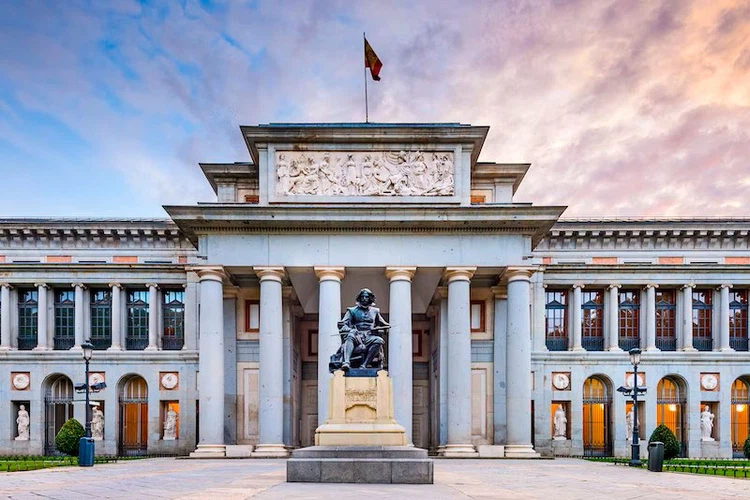
The Prado Museum was established in 1819, originally conceived as a venue for the royal collection of paintings and sculptures. Designed by the architect Juan de Villanueva, the building itself is a neoclassical masterpiece. Over the years, the museum has expanded its collection to include works from a wide range of European artists, solidifying its reputation as a premier art destination.

The Collections

The Prado Museum boasts a collection of over 8,000 paintings and 700 sculptures, with a strong emphasis on Spanish art. It houses the world’s finest collection of Spanish paintings, featuring works by masters such as Francisco Goya, Diego Velázquez, and El Greco. Additionally, the museum offers an impressive array of Italian and Flemish masterpieces.

Notable Exhibits

  1. Las Meninas by Diego Velázquez: Perhaps the most famous painting in the Prado, this enigmatic masterpiece offers a complex play of perspective and reality, captivating viewers with its depth and intrigue.
  2. The Third of May 1808 by Francisco Goya: This powerful painting captures the brutality of war and human suffering, marking a pivotal moment in the history of Spanish art.
  3. The Garden of Earthly Delights by Hieronymus Bosch: A triptych that combines fantastical imagery with moral lessons, Bosch’s work is a highlight of the museum’s collection.

The Museum Experience

Visitors to the Prado Museum can expect an immersive experience, with its carefully curated galleries designed to enhance the appreciation of each artwork. The museum also hosts temporary exhibitions and educational programs, catering to a diverse audience from casual visitors to seasoned art scholars.

Challenges and Innovations

While the Prado Museum faces challenges common to major cultural institutions, such as maintaining its vast collection and expanding public access, it continues to embrace innovation. Recent efforts include digitalization of the collection, offering online resources for global audiences, and initiatives to engage younger generations with interactive and educational content.

Conclusion

The Prado Museum stands as a testament to the enduring power of art to inspire and educate. Its world-class collection offers a profound insight into the evolution of European art, making it an essential destination for anyone interested in the artistic heritage of Spain and beyond. Whether you are drawn by the allure of Velázquez’s enigmatic works or Goya’s poignant portrayals, a visit to the Prado promises a journey through the rich tapestry of art history.