The Future of Venezuela’s Oil Industry: Innovations & Investments

rec-dev.com – Venezuela, with the world’s largest proven oil reserves, has long been a key player in the global energy market. However, the country’s oil industry has faced numerous challenges in recent years, including economic sanctions, political instability, and technological lag. Despite these hurdles, there are signs of recovery and innovation on the horizon, indicating a promising future for Venezuela’s oil sector.

Technological Innovations

One of the most significant developments in Venezuela’s oil industry is the adoption of advanced technologies. The government and private sector are increasingly investing in cutting-edge solutions to improve efficiency and output. Key innovations include:

  1. Enhanced Oil Recovery (EOR): Techniques such as steam injection and chemical flooding are being used to extract more oil from existing wells, significantly increasing production.
  2. Digitalization: The integration of digital platforms and IoT devices is revolutionizing the industry by providing real-time data and optimizing operations.
  3. Renewable Energy Integration: There is a growing emphasis on using renewable energy sources, such as solar and wind, to power oil extraction and processing facilities, reducing costs and environmental impact.

Foreign Investments and Partnerships

To revitalize its oil industry, Venezuela has been actively seeking foreign investments and forming strategic partnerships. These efforts have led to several key developments:

  1. Joint Ventures with International Companies: Venezuela has entered into joint ventures with major oil companies from Russia, China, and India. These partnerships bring in much-needed capital, expertise, and technology.
  2. Sanctions Relief and Renegotiations: There have been discussions and negotiations with the United States and the European Union to ease sanctions. This could potentially open up new avenues for investment and trade.
  3. Diversification of Markets: Venezuela is expanding its market reach beyond traditional buyers, forging new trade relationships with countries in Asia and Africa.

Challenges and Opportunities

While the future of Venezuela’s oil industry looks promising, there are still significant challenges to overcome. Political instability, economic sanctions, and environmental concerns remain major obstacles. However, the industry’s focus on innovation, foreign investment, and market diversification presents a path forward.

Conclusion

The future of Venezuela’s oil industry is poised for a turnaround, driven by technological innovations, foreign investments, and strategic partnerships. Despite the challenges, the country’s vast oil reserves and strategic initiatives offer a glimmer of hope for a revitalized and prosperous oil sector. As Venezuela continues to navigate its way through these changes, the global energy market will undoubtedly be watching closely.
Weaving Heritage into Modernity: Cambodia’s Textile Industry

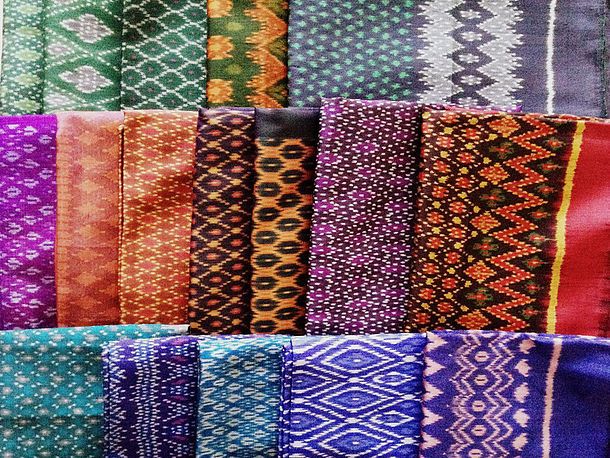
rec-dev.com – Cambodia, a country with a rich cultural tapestry, has long been celebrated for its intricate textile craftsmanship. From the vibrant silks of the Royal Court to the traditional ikat weaving of the rural villages, textiles have been an integral part of Cambodian heritage and identity. In recent years, the Kingdom has successfully woven its traditional textile practices into the fabric of modern industry, creating a unique blend of heritage and innovation. This article explores how Cambodia’s textile industry is not only preserving the country’s cultural legacy but also carving out a significant niche in the global market.

The Historical Roots of Cambodian Textiles

The story of Cambodian textiles is as old as the civilization itself. Ancient Khmer art and architecture, such as those found in the temples of Angkor, provide evidence of the sophisticated textile techniques practiced by the Khmer Empire. These early textiles were not just functional; they were also imbued with spiritual significance, often used in ceremonies and as offerings to the gods.

Traditional Techniques and Designs

Cambodian textiles are renowned for their intricate designs and vibrant colors. Traditional techniques such as ikat weaving, where the threads are tie-dyed before weaving, and the use of the hol (foot-treadle loom) are still practiced today. The most famous of these traditional textiles is the Khmer silk, characterized by its softness and lustrous sheen. Another notable mention is the Krama, a checkered scarf that has become an iconic symbol of Cambodian identity.

The Revival of Cambodia’s Textile Industry

The Cambodian textile industry faced significant challenges in the latter half of the 20th century due to the country’s turbulent political history. However, in recent years, there has been a remarkable revival. This resurgence can be attributed to the efforts of artisans, NGOs, and the government to preserve and promote traditional weaving techniques. Initiatives aimed at providing training and fair wages to weavers have played a crucial role in this revival.

Weaving Heritage into Modernity

Today, Cambodia’s textile industry is a vibrant sector that seamlessly blends tradition with modernity. Contemporary designers are incorporating traditional motifs and techniques into their work, creating products that resonate with both local and international audiences. This fusion of old and new has not only helped to preserve the country’s cultural heritage but has also positioned Cambodia as a key player in the global textile market.

The Role of Sustainability and Ethical Practices

As the industry grows, there is an increasing emphasis on sustainability and ethical practices. Many brands are focusing on using organic materials and ensuring fair labor conditions for their artisans. This commitment to sustainability not only aligns with global trends but also ensures the long-term viability of Cambodia’s textile industry.

Conclusion

Cambodia’s textile industry stands as a testament to the country’s resilience and creativity. By weaving its rich heritage into the fabric of modernity, Cambodia has not only preserved its cultural legacy but has also created a dynamic sector that contributes significantly to its economy. As the industry continues to evolve, it remains a symbol of Cambodia’s enduring spirit and its ability to transform tradition into a force for progress.