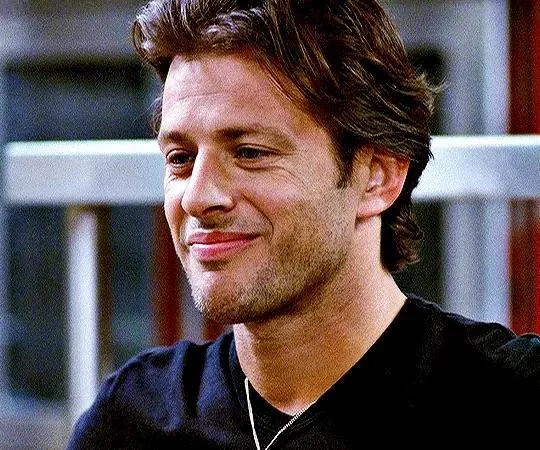
rec-dev.com – Costas Mandylor has carved a niche for himself in Hollywood, primarily known for his intense roles in action films and, most notably, the “Saw” horror franchise. While many recognize him for his portrayal of Detective Mark Hoffman, Mandylor’s career encompasses a diverse range of projects, showcasing his versatility as an actor. His journey from professional soccer to the world of entertainment is a testament to his adaptability and dedication to his craft.
Early Life and Athletic Pursuits
Costas Mandylor was born in Melbourne, Victoria, Australia, on September 3, 1965, to Greek immigrant parents. Growing up in a vibrant multicultural environment, he developed a passion for soccer, a sport he pursued professionally before turning to acting. He played for various teams in Australia and even considered a career in Europe. This background in athletics instilled in him a strong work ethic and a physical presence that would later serve him well in action-oriented roles.
However, a leg injury ultimately led him to reconsider his career path. This pivotal moment opened the door to his exploration of acting, a field where his natural charisma and intensity could find a new outlet.
Transition to Acting and Early Roles
Mandylor relocated to Los Angeles to pursue his acting ambitions. He quickly landed roles in television series like “Days of Our Lives” and “Picket Fences,” gaining valuable experience and building his resume. His early work often showcased his striking looks and ability to portray both charming and brooding characters.
He also began to appear in feature films, taking on supporting roles in projects like “Mobsters” (1991) and “Virtuosity” (1995), alongside Denzel Washington and Russell Crowe. These early roles helped him establish a foothold in Hollywood and paved the way for more prominent parts.
Breakthrough with “Saw”
Mandylor’s career reached a new level of recognition with his casting as Detective Mark Hoffman in the “Saw” film series. He first appeared in “Saw III” (2006) and subsequently became a central character in the following installments, including “Saw IV” (2007), “Saw V” (2008), “Saw VI” (2009), and “Saw 3D” (2010).
His portrayal of Hoffman, a complex and morally ambiguous detective who becomes entangled in Jigsaw’s deadly games, resonated with audiences. Mandylor brought a chilling intensity to the role, effectively conveying Hoffman’s internal struggles and descent into darkness. The “Saw” franchise’s immense popularity exposed him to a wider audience and cemented his status as a recognizable face in the horror/thriller genre.
Beyond “Saw”: Action and Other Genres
While his role in “Saw” is arguably his most well-known, Mandylor has continued to work steadily in a variety of projects. He has frequently appeared in action films, showcasing his physicality and ability to handle demanding stunt work.
He has also ventured into other genres, demonstrating his range as an actor. He has appeared in independent films, television movies, and guest roles on various television series. This diverse body of work highlights his commitment to his craft and his desire to explore different types of characters.
A Consistent Presence in Hollywood
Costas Mandylor has established himself as a consistent presence in Hollywood, maintaining a steady career for several decades. He is respected for his professionalism, his dedication to his roles, and his ability to bring intensity and depth to his performances.
From his early days as a professional soccer player to his current status as a recognizable actor, Mandylor’s journey is a testament to his adaptability and perseverance. While he is often associated with the “Saw” franchise, his diverse filmography demonstrates his versatility and his commitment to the art of acting. He continues to work in the industry, further solidifying his place as a respected and recognizable figure in Hollywood.